
Pests
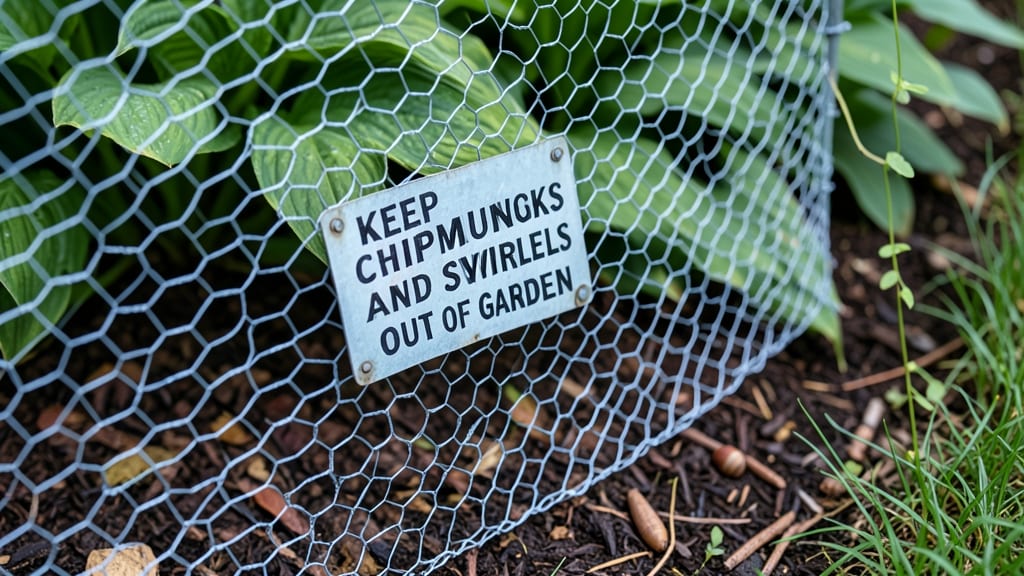
How to keep chipmunks and squirrels out of your garden without turning it into a wildlife warzone—your freshest veggies deserve better. 🌱 I’ve lost count of the times I’ve found half-eaten tomatoes and dug-up carrots—until I discovered these humane barriers that actually work without harming wildlife.
The key is combining physical protection (like hardware cloth buried 12 inches deep) with natural deterrents (predator urine or cayenne pepper spray). Most gardeners overlook the simplest fixes—securing trash cans, removing fallen fruit, and trimming branches that invite squirrels. These small steps cut off their easy meals.
Within weeks, you’ll see fewer frantic digging holes and more of your harvest staying where it belongs. The right setup keeps them out without traps or cruelty, and your plants will thrive like they’re in a protected paradise.
Works for raised beds, in-ground plots, and even container gardens. Let’s get those pests out for good—without guilt or gimmicks.
📚 In This Guide
- What you need
- Instructions
- Tips and common mistakes
- Wrapping up and next steps
What you need
- ● Hardware cloth or wire mesh: 1/4-inch or smaller mesh (at least 4 feet tall for vertical barriers, 2 feet for ground-level protection). Quantity: Enough to cover vulnerable areas (e.g., 50 sq. ft. for a small garden bed).
- ● Stakes or posts: Galvanized or treated wood (1-inch diameter, 18–24 inches long). Quantity: 1 stake every 2–3 feet along the barrier perimeter.
- ● Heavy-duty zip ties or wire: For securing mesh to stakes/posts.
- ● Landscape fabric: Non-woven, 3–4 feet wide (to block burrowing under barriers). Quantity: Enough to line trenches or ground-level edges.
- ○ Garden hose or spray nozzle: For wetting down barriers (optional but effective for deterring climbing).
- ● Pruners or shears: To trim plants or vines that could serve as squirrel highways.
- ● Motion-activated sprinklers: Adjustable spray range (e.g., Orbit Enforcer).
- ● Capsaicin spray (pepper-based): Non-toxic, squirrel-repelling formula (apply to mesh or ground).
- ● Decoy predators: Fake owls or snakes (rotate placement weekly).
- ● Compost or mulch: To create a 3-inch-deep trench around garden edges (squirrels hate digging!).
Step-by-Step instructions for creating humane wildlife barriers
Here’s my foolproof method for keeping chipmunks and squirrels out of your garden without harming them.
🪴 Step 1: Identify Problem Areas and Entry Points
First, walk your garden and spot where these critters are getting in. Look for burrows near foundations, gaps in fences, or low-hanging tree branches they use as bridges. Chipmunks dig tunnels 2-3 inches wide, while squirrels climb or squeeze through holes as small as 2 inches. Mark these spots with flags or stakes so you know exactly where to focus your barriers.
Pay attention to their favorite snack spots too—maturing vegetables, newly planted seeds, and fruit trees are prime targets. If you see tiny claw marks on stems or scattered seed shells, that’s your clue they’ve been raiding. I always check after sunset with a flashlight; that’s when they’re most active.
🌱 Step 2: Install Physical Barriers Around Key Zones
For raised beds and containers, wrap the edges with hardware cloth (1/4-inch mesh) buried 6 inches deep around the perimeter. This blocks both digging and climbing. For in-ground plantings, create a trench 12 inches wide and 1 foot deep around the garden, then line it with the same hardware cloth before backfilling with soil. The key is making the barrier deeper than their digging depth.
If squirrels are jumping from trees, install a 3-foot tall fence made of the same mesh, slanting outward at a 45-degree angle. This prevents them from climbing or bridging over. I’ve seen them try to scale straight fences—always choose angled designs. For burrow-prone areas, seal holes with wire mesh or steel wool packed tightly into the entrance.
💧 Step 3: Use Natural Deterrents Strategically
Plant strongly scented herbs like mint, lavender, or rosemary around the garden’s edge—their fragrance masks the smells that attract chipmunks and squirrels. I also sprinkle coarse sand or diatomaceous earth (food-grade only) along fence lines and entry points. The gritty texture irritates their tiny paws, making them think twice about crossing. Reapply after rain, as it loses effectiveness when wet.
Motion-activated sprinklers are another game-changer. Set them to spray for 5-10 seconds every time movement is detected. The sudden water startles them without harm, and they’ll avoid the area after a few encounters. Place them near high-traffic zones, like seedling trays or compost piles. I’ve seen squirrels give up entirely after a week of these surprises.
✂️ Step 4: Maintain and Monitor for Gaps
Check your barriers weekly, especially after heavy rain or wind. Hardware cloth can sag, and fences may bend. Digging animals will exploit even a 1-inch gap, so patch any tears immediately with wire or additional mesh. I keep a roll of hardware cloth and zip ties in my shed for quick repairs—trust me, you’ll need them.
Rotate deterrents seasonally. What works in summer (like strong herbs) may fade in winter, so swap in reflective tape or old CDs hung from strings to create flashing light patterns. These confuse their spatial memory and make them think the area is unsafe. Combine at least two methods—physical barriers plus deterrents—for the best results. Consistency is key; these critters are smart and will test weak spots.
☀️ Step 5: Secure Food Sources to Eliminate Incentives
Remove all easy meals from your yard. Store birdseed in metal containers with tight lids, and pick up fallen fruit or vegetables immediately. If you have compost, use a sealed bin with a locking lid—chipmunks love digging through it. Even a small pile of discarded produce can attract them, so keep your trash cans locked and clean.
If you’re growing crops they adore (like corn, beans, or sunflowers), consider growing them in cages or wire mesh tunnels until harvest. I’ve had success with small hoop houses draped in lightweight netting for early plantings. It’s extra work upfront, but it pays off when your garden stays intact. The goal is to make your yard less appealing than the woods or neighbor’s yard—out of sight, out of mind for them.
Tips & tricks for effective wildlife barriers
These practical strategies will help you create a garden defense system that actually works—without harming the critters.
Layer Your Defenses: The key to long-term success is combining physical barriers with sensory deterrents. For example, pair your hardware cloth fence (Step 1) with motion-activated sprinklers (Step 2) at garden entry points. This creates a multi-sensory experience that confuses animals and makes your garden less appealing. I've found that squirrels learn to avoid areas where they experience both a physical barrier AND unexpected water bursts.
Material Matters for Physical Barriers: When installing your hardware cloth fence, use ¼-inch mesh as specified—this size stops chipmunks and squirrels while still allowing airflow. For metal collars around individual plants, repurpose tomato cages cut in half; they're sturdy, inexpensive, and easy to customize. The 2-inch depth when sinking these collars is critical—it prevents burrowing near the roots where damage occurs.
Repellent Application Strategy: When mixing your hot pepper repellent (Step 3), apply it to the top 6 inches of plants first—this is where animals investigate with their noses and paws. The capsaicin creates an immediate unpleasant sensation that teaches them to avoid your garden. For granular repellents, focus on the perimeter where animals enter, using the exact ¼ cup per 10 feet measurement to avoid harming beneficial insects while still creating an unpleasant taste.
Seasonal Adaptation: Your fall leaf management (Step 5) is crucial—chipmunks and squirrels cache nuts and seeds in leaves, which can sprout unwanted seedlings. Create a central leaf pile and remove it immediately rather than leaving it scattered. In winter, check your barriers after heavy rains when soil softens, as animals may discover new entry points when the ground is more accessible.
Pro Tips for Keep Chipmunks And Squirrels Out Of Garden
- These practical strategies will help you create a garden defense system that actually works—without harming the critt...
- Layer Your Defenses: The key to long-term success is combining physical barriers with sensory deterrents. For example...
- Material Matters for Physical Barriers: When installing your hardware cloth fence, use ¼-inch mesh as specified—this ...
Frequently asked questions
What’s the most effective humane way to keep chipmunks and squirrels away?
The best humane methods combine physical barriers (like hardware cloth or mesh) with deterrents such as spicy pepper sprays or motion-activated sprinklers. Start with a 3-foot-tall fence buried 6 inches deep—this blocks both climbing and digging. For stubborn critters, add repellent plants like daffodils or marigolds near entry points.
How long until I see results from these methods?
Results vary! If you use barriers (fences, mesh), you’ll see immediate changes—squirrels/chipmunks avoid blocked areas right away. Deterrents (sprays, noise) may take 1–2 weeks to show full effect, as critters need time to associate the garden with discomfort. Consistency is key—reapply sprays every few weeks or after rain.
Are there affordable alternatives to expensive fencing?
Try these budget-friendly swaps:
- DIY wire mesh ($10–$20 for 100 sq ft) – Bend it into a low wall around raised beds.
- Coffee grounds (free!) – Sprinkle near plants; the smell repels squirrels.
- Old CDs or pie tins ($5–$10) – Hang them to create noise deterrents that scare them off.
Will these methods harm plants or pets?
Most humane deterrents are pet-safe if used correctly. Avoid poisonous baits or extreme traps—opt for:
- Pet-friendly sprays (e.g., vinegar + water mix).
- Physical barriers (mesh, fences) that won’t harm roots or soil.
- Ultrasonic devices (check labels—some models are pet-safe).
What should I do if squirrels/chipmunks keep coming back?
Persistence is normal! If they return:
- Reinforce weak spots—check for gaps in fences or tunnels under doors.
- Rotate deterrents every 2–3 weeks to prevent them from getting used to one method.
- Remove food sources—clean up fallen fruit, birdseed, or pet food immediately.
- Try a decoy like fake owls (move them weekly to stay effective).
Wrapping up and next steps
Keeping chipmunks and squirrels out of your garden doesn’t have to be a battle—just a smart, humane strategy! 🌱 By combining physical barriers, natural deterrents, and consistent upkeep, you can protect your hard work without harming these busy little critters.
Start small, test what works best in your space, and soon your garden will thrive in peace.
Ready to reclaim your garden? Pick one or two methods from this guide today—your plants (and sanity!) will thank you. Happy gardening! 🌿