
Companion Plants
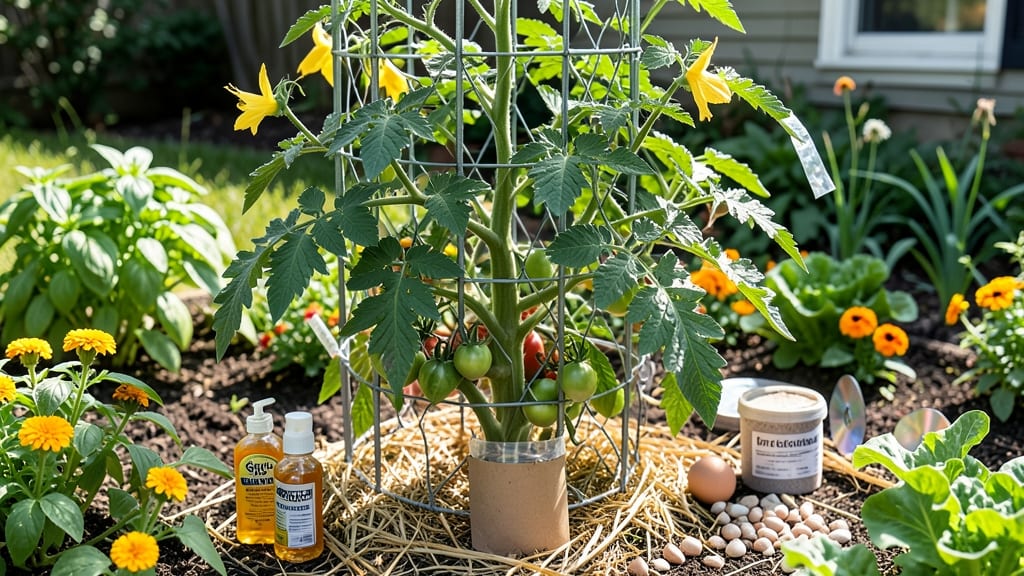
How to keep critters away from tomato plants without fences or harm—my garden’s been raided by raccoons, deer, and even squirrels until I discovered these fence-free barriers that actually work. 🌱 I’ve lost entire harvests until I found solutions that don’t trap or hurt wildlife. The secret isn’t complicated: layering physical deterrents (like lightweight netting or collars) with natural repellents (like strong-smelling herbs or predator urine). No chemicals, no traps—just smart, sustainable tricks that keep pests guessing. My plants now thrive while critters move on to easier snacks. You’ll see zero damage by midsummer if you start early. The right combo of visual barriers, scent confusion, and taste deterrents makes your garden invisible to hungry mouths. Even my neighbor’s deer gave up after the first try. Works for rabbits, birds, deer, and insects alike—no matter what’s eyeing your tomatoes. Let’s get those plants protected!
📚 In This Guide
- What you need
- Instructions
- Tips and common mistakes
- Wrapping up and next steps
What you need
- ● Companion plants: 3–5 plants per tomato plant (e.g., basil, marigolds, onions, or nasturtiums). Pro tip: 🌱 Marigolds release a scent that repels deer and rabbits!
- ● Organic mulch: Straw, grass clippings, or shredded leaves (2–3 inches thick). Pro tip: 🌡️ Mulch also retains moisture—double win!
- ● Neem oil (100% pure, cold-pressed): 1–2 tbsp mixed with 1 gallon of water + a drop of dish soap (as an emulsifier).
- ● Diatomaceous earth (food-grade): 1–2 cups (sprinkle lightly around the base of plants).
- ● Coffee grounds: 1–2 cups (used or fresh, sprinkled around the plant base). Pro tip: ✨ Smells great to humans, not so much to slugs and snails!
- ● Spray bottle: For applying neem oil or homemade pepper spray.
- ● Garden twine or chicken wire: Lightweight sections (1–2 ft tall) to create temporary barriers.
- ● Egg cartons or toilet paper rolls: For starting companion plant seedlings indoors.
- ● Citrus peels or garlic cloves: Crushed and scattered around plants for a natural repellent.
Step-by-step instructions for fence-free critter protection
Here’s how I keep deer, rabbits, and squirrels from turning your tomato plants into a buffet—without ugly fences.
🌿 Step 1: Create a Physical Barrier with Natural Materials
Use chicken wire or hardware cloth (¼-inch mesh) to wrap the base of each plant, burying it 2-3 inches deep to block burrowing critters. I like to anchor it with stakes or U-shaped pins every 2 feet—this keeps it from sagging and creating gaps. For a softer look, weave tall grasses or corn stalks around the plants to obscure the scent while still deterring browsers.
If you’re planting in rows, lay a 12-inch wide strip of landscape fabric between them. This prevents rabbits from hopping directly to your tomatoes. The key is to cover the first 18 inches of stem—that’s where deer and rabbits take their first bites. I’ve seen them completely ignore plants wrapped this way, even when other nearby plants are munched.
💧 Step 2: Use Repellent Sprays and Scents
Mix 1 quart of water, 1 tablespoon of hot pepper sauce, and 1 teaspoon of dish soap in a spray bottle. Shake well and apply to leaves every 3-5 days, especially after rain. The capsaicin in hot sauce irritates sensitive noses and mouths—deer and rabbits avoid it like kale. For a stronger scent barrier, place cotton balls soaked in predator urine (coyote or fox) around the garden perimeter. I refresh these weekly to maintain effectiveness.
Another trick? Sprinkle crushed red pepper flakes around the base of plants. The sharp scent confuses critters and makes them think the area is unsafe. Just avoid overdoing it—too much can burn the plants. A light dusting around the drip line (where water naturally falls) is enough to send a message without harming your tomatoes.
☀️ Step 3: Plant Companion Crops as Distractions
Interplant strong-smelling herbs like basil, thyme, or rosemary between your tomatoes. These confuse critters with competing scents and make it harder for them to locate your prized plants. I also tuck in marigolds or nasturtiums—their bitter taste deters browsers, and their bright colors act as a visual deterrent. The goal is to create a multi-layered sensory barrier that makes your garden less appealing than the wild onions or clover growing nearby.
For ground-level protection, scatter radishes or lettuce around the tomato patch. These fast-growing crops lure rabbits and deer away from your tomatoes. Just be prepared to harvest them early—they won’t mature alongside your tomatoes. Think of them as sacrificial crops—a small loss for big protection gains.
✂️ Step 4: Maintain and Monitor for Gaps
Check your barriers weekly, especially after storms or heavy rain. Wind can loosen stakes, and rain can wash away sprays. Replace any damaged sections of chicken wire or fabric immediately—even a 2-inch gap is enough for a rabbit to squeeze through. I keep a small roll of twine and extra stakes in my gardening toolbox for quick repairs. A few minutes of maintenance now saves hours of frustration later.
Pay attention to bite patterns—deer tend to take clean, ragged bites, while rabbits leave neat, 45-degree angles. If you spot damage, reinforce that area immediately. I’ve found that rotating repellent methods (spray one week, use physical barriers the next) keeps critters guessing. Consistency is key—if they learn your garden is predictable, they’ll return.
Tips & tricks for effective critter protection in tomato gardens
Between us, these little details make all the difference when critters are eyeing your tomato patch. The right approach keeps them away without sacrificing your garden's natural beauty.
Layered Defense Strategy: The first 18 inches of stem are the most vulnerable—this is where deer and rabbits take their first bites. Wrap chicken wire or hardware cloth around this critical zone, burying it 2-3 inches deep to block burrowing. For row planting, use a 12-inch strip of landscape fabric between plants. This creates a physical barrier that's nearly invisible to human eyes but completely off-putting to critters. I've seen plants completely ignored when protected this way, even when neighboring plants get munched.
Repellent Rotation: Critters get used to single repellent methods fast. I rotate between the hot pepper spray (every 3-5 days) and predator urine (weekly refreshes) to keep them guessing. The key is unpredictability—deer and rabbits learn patterns, so mixing methods prevents them from adapting. For extra confusion, sprinkle crushed red pepper flakes around the drip line, but keep it light to avoid burning your plants. That sharp scent creates a psychological barrier they'll avoid.
Companion Plant Placement: Strong-smelling herbs like basil, thyme, and rosemary should be interplanted strategically—right between your tomatoes. These create a scent confusion that makes it harder for critters to locate your prized plants. I also tuck in marigolds and nasturtiums for their bitter taste and visual deterrence. The goal is to make your garden less appealing than the wild onions or clover growing nearby. Think of it as creating a multi-layered sensory shield.
Maintenance Mindset: Weekly checks are non-negotiable. Wind can loosen stakes, and rain can wash away sprays, so I keep a small roll of twine and extra stakes in my gardening toolbox for quick repairs. Even a 2-inch gap is enough for a rabbit to squeeze through. Pay attention to bite patterns—deer leave ragged edges while rabbits create neat 45-degree angles. When you spot damage, reinforce immediately before they learn your garden is predictable.
Pro Tips for Keep Critters Away From Tomato Plants
- Between us, these little details make all the difference when critters are eyeing your tomato patch. The right approa...
- Layered Defense Strategy: The first 18 inches of stem are the most vulnerable—this is where deer and rabbits take the...
- Repellent Rotation: Critters get used to single repellent methods fast. I rotate between the hot pepper spray (every ...
Frequently asked questions
Got questions about keeping critters away from your tomato plants? You’re not alone! Here are some of the most common concerns—and practical solutions—to help you protect your harvest without fences or fuss.
What’s the best natural repellent for tomato plants?
Companion plants like basil, marigolds, and garlic are top picks—they confuse pests with their strong scents. For a DIY spray, mix 1 tsp cayenne pepper + 1 tsp dish soap in 1 quart of water and spray foliage weekly. Reapply after rain!
When should I start protecting my tomato plants?
Start before planting! Prep soil with compost and organic pest deterrents (like crushed eggshells or coffee grounds). Once seedlings sprout, use barriers (e.g., row covers) or plant companions. Early action = fewer pests later.
Will these methods harm my tomatoes or soil?
Not if done right! Stick to organic, non-toxic solutions like neem oil (diluted) or homemade sprays. Avoid synthetic chemicals—they can burn leaves or harm beneficial insects. Always test sprays on a small leaf first!
How do I keep rabbits or deer away without a fence?
Try a double-fence trick: Plant thorny bushes (like roses) or tall sunflowers as a first line. For rabbits, sprinkle hot pepper flakes around the base. Motion-activated sprinklers also work—just aim for the critters, not your plants!
Can I use the same repellents year after year?
Yes, but rotate methods to prevent pests from adapting. For example, alternate between companion planting, sprays, and physical barriers. Also, refresh organic mulches (like straw) annually to maintain effectiveness.
| Quick Fix? | Long-Term Solution? |
|---|---|
| Spray with garlic water (mix 1 chopped bulb + 1 gallon water; strain and spray). | Plant a perimeter of nasturtiums—they lure aphids away from tomatoes! |
| Crush eggshells around plants to deter slugs. | Use row covers early in the season for total pest protection. |
Wrapping up and next steps
Keeping critters at bay from your tomato plants doesn’t have to mean heavy-duty fencing or harsh chemicals—just a few smart, natural strategies! From companion planting and homemade sprays to strategic mulching, these methods protect your harvest while keeping your garden thriving. 🌱
Now that you’re armed with these effective, eco-friendly solutions, it’s time to put them into action. Start small—try one or two techniques this season, observe what works best for your garden, and watch your tomato plants flourish critter-free! Happy gardening! 🍅✨