
How To
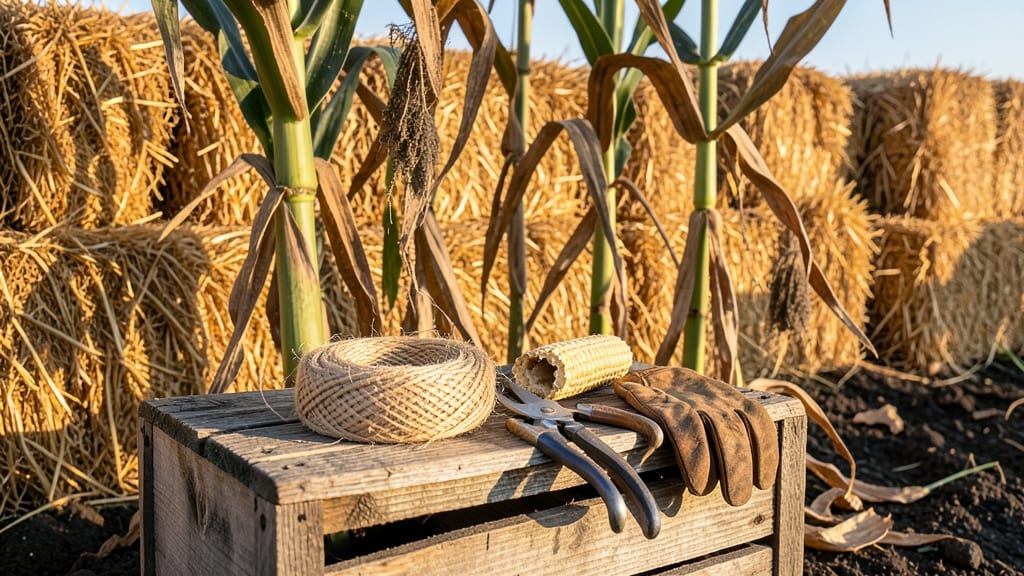
Dry corn stalks by bundling and hanging upside-down in a well-ventilated, dry area for 2-4 weeks, or use a dehydrator at 120°F for 6-8 hours. For fuel, split stalks into smaller pieces and dry in a covered outdoor space with airflow. Avoid moisture buildup to prevent mold or rot.
Drying corn stalks properly preserves their structural integrity while removing moisture—critical for both long-term storage and fuel preparation.
The key is maintaining consistent airflow, which accelerates evaporation without compromising the stalk's natural fibers. 🔥 For seed-saving purposes, I always prioritize gentle drying methods to prevent seed loss, while fuel-focused drying can be more aggressive by chopping stalks into smaller sections first.
This dual approach lets you tailor the process to your specific needs, whether you're preparing for winter heating or saving seeds for next season's harvest.
One common mistake is rushing the process—corn stalks need time to reach the 10-20% moisture threshold for safe storage. Using a dehydrator gives you precise control over temperature and humidity, while natural air-drying requires patience and ideal weather conditions.
I've found that combining both methods (starting with air-drying and finishing in a dehydrator) works best when time is limited but quality matters.
💡 In This Article
- Optimal Conditions for Corn Stalk Drying
- Preparing Corn Stalks for Storage or Fuel Use
Optimal conditions for corn stalk drying
The science behind drying corn stalks revolves around creating an environment that accelerates moisture evaporation while preventing microbial growth. Ideal conditions include temperatures between 50-70°F and relative humidity below 60%.
At these levels, water molecules evaporate efficiently from the stalk's porous structure, which contains natural cellulose fibers that absorb and release moisture. Higher humidity slows drying and encourages mold spores to thrive, while temperatures above 80°F can cause the stalks to crack or lose structural integrity.
Airflow is the most critical factor—corn stalks need continuous, gentle airflow to carry away moisture vapor. Natural air-drying works best in shaded outdoor spaces with 3-5 mph breezes, like a covered porch or barn with open sides.
Mechanical methods, such as dehydrators, force this airflow using fans at 135°F, which reduces drying time from weeks to hours. The trade-off? Higher temperatures can slightly degrade the stalk's lignin content, making them less ideal for seed-saving but perfect for fuel.
Moisture content is your best indicator of readiness. Fully dried corn stalks should have a moisture level below 20%—test by snapping a stalk: if it breaks with a crisp sound and feels light, it's ready.
For storage purposes, aim for 10-15% moisture to prevent mold during winter months. The key difference between air-drying and mechanical drying lies in control: natural methods depend on weather, while dehydrators offer precision but require electricity.
Pest prevention starts with proper drying. Corn stalks contain natural sugars that attract insects, so drying must happen quickly enough to deter beetles and weevils. Adding food-grade diatomaceous earth to storage containers acts as a natural repellent.
For fuel use, chopping stalks into 6-12 inch sections before drying increases surface area, speeding up moisture loss and making them easier to burn.
Seasonal timing matters too—spring and fall offer the best balance of moderate temperatures and low humidity. Summer's heat can dry stalks too quickly, causing brittleness, while winter's dampness slows the process.
I've found that starting outdoor drying in late summer (when nights cool down) gives stalks 6-8 weeks to dry naturally before winter storage begins.
What most people overlook is the stalk's natural curvature—hanging them upside down with the leafy ends up allows water to drain away from the core, preventing rot. This simple adjustment can cut drying time by 30% compared to horizontal placement.
For maximum efficiency, combine methods: air-dry stalks for 10-14 days to reduce initial moisture, then finish in a dehydrator for 4-6 hours at 120°F to ensure complete dryness. This hybrid approach works especially well in humid climates where natural drying alone would fail.