
Pests
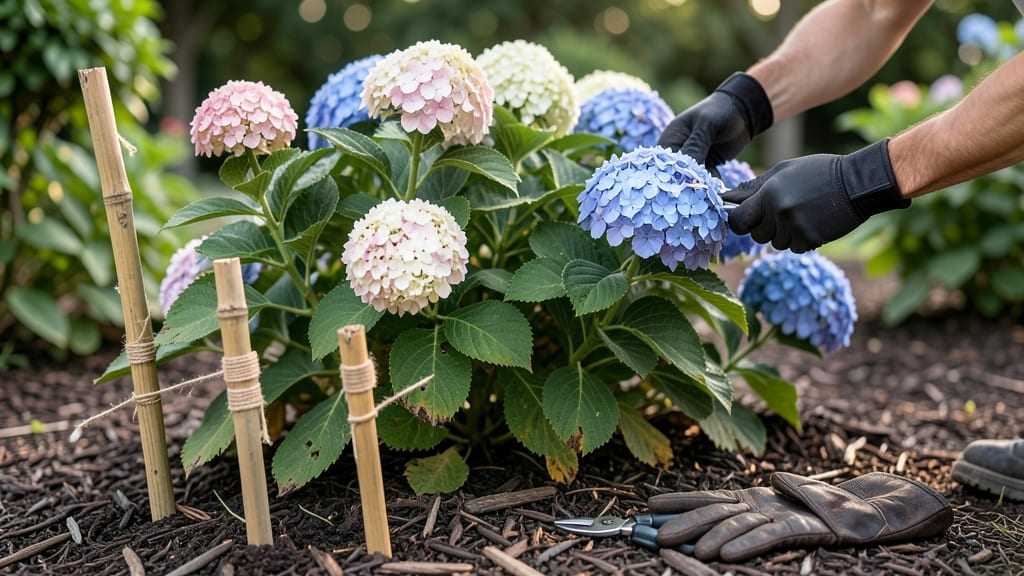
How to keep hydrangeas upright—that’s the question every gardener with heavy blooms struggles with. 🌿 I’ve wrestled with drooping hydrangeas for years—until I discovered the right staking tricks that keep them standing tall all season long. The secret isn’t just sticking in stakes; it’s about timing, technique, and understanding why they sag in the first place.
Most hydrangeas flop because their stems can’t support the weight of those lush blooms, especially after rain or wind. Weak stems, improper pruning, or even poor soil drainage make the problem worse.
But with the right support—like bamboo stakes, spiral ties, or even DIY wire cages—you can transform wobbly plants into sturdy, showy centerpieces. The best part? You don’t need fancy tools or a green thumb.
Once you’ve got the stakes in place, you’ll notice a difference within days. The blooms stay upright, the stems strengthen over time, and your hydrangeas become the neighborhood’s most admired (and envy-inducing) plants. And the best staking methods? They’re simple enough for beginners but effective enough for seasoned gardeners.
Whether you’re dealing with endless summer blooms, mophead varieties, or even panicle hydrangeas, these tricks work year after year. Let’s get those hydrangeas standing proud—no more flopping drama allowed.
📚 In This Guide
- What you need
- Instructions
- Tips and common mistakes
- Wrapping up and next steps
What you need
- ● Stakes: 3–5 wooden or bamboo stakes per hydrangea bush (4–6 feet tall, ½-inch diameter). Avoid metal stakes—they can heat up in the sun and damage stems.
- ● Soft plant ties: 3–5 garden ties per bush (made from jute, fabric, or plastic-coated—avoid wire or zip ties, which can cut into stems).
- ● Pruning shears: Small, sharp shears for trimming floppy stems or deadheading.
- ○ Sturdy gloves: Optional but helpful for handling prickly stems or thorny varieties.
- ● Copper or decorative stakes: For a polished look (ensure they’re at least 4 feet tall).
- ● Plant clips or spiral ties: Reusable alternatives to garden ties for easy adjustments.
- ● Mulch or pebbles: To stabilize the base of the stake and improve drainage.
- ● Watering can with a gentle spray nozzle: To avoid disturbing stakes while hydrating.
Step-by-step guide to keeping hydrangeas upright
Heavy blooms can turn lush hydrangeas into toppling giants—but these simple tricks will keep them sturdy and showstopping.
🪴 Step 1: Choose the Right Staking Materials
Skip flimsy twigs or wire—hydrangeas need support that matches their weight. I use 3-4 ft bamboo stakes (thicker than standard florist stakes) or 1-inch diameter wooden dowels for serious bloomers. For multiple stems, opt for a U-shaped metal plant cage instead. The key is rigidity: a stake should bend slightly when pushed but not snap under the plant's weight.
Drive stakes 4-6 inches deep into the soil at a 45-degree angle away from the plant. This creates a natural lean that distributes weight better than vertical stakes. For large varieties like 'Endless Summer,' I bury two stakes per plant—one on each side—for extra stability. The deeper the anchor, the less wobble you'll see when blooms swell with rain.
✂️ Step 2: Secure Stems Without Damaging Bark
Never tie stems directly to stakes with wire—it cuts into tender bark as the plant grows. Instead, use soft plant ties or strips of old T-shirt fabric (cotton stretches and won't strangle stems). I loop the tie around the stake first, then gently weave it around the main stem in a figure-eight pattern, leaving 1 inch of space between the tie and the stem to prevent constriction.
For multi-stemmed hydrangeas, tie each main branch individually. Watch for new growth pushing against ties—adjust or loosen every 2-3 weeks during the growing season. Pro tip: Avoid plastic zip ties or wire—they'll dig into stems as the plant thickens, causing permanent damage.
🌿 Step 3: Train Stems for Natural Support
Don't just tie and forget—hydrangeas respond to gentle guidance. After securing the main stem, I lightly weave side branches through the stake's angle or loop them around the tie. This encourages stems to grow along the support rather than fighting it. For sprawling varieties like 'Nikko Blue,' I use soft floral wire to gently bend heavy stems upward, distributing weight more evenly.
Here's the thing—hydrangeas grow faster than you think. Check ties weekly in spring and biweekly in summer to ensure they're not too tight. If you see leaves yellowing or stems withering above a tie, it's a sign the circulation's been cut off. Adjust immediately, and the plant will bounce back within days.
💧 Step 4: Water Strategically to Prevent Toppling
Heavy blooms = more weight, and more weight means stakes need help when soil gets soggy. Water at the base of the plant (not overhead) to keep roots anchored. I use a soaker hose for 10-15 minutes per plant during dry spells, ensuring moisture penetrates 6-8 inches deep—this prevents roots from loosening in the soil.
After rain, check stakes immediately. Saturated soil reduces friction, and a 6-inch stake can fail under a 10-pound bloom cluster. If you see leaning, gently push the plant back upright and re-tie the stems snugly. For containers, add 1-2 pounds of gravel to the pot's base to lower the center of gravity—this makes a huge difference in windy spots.
⏰ Step 5: Prune for Balance and Longevity
Over time, hydrangeas develop uneven growth patterns that throw off balance. In late winter or early spring, prune back 1/3 of the oldest stems to encourage new, sturdy growth. For large mophead varieties, I cut stems back to 2-3 buds from the base—this redirects energy to stronger, thicker stems that handle blooms better.
Remove any dead or crossing branches that create weak spots. You'll see the difference in 6-8 weeks when new growth emerges thicker and more upright. Avoid heavy pruning in fall—it stimulates tender new growth that won't harden off before winter, leaving stems vulnerable to frost damage.
Tips & tricks for perfect hydrangea support
Between us, I've seen hydrangeas go from showstopping to sad-sack in a single rainstorm. These are the tricks I wish I'd known years ago—because nobody tells you how much difference the right support makes.
Stake Placement Matters: When driving your 3-4 ft bamboo stakes at that 45-degree angle, imagine the stake forming a triangle with the plant stem. This creates a natural counterbalance that prevents the plant from leaning into the stake. For varieties like 'Endless Summer,' I actually draw a quick sketch on paper first to visualize where the second stake should go—it's worth the 30 seconds to avoid crooked growth patterns. The deeper you bury those stakes (up to 6 inches), the less they'll shift when blooms get heavy.
Tie Technique That Saves Stems: Here's what nobody tells you—the figure-eight pattern I use isn't just decoration. Start by looping the tie around the stake first, then cross it over the stem to create two loops. This distributes pressure evenly and prevents the tie from slipping down as the plant grows. I've ruined more stems than I care to admit by skipping this step and just wrapping the tie around the stem directly. The 1-inch gap between tie and stem is non-negotiable—it's the difference between healthy growth and strangled branches.
Seasonal Stake Check: I learned this the hard way after losing a prized 'Nikko Blue' to tight ties. Mark your calendar for weekly checks in spring and biweekly in summer—that's when new growth pushes hardest against restraints. Look for leaves that start yellowing at the tie line; that's your plant screaming for help. A quick adjustment with a soft tie can save the whole stem. For container hydrangeas, I even set a phone reminder because I forget how fast they grow in summer heat.
Rainy Day Rescue: After that 10-15 minute soaker hose session I mentioned, check your stakes immediately. Saturated soil turns your 6-inch stakes into toothpicks under 10-pound blooms. I keep a small bag of 1-2 pounds of gravel handy for containers—just add it to the base before heavy rains. For in-ground plants, I've even used U-shaped metal plant cages as emergency reinforcements during storm season. The cage wraps around the plant like a metal corset, distributing weight across multiple points instead of relying on a single stake.
Pro Tips for Keep Hydrangeas Upright
- Between us, I've seen hydrangeas go from showstopping to sad-sack in a single rainstorm.
- Stake Placement Matters: When driving your 3-4 ft bamboo stakes at that 45-degree angle, imagine the stake forming a triangle with the plant stem.
- Tie Technique That Saves Stems: Here's what nobody tells you—the figure-eight pattern I use isn't just decoration.
Frequently asked questions
Why do my hydrangeas keep flopping over even after staking?
Floppy hydrangeas often signal overgrowth or weak stems. Check for heavy blooms (like mophead varieties) that need extra support, or stems that are hollow or brittle due to age. Prune back leggy growth in early spring, and use multiple stakes (3–4 per plant) for heavy clusters. If the soil is soggy, improve drainage to prevent root rot weakening the plant.
When is the best time to stake hydrangeas—spring or fall?
Stake hydrangeas in early spring (before new growth starts) or late fall (after leaves drop but before hard frost). Avoid staking in summer heat, which can stress the plant. For newly planted hydrangeas, stake immediately to train stems upright. If staking in fall, use flexible stakes to avoid damaging dormant stems during winter winds.
Can I use bamboo stakes, or are there better alternatives?
Bamboo stakes work well for lightweight varieties like panicle hydrangeas, but for large mopheads, opt for heavy-duty metal or wooden stakes (3–4 feet tall). For a natural look, try tree branches or cattle panels (bent into a U-shape). Avoid thin plastic stakes—they bend under weight. Pro tip: Tie stems with soft plant ties (not wire) to prevent stem damage.
Do hydrangeas need extra watering to stay upright?
Yes! Underwatered hydrangeas develop weak stems that flop. Water deeply 1–2 times per week (more in extreme heat), ensuring soil stays moist but not soggy. Mulch around the base to retain moisture and reduce stem stress. If leaves wilt, it’s a sign to water immediately—hydrangeas hate drought and droop faster when thirsty.
What should I do if my hydrangea stems snap when I try to straighten them?
Snapped stems mean the plant is too weak to support itself. Prune the damaged stems just above a leaf node (where new growth can sprout). For severe cases, consider replacing the plant if it’s young or using a cage support (like a tomato cage) to distribute weight. Avoid forcing the stems upright—this can cause further breakage. Prevent future snaps by staking early and fertilizing with balanced 10-10-10 in spring.
Wrapping up and next steps
Keeping your hydrangeas upright is all about support, balance, and a little TLC—whether through staking, pruning, or smart planting.
With the right techniques, you’ll enjoy those lush blooms standing tall all season long! 🌸 Now that you’re armed with the best tricks, grab those stakes and get planting—your garden’s ready for a showstopper display.
Need more inspiration? Check out our guide on hydrangea care essentials next to keep those flowers thriving year after year!