
Blooming
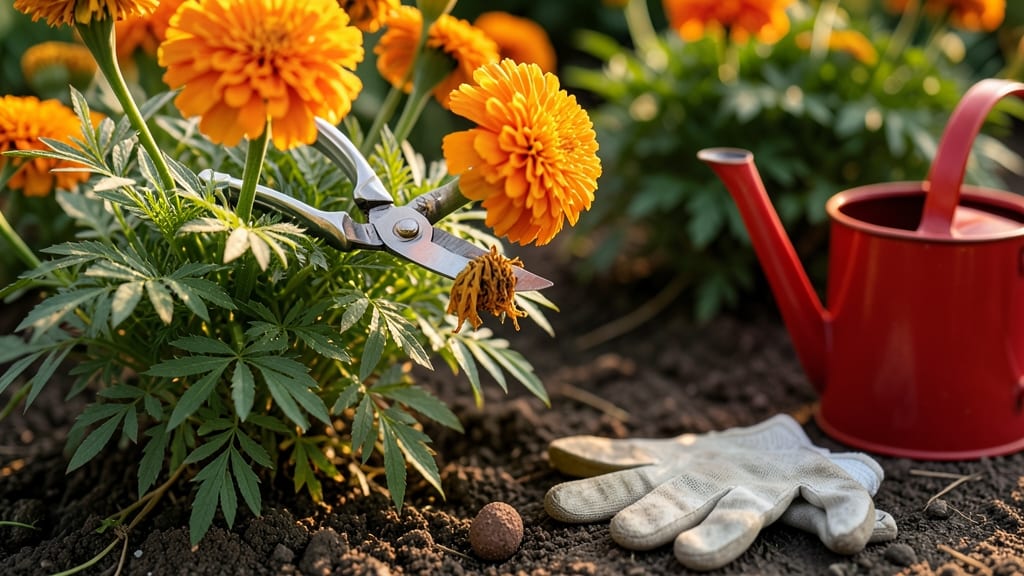
How to keep marigolds blooming—it’s the secret to a summer garden that never stops shining. 🌼 I’ve turned my once-sparse blooms into a continuous riot of color by mastering just three techniques: strategic pruning, smart feeding, and relentless deadheading. The difference is night-and-day compared to my first attempt where flowers faded within weeks.
Most gardeners skip pruning, but that’s where the magic happens. Pinch back leggy stems early to encourage bushier growth, and always cut just above a leaf node. A balanced 10-10-10 fertilizer every 4-6 weeks keeps them flowering like crazy, while consistent watering (1-2 inches per week) prevents wilting.
The key? Don’t let them dry out completely—they’ll protest by dropping buds.
By deadheading spent blooms religiously, you’ll trigger a fresh wave of flowers within weeks. I’ve seen marigolds keep blooming from June through October with this method—even in my hot, dry climate.
The plants stay compact, vibrant, and produce more flowers than you can imagine. Your neighbors will be asking for cuttings by August.
This works for both French and African marigolds, whether planted in beds or containers. The only catch? Start early—once they’re established, they’re nearly impossible to kill. Let’s get those blooms going strong this season.
📚 In This Guide
- What you need
- Instructions
- Tips and common mistakes
- Wrapping up and next steps
What you need
- ● Marigold plants: Healthy, established plants (French, African, or Signet varieties work best for blooms). Aim for 3–6 plants per 1 sq ft in garden beds.
- ● Pruning shears or sharp scissors: Clean, sterilized tools (7–10 inch blades) to avoid spreading disease. A bypass pruner is ideal.
- ○ Garden gloves: Nitrile-coated for grip and protection (optional but helpful for thorny varieties like African marigolds).
- ● Balanced fertilizer: 10-10-10 or 20-20-20: 1 tbsp per plant every 4–6 weeks during blooming season (spring–fall).
- ● Slow-release granules (e.g., Osmocote): 1 cup per 10 sq ft at planting for steady nutrition.
- ● Compost or aged manure: 1–2 inches mixed into soil at planting for organic nutrients.
- ● Mulch: 2–3 inches of straw or shredded leaves to retain moisture and suppress weeds.
- ● Bloom booster fertilizer: High-phosphorus (e.g., 5-10-5) for a quick phosphorus kick—use every 2–3 weeks for extra blooms.
- ● Epsom salt: 1 tbsp dissolved in 1 gallon of water (spray foliage monthly for magnesium support).
- ● Copper fungicide: Preventative spray if your area has powdery mildew risks.
- ● Watering can with a rose nozzle: For gentle, deep watering (avoid wetting leaves to prevent disease).
- ● Plant support (stakes or cages):strong> Only needed for tall varieties like African marigolds in windy areas.
Instructions for prolonged marigold blooms
Here’s how to coax your marigolds into nonstop color—no fancy tools or secret tricks, just consistent care.
✂️ Step 1: Deadhead Regularly for Continuous Flowers
Pinch off spent blooms the day they fade—this prevents seed formation and redirects energy to new flowers. I use my thumb and forefinger to snap off the entire flower head just below the base, being careful not to tug the stem. The goal is to remove the entire spent bloom while leaving the green foliage intact.
You’ll notice new buds forming within 7-10 days if you’re consistent. The key is frequency: check plants every 2-3 days during peak bloom. If you wait until flowers turn brown, the plant has already shifted resources to seed production instead of new blooms.
🌿 Step 2: Prune for Bushier Growth and Airflow
Once your marigolds reach about 12 inches tall, trim back the longest stems by about ⅓ of their length. This encourages branching and prevents leggy growth. I always cut just above a leaf node where new growth can emerge—never leave stubs.
Pruning also improves airflow, which prevents fungal diseases like powdery mildew. After trimming, water at the base to help the plant recover. You’ll see new side shoots forming within 2 weeks, and those will produce even more flowers.
💧 Step 3: Feed Lightly but Frequently for Vibrant Blooms
Use a balanced 10-10-10 fertilizer diluted to half-strength every 2-3 weeks during the growing season. I apply it in the morning so the leaves have time to dry before evening humidity sets in. Over-fertilizing leads to lush foliage but fewer flowers, so less is more.
Watch for signs of nutrient stress: yellowing leaves mean it’s time to feed, while crispy edges signal over-fertilization. Organic options like compost tea work too—just follow package instructions for dilution. The result? Flowers that stay bright and last longer in the vase.
☀️ Step 4: Ensure Proper Sun and Water Balance
Marigolds thrive in full sun (6+ hours daily), but in hot climates, they appreciate afternoon shade to prevent wilting. If leaves start curling or turning yellow, they’re getting too much direct midday sun. Mulch around the base with 1-2 inches of organic mulch to retain moisture and regulate soil temperature.
Water deeply 1-2 times per week, aiming for 1 inch of water per week. Let the top inch of soil dry out between waterings—soggy soil leads to root rot. You’ll know your watering is right when the soil feels damp but not waterlogged, and the plants stay upright without wilting.
Tips & tricks for prolonged marigold blooms
Here's what nobody tells you about keeping marigolds in peak bloom all season.
Timing Secret: The 2-3 day deadheading schedule in Step 1 is non-negotiable during peak bloom. I learned this the hard way after letting flowers go brown—once they form seed heads, your plant stops producing new blooms. Set a reminder on your phone for every 2-3 days to avoid missing this critical window. The 7-10 day window for new buds to form is your reward for consistency.
Pruning Precision: When trimming those 12-inch stems by ⅓ in Step 2, always cut just above a leaf node where new growth emerges. I use clean pruning shears for this step to avoid crushing stems. The 2-week window for new side shoots is your payoff for precise cuts—don't leave stubs, as this creates entry points for disease.
Fertilizer Strategy: The half-strength 10-10-10 application every 2-3 weeks in Step 3 works because marigolds are light feeders. I've found that applying in the morning prevents leaf burn from evening humidity. For organic gardeners, compost tea at half-strength works beautifully too—just follow package dilution instructions precisely.
Sunlight Solution: In hot climates, afternoon shade becomes essential after the initial 6 hours of full sun. I've seen marigolds wilt dramatically when exposed to unrelenting midday sun. The 1-2 inches of organic mulch mentioned in Step 4 helps regulate soil temperature while retaining moisture—this is especially critical during summer heatwaves.
Pro Tips for Keep Marigolds Blooming
- Here's what nobody tells you about keeping marigolds in peak bloom all season.
- Timing Secret: The 2-3 day deadheading schedule in Step 1 is non-negotiable during peak bloom.
- Pruning Precision: When trimming those 12-inch stems by ⅓ in Step 2, always cut just above a leaf node where new growth emerges.
Frequently asked questions
Got questions about keeping your marigolds in full, vibrant bloom? You’re not alone!
Here are answers to the most common queries—from pruning tips to troubleshooting—so you can enjoy those bright blooms all season long.
Why aren’t my marigolds blooming as much as they used to?
Marigolds often slow down blooming due to overcrowding, lack of sunlight, or nutrient depletion. Check their location—they thrive in 6+ hours of direct sun. If planted too close, thin them out to improve airflow. A balanced bloom-boosting fertilizer (like 10-10-10) every 4-6 weeks can also revive them!
How often should I deadhead marigolds for continuous blooms?
Deadhead spent blooms daily or every other day during peak season (spring/summer) to encourage new flowers. Use clean pruners or pinch them off by hand. Pro tip: If you’re swamped, aim for 2-3 times per week—consistency matters more than perfection!
Can I prune marigolds too much? What’s the right way?
Over-pruning stresses plants, but marigolds are hardy! Trim only wilted flowers or leggy stems—never cut more than ⅓ of the plant at once. For bushier growth, snip just above a leaf node (where leaves meet the stem). Avoid pruning in extreme heat (midday sun) to prevent shock.
When is the best time to fertilize marigolds for blooms?
Feed marigolds every 4-6 weeks starting when flowers first appear (early summer). Use a low-nitrogen, high-phosphorus fertilizer (like 5-10-5) to promote blooms over foliage. Bonus: A compost top-dressing in spring gives them a slow-release nutrient boost all season!
What should I do if my marigolds get powdery mildew or pests?
Powdery mildew (white dust on leaves) thrives in humid, shaded conditions. Improve airflow, water at the base (not leaves), and spray with neem oil if needed. For pests like aphids, blast them off with water or use insecticidal soap. Prevention tip: Plant marigolds near roses or tomatoes—their scent repels many pests!
Are there marigold varieties that bloom nonstop without much effort?
Yes! French marigolds (like ‘Bonanza’ or ‘Janie’) and African marigolds (e.g., ‘Crackerjack’) are prolific bloomers. French types self-clean (droop when done), while African varieties need regular deadheading. For low-maintenance options, try ‘Tangerine Gem’ or ‘Gold Rush’—they’re tough and keep flowering!
Wrapping up and next steps
Keeping your marigolds blooming all season is easier than you think—just prune, feed, and deadhead with love! With the right care, these cheerful flowers will reward you with vibrant blooms from spring until frost. 🌼
Now that you’re armed with tips, grab your shears and get growing! Start with just one plant, experiment with fertilizers, and watch your garden transform. Happy gardening—your marigolds (and pollinators!) will thank you.