
Pests
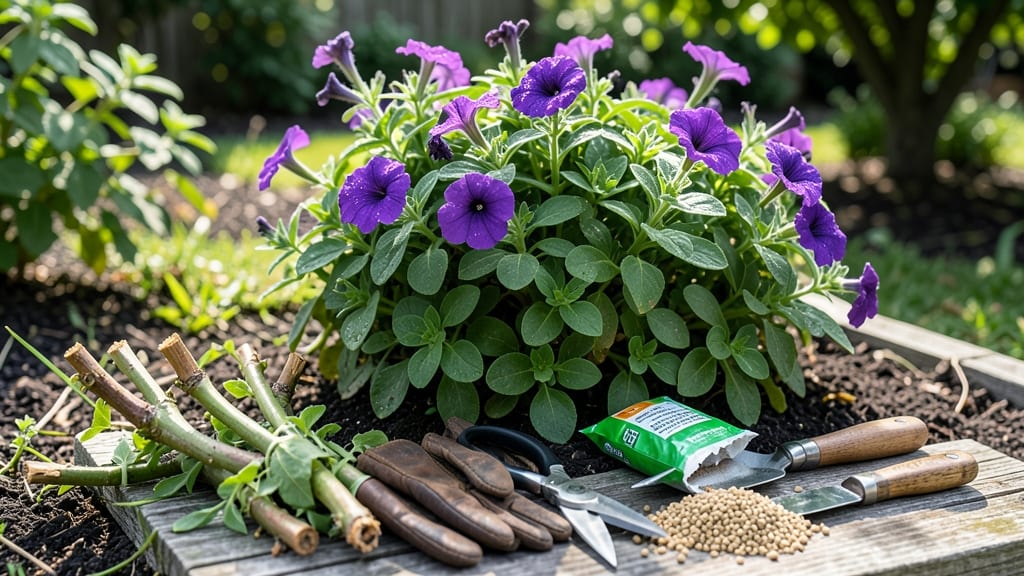
How to keep petunias bushy starts with a simple trick: pinch back early growth to turn leggy stems into compact, flower-packed bushes. 🌸 I learned the hard way—skipping this step gave me tall, sparse plants that barely bloomed. The secret? A little strategic pruning at the right time transforms weak growth into a lush, vibrant display. Start when plants are about 4-6 inches tall with at least 4-5 sets of leaves. Use clean pruners or just your fingers to pinch off the top set of leaves, just above where new leaves form. This forces energy into side branches, creating a fuller shape. Repeat every 3-4 weeks through summer to keep them blooming. You'll see new growth within 1-2 weeks, with more flowers and fewer bare stems. The plants stay compact, resist flopping, and produce 20-30% more blooms than unpinched varieties. It's the difference between a garden center pot and a showstopper border. Works for all petunia types—grandifloras, multifloras, and trailing varieties. Just adjust spacing and pinch frequency based on growth habit. Here's exactly how to do it without killing your plants!
📚 In This Guide
- What you need
- Instructions
- Tips and common mistakes
- Wrapping up and next steps
What you need
- ● Petunias: Healthy, established plants (preferably grown from seed or young transplants for easier shaping).
- ● Sharp pruning shears: Bypass pruners (4- to 6-inch blades) for clean cuts—avoid dull tools that crush stems!
- ● Gloves: A pair of gardening gloves (nitrile or leather) to protect your hands from thorns or rough stems.
- ● Watering can or hose with a gentle nozzle: For post-pruning hydration (1-2 gallons per plant, depending on size).
- ● Balanced fertilizer: A slow-release, 10-10-10 or 20-20-20 NPK fertilizer (1 tbsp per plant) to support regrowth.
- ○ Mulch (optional but helpful): Organic mulch (e.g., shredded bark or straw) to retain moisture and reduce stress.
- ● Plant growth regulator: A product like Paclobutrazol (follow label instructions) to encourage bushier growth in stubborn varieties.
- ● Plant support: Small stakes or cages (for trailing varieties like Petunia 'Wave') to guide growth if needed.
- ● Pruning spray: A 1:9 ratio of rubbing alcohol to water (spray on shears between cuts) to prevent disease spread.
- ● Garden journal: To track pinch dates, fertilizer applications, and growth progress!
- ● Timing: Pinch back petunias early—ideally when they’re 6-8 inches tall and have 4-6 sets of true leaves. Avoid pruning during extreme heat or cold.
- ● Healthy plants: Skip pruning if your petunias are stressed, wilted, or showing signs of disease (yellowing leaves, spots, or wilting).
- ● Sunlight access: Ensure your petunias get 6+ hours of direct sunlight daily—they’ll reward you with bushier growth when happy!
Step-by-step instructions for pruning petunias to encourage bushy growth
Here’s how I keep my petunias lush and overflowing with blooms—no fancy tools needed.
🌱 Step 1: Identify the Right Time to Pinch
Wait until your petunias have 4-6 sets of true leaves and are 6-8 inches tall—this is when they’re strong enough to handle pruning. I always check for healthy, vibrant growth (not leggy or pale) before touching them. Pinching too early stunts growth, while waiting too long means you’ll be cutting back spent flowers instead of shaping the plant.
This is the moment that matters: early spring or early summer, before the first major flush of blooms. If you start later, you’ll sacrifice the bushy structure you’re working toward. Use clean, sharp scissors or just your fingers—no need for pruning shears.
✂️ Step 2: Pinch Back the Main Stems
Locate the top set of leaves on each main stem and pinch just above a leaf node (that little bump where leaves grow). This encourages new branches to form below the pinch point. I like to make the cut at a 45-degree angle to reduce water pooling—this prevents rot at the wound site.
Don’t be shy—aim to remove about one-third of the plant’s height in the first pinch. You’ll see new side shoots emerge within 7-10 days. If your petunias are leggy, you might need to pinch back twice in the first season to get that compact shape.
☀️ Step 3: Deadhead and Prune Regularly
After the initial pinch, keep an eye out for spent blooms—they sap energy from new growth. Snip them off just above the next set of leaves (not at the base). I do this every 3-4 days during peak bloom season. The goal is to redirect energy from seed production to more flowers and bushier foliage.
Once your petunias hit 12-18 inches tall, give them a light trim to maintain shape. Focus on cutting back the longest stems to encourage even growth. Avoid over-pruning—never remove more than one-third of the plant’s foliage at once.
💧 Step 4: Fertilize and Water for Bushy Growth
After pruning, feed your petunias with a balanced, water-soluble fertilizer (like 10-10-10) every 2 weeks during the growing season. This supports the new growth you’ve encouraged. Water deeply at the base in the morning—1 inch per week—to avoid wetting the leaves, which can lead to disease.
Here’s the thing—petunias grow fastest when they’re well-hydrated but not soggy. You’ll know you’re doing it right when the soil feels damp but not muddy and the leaves stay firm and glossy. If they start wilting or yellowing, you’re either overwatering or underwatering.
🌿 Step 5: Monitor and Repeat as Needed
Check your petunias weekly for new growth. If stems start looking too long or sparse, pinch back again—just repeat the process from Step 2. By mid-summer, your petunias should be dense, full, and bursting with blooms. If they’re still leggy, they might need more sunlight (petunias thrive in 6+ hours of direct sun daily).
Real talk: If you see black spots or wilting, it’s often from overwatering or poor airflow. Space plants 12-18 inches apart to improve circulation. A little extra pruning now means big rewards later—your petunias will look like they’ve been professionally landscaped.
Tips & tricks for perfectly bushy petunias
Transforming leggy petunias into lush, compact plants takes patience—and a few strategic moves. Here's how to get the most out of your pinching routine without stressing your plants.
Timing is Everything: The 2-3 week window after transplanting is critical for establishing strong growth. I've learned this the hard way—waiting too long means you're playing catch-up with a plant that's already committed to vertical growth. Look for those first flower buds as your cue; they signal the plant is ready to redirect its energy into branching. If you're working with mature plants that are already leggy, you'll still see results, but it'll take more consistent pinching over a longer period.
Pinch with Purpose: When you're pinching at the 4th or 5th set of leaves, think of it as creating a "budding zone" for new growth. The key is to remove just above that leaf pair—this tells the plant where to focus its energy. I always use clean fingers (or sterilized pruners) and make a clean break rather than tearing. This minimizes damage and prevents disease from spreading between plants. Between us, I've ruined perfectly good plants by using dirty tools—don't make my mistake!
Monitor Growth Patterns: After your initial pinches, watch for new shoots emerging from those leaf axils within 7-10 days. These are your future branches, so give them space to grow to about 3-4 inches before pinching again. I've found that the healthiest shoots come from the middle section of the plant rather than the very bottom or top. Once you see these new stems, you'll notice how quickly your petunia's shape transforms from a single stalk to a bushy cluster.
Consistency Wins: Setting that 2-3 week reminder for maintenance pinches makes all the difference. Think of it like a haircut—regular trims keep your petunias looking their best. I've seen plants go from sparse and leggy to completely transformed in just 6 weeks with consistent care. The secret is to deadhead spent blooms right at the base—this isn't just about looks, it's about redirecting the plant's energy back into producing more flowers and foliage rather than seeding.
Pro Tips for Keep Petunias Bushy
- Transforming leggy petunias into lush, compact plants takes patience—and a few strategic moves. Here's how to get the...
- Timing is Everything: The 2-3 week window after transplanting is critical for establishing strong growth. I've learne...
- Pinch with Purpose: When you're pinching at the 4th or 5th set of leaves, think of it as creating a "budding zone" fo...
Frequently asked questions
Got questions about keeping your petunias lush and bushy? You’re not alone! Here are answers to the most common queries from gardeners just like you.
When is the best time to pinch back petunias for bushier growth?
Pinch back petunias early in their growth cycle—typically when they’re 4–6 inches tall and have 4–6 sets of leaves. This encourages branching and more flowers. Avoid pinching after they’ve already bloomed, as it won’t stimulate new growth. Pro tip: Do it on a dry morning to reduce stress on the plant!
How much should I cut back when pinching petunias?
For bushier growth, trim just above a set of leaves (about ¼ inch above a leaf node). This is where new side shoots will sprout. Avoid cutting too close to the base—leave at least 2–3 sets of leaves to keep the plant healthy. Think of it like sculpting: you’re shaping, not shearing!
Will pinching back petunias kill them or stunt their growth?
Not if done correctly! Pinching is a natural way to encourage fuller growth. Just avoid overdoing it—too much pruning can stress the plant. Focus on removing only the top growth, and your petunias will rebound with vigor. Remember: healthy plants bounce back faster than you think!
What if my petunias are already leggy? Can I still fix them?
Even leggy petunias can bounce back. Trim back the long stems to just above a leaf node, and fertilize lightly to promote new growth. You might sacrifice some early blooms, but your plant will fill out beautifully in weeks. Patience pays off: consistent care is key!
Do I need to pinch petunias grown from seed vs. transplants?
Yes, but with slight timing differences. Seed-grown petunias may need pinching earlier (as soon as 3–4 inches tall) because they grow faster. Transplants can wait until they’re a bit taller (4–6 inches). The goal is the same: encourage bushiness before they set too many flowers.
Wrapping up and next steps
With the right care—like pinching back early, providing balanced sunlight, and keeping soil healthy—your petunias will thrive into lush, flower-packed bushes! 🌸 Remember, consistency is key, so stay patient and enjoy the process. Ready to transform your garden? Grab your pruners and start pinching today!
For extra tips, check out our guide on petunia care or tag us in your blooming progress—we’d love to see your progress! 📸