
Pests
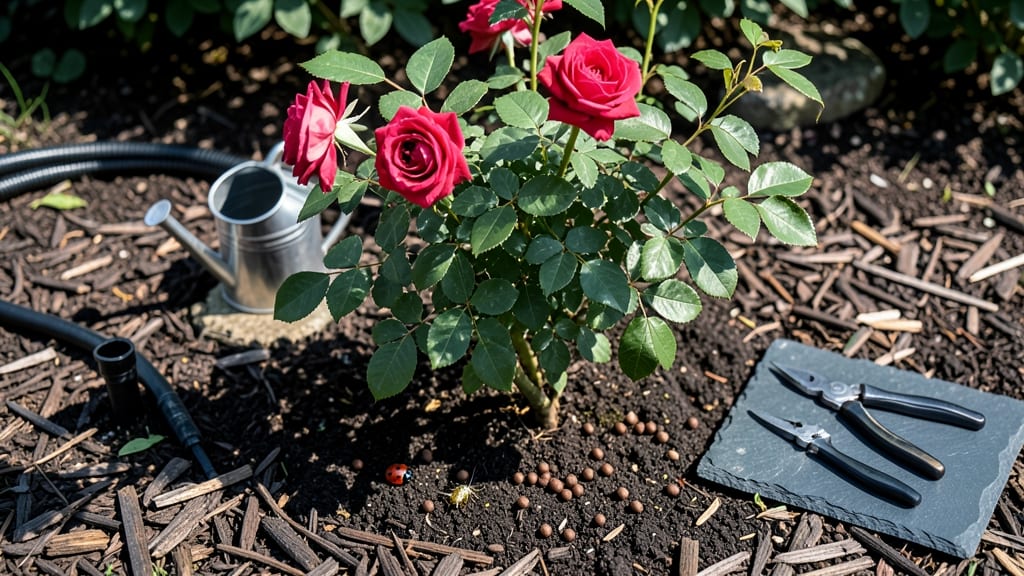
How to keep roses healthy isn’t about luck—it’s about three simple habits that transform weak stems into vibrant bushes bursting with blooms. 🌹 I’ve watched my own roses go from struggling survivors to the showstopper of the garden, and the difference comes down to watering, pruning, and soil care that actually works.
The biggest mistake? Treating roses like delicate divas when they’re tough survivors. You need consistent watering (deep soaks, not light sprinkles), strategic pruning (cutting at the right angle and time), and soil that drains well but holds moisture.
Most gardeners overcomplicate it—this is where I’ll show you the foolproof routine that works even for black thumbs.
By summer’s end, you’ll have roses that bloom nonstop, resist pests, and bounce back from winter like nothing happened. The key is staying ahead of problems—like thinning out crowded canes in early spring or mulching properly to keep roots happy.
It’s not rocket science, just smart habits that pay off in lush foliage and endless flowers.
This works for hybrid teas, floribundas, and even old garden roses—no matter your climate. Let’s get those bushes thriving for years, not just one glorious season.
📚 In This Guide
- What you need
- Instructions
- Tips and common mistakes
- Wrapping up and next steps
What you need
- ● Pruning shears – Sharp, sterilized shears (1 pair)
- ● Garden gloves – Durable, chemical-resistant (1 pair)
- ● Hose with adjustable nozzle – For targeted watering (1)
- ● Organic pest control sprays – Neem oil, insecticidal soap, or horticultural oil (1–2 bottles)
- ○ Fungicide (optional but recommended) – Copper-based or sulfur-based (1 bottle)
- ● Mulch – Organic (straw, wood chips) or inorganic (gravel) (2–3 bags)
- ● Stakes or supports – For climbing roses (if applicable) (5–10 pieces)
- ● Rose fertilizer – Balanced (10-10-10) or organic (fish emulsion, compost) (1–2 bags)
- ● Pest traps – Yellow sticky traps for aphids/whiteflies (2–4 traps)
- ● Beneficial nematodes – For soil-dwelling pests (e.g., grubs) (1–2 packs)
- ● Soil pH test kit – Ensures optimal growing conditions (6.0–6.5 pH) (1 kit)
- ○ Drip irrigation system – For consistent moisture (optional but efficient) (1 kit)
Tips & tricks for year-round rose care
Here's what nobody tells you about keeping roses thriving through every season—these tricks make all the difference.
Pruning Precision: When you're making those 45-degree cuts in Step 1, look for buds that face outward on the stem. These buds will grow away from the center, creating a more open, airy plant structure. I always make my cuts just above a bud that's pointing outward—this simple detail prevents crowded canes that trap moisture and invite disease. And remember, those 2-3 weeks of fresh growth are your reward for timing your prune right when buds begin to swell.
Soil Secrets: The 2-3 inches of compost you add in Step 2 isn't just about nutrients—it's about creating the perfect environment for roots. I like to mix in a handful of worm castings with that compost for extra microbial activity. For soil pH testing, grab a simple test kit from your garden center. If your roses are struggling with yellow leaves despite good care, that's often your first sign the soil might be too alkaline. The 6.0-6.5 range is critical for iron uptake, which prevents those telltale yellow leaves.
Watering Wisdom: That 12-18 inch deep watering in Step 3 is non-negotiable, but here's the secret: the soil should feel like a well-wrung sponge at that depth. I use a screwdriver to check—if it slides in easily, you're good. During heatwaves, I set my timer for every 2-3 days but always check first. The key is consistency—roses hate moisture swings. And that 3-inch finger test? It's your quick daily check before watering. If your finger comes out clean, wait another day.
Seasonal Strategy: In Step 5, when you're wrapping canes with burlap, leave the top few inches uncovered. This allows for some airflow while still protecting from harsh winds. I also like to add a layer of straw mulch over the regular mulch in winter—it provides extra insulation without compacting like heavier mulches. This simple layer can make the difference between roses that survive winter and those that thrive through it.
Pro Tips for Keep Roses Healthy
- Here's what nobody tells you about keeping roses thriving through every season—these tricks make all the difference.
- Pruning Precision: When you're making those 45-degree cuts in Step 1, look for buds that face outward on the stem.
- Soil Secrets: The 2-3 inches of compost you add in Step 2 isn't just about nutrients—it's about creating the perfect environment for roots.
Frequently asked questions
Got questions about keeping your roses thriving? You’re not alone! Here are some of the most common concerns—and straightforward answers to help you grow lush, pest-free blooms all year.
Why are my rose leaves turning yellow, even though I’m watering them regularly?
Yellowing leaves often signal overwatering or nutrient deficiencies. Check the soil—it should be moist but not soggy. If the roots smell rotten, you’re overdoing it! Amend the soil with compost and ensure proper drainage. Yellowing can also stem from iron deficiency—try a chelated iron supplement or use Epsom salt (1 tbsp per gallon of water) every 2 weeks.
When is the best time to prune roses to prevent pests and diseases?
Prune late winter or early spring (just before new growth starts) to remove dead wood and encourage healthy blooms. Avoid pruning in fall—it invites pests and diseases to overwinter in fresh cuts. Always use sterilized tools and cut at a 45-degree angle just above an outward-facing bud. Pro tip: Never prune when roses are wet to prevent fungal spores from spreading!
How do I get rid of aphids on my roses without harming the plants?
Aphids are pesky but manageable! Start with a strong water spray to dislodge them, or introduce ladybugs (natural predators). For stubborn infestations, use neem oil (mix 1 tbsp with 1 quart of water + a drop of dish soap) and spray early in the morning. Avoid chemical pesticides—they can harm pollinators and disrupt the ecosystem.
Can roses survive extreme heat or cold? What’s the best way to protect them?
Roses are resilient but need help in extreme conditions. For heat: Mulch heavily (3–4 inches) to retain moisture, water deeply in the early morning, and provide afternoon shade with a light cloth. For cold: Mound soil or mulch around the base (up to the first bud union) and wrap canes loosely with burlap. Pro tip: Avoid fertilizing in winter—it encourages tender new growth that’s vulnerable to frost!
Are there low-maintenance rose varieties that resist pests naturally?
Look for disease-resistant hybrids like ‘Knock Out’ roses or ‘Dr. Huey’, bred to fend off black spot, powdery mildew, and pests. Other winners include ‘Earth-Kind’ roses (developed by Texas A&M) and rugosa roses, which thrive in tough conditions with minimal care. Always check labels for “disease-resistant” or “pest-resistant” claims!
Wrapping up and next steps
Keeping your roses vibrant and thriving year-round is all about consistent care, vigilance, and a little love! 🌹 From pruning for airflow to monitoring pests and feeding them right, these three key tricks will set you up for success.
Remember, even the most stunning roses need attention—but the rewards are worth it.
Ready to see your garden bloom with confidence? Start small: pick one trick to focus on this week, then build from there. Before you know it, your roses will be the envy of the neighborhood! 🌟