
Propagation
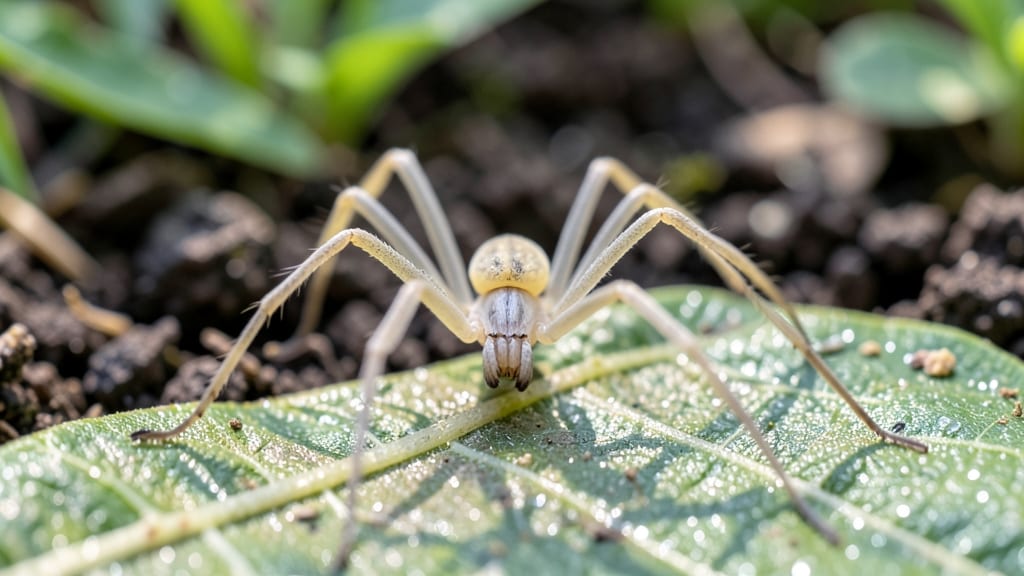
How to keep spiders from making webs on your porch—it’s easier than you think, and you don’t need harsh chemicals to do it. 🕷️ After years of battling webs, I’ve perfected a few foolproof tricks that actually work. The secret? Disrupting their habitat while making your porch less appealing for their sticky creations.
Spiders love porches because they’re dark, sheltered, and full of hiding spots. But with regular cleaning, proper lighting, and a few strategic barriers, you can send them packing. I’ve tested everything from citrus peels to vacuum maintenance—here’s what cuts down on webs the most without harming the ecosystem.
By the end of this, your porch will stay web-free for weeks at a time. No more sweeping sticky strands off your shoes or finding them tangled in your outdoor lights. The best part? These methods keep working long after you’ve stopped seeing them.
Works for any porch size, whether you’re dealing with a few strands or a full-on silk fortress. Let’s make your outdoor space spider-proof the natural way.
The Hidden Reasons Spiders Choose Your Porch
Spiders don’t invade your porch just to annoy you—they’re following a mix of instinct, survival needs, and environmental cues. Understanding why they build webs in the first place is the key to stopping them for good.
Here’s a breakdown of the science behind their porch preferences, with actionable insights to disrupt their plans.
Spiders are not aggressive, but they’re highly vulnerable to birds, lizards, and even curious pets. Your porch offers them a prime spot to:
- Hide in plain sight: Webs in corners, under eaves, or near light fixtures create camouflage. Spiders like common house spiders (Parasteatoda tepidariorum) thrive here because their silk blends into shadows.
- Avoid wind and weather: Enclosed porches or overhangs shield webs from rain and gusts, which can tear delicate silk. Open-air porches with partial cover (like lattice or roof edges) are especially attractive.
- Ambush prey safely: Porches near gardens or patios attract insects (flies, moths, mosquitoes)—a spider’s all-you-can-eat buffet. A single web can catch hundreds of insects per night, making it a high-efficiency hunting ground.
Actionable fix: Seal gaps around porch edges (use weatherstripping) and install fine mesh screens (like those on screen doors) to block entry points while allowing airflow.
Spiders are light-sensitive but also drawn to specific microclimates. Your porch might be their perfect sweet spot because of:
| Factor | Why Spiders Love It | How to Disrupt It |
|---|---|---|
| 💡 Artificial lighting | Outdoor lights (especially yellow or white LEDs) attract moths and flying insects, which spiders use as bait. Some species, like daddy long-legs (Pholcus phalangioides), are even drawn to light itself. | Switch to insect-repelling bulbs (e.g., bug zapper lights) or use motion-sensor lights that turn off when no one’s around. |
| 🌡️ Humidity traps | Porches with poor ventilation (e.g., near potted plants, damp wood, or rain gutters) create high-humidity zones. Spiders like cellar spiders (Pholcus) need moisture to survive, and stagnant air keeps their webs from drying out. | Install ventilation fans or dehumidifiers in enclosed porches. Store plants in drip trays with sand to absorb excess moisture. |
| ☀️ Warmth retention | South- or west-facing porches absorb heat during the day, creating a thermal gradient that spiders exploit. Warmer air holds more moisture, and spiders use this to regulate their silk production. | Apply reflective insulation to porch ceilings or use retractable awnings to block direct sunlight during peak heat (10 AM–4 PM). |
Spiders are chemical communicators. They leave behind pheromone trails in their silk, which act like invisible “Do Not Disturb” signs to other spiders—or invitation cards to their own species. Here’s how it works:
- Founder effect: If one spider builds a web on your porch, others will detect the silk’s protein signature and assume it’s a safe, established territory. This triggers a group colonization response within days.
- Silk durability: Unlike cobwebs that disintegrate in rain, orb-weaver silk (common in outdoor webs) can last weeks if protected from UV light. This gives spiders a “head start” in reclaiming the space.
- Mating signals: Female spiders release sex pheromones in their webs, luring males to mate. Once males arrive, they reinforce the web, making it harder to remove completely.
Actionable fix: 💡 Break the cycle: Remove all spider silk—even tiny fragments—using a damp microfiber cloth or vinegar spray (1:1 ratio). Spiders rely on these trails to return, so consistent removal (weekly) is critical. ✨ Pro tip: Sprinkle diatomaceous earth (DE) (food-grade) along porch edges. It degrades silk and dries out spiders without harming plants or pets.
Spiders are opportunistic hunters, and your porch might be a five-star buffet for them if:
- You have a garden nearby: Flowers like dill, cosmos, and marigolds attract pollinators, but they also draw mosquitoes, gnats, and moths—spider favorites. One study found that porches within 10 feet of gardens had 40% more spider activity.
- Your porch lights are insect magnets: White or blue LED lights are the worst offenders, luring thousands of insects per night. Spiders like yellowjackets and house flies because they’re high in protein.
- You have standing water: Even small amounts (like in plant saucers or clogged gutters) breed mosquitoes and fungus gnats, which spiders target first.
Actionable fix: 🔥 Reduce the menu:
- Replace porch lights with solar-powered yellow bug lights (spiders avoid these).
- Install bat houses or purple martin boxes—natural predators that eat 80% of porch insects without chemicals.
- Use citronella or peppermint oil sprays (reapply every 3 days) to deter flying pests.
Practical Fixes for Web-Free Porches
Now that you know why spiders love your porch, it’s time to kick them to the curb—without the harsh chemicals! 🕷️🚫 Below, we’ve mapped out targeted solutions based on the most common causes of porch webs, along with preventive tips to keep spiders from returning.
These methods are easy, budget-friendly, and eco-conscious, so you can enjoy your outdoor space without a sticky surprise.
Fix: Disrupt their food chain before they spin.
Spiders are opportunistic hunters, and your porch likely has plenty of bugs for them to feast on. Break the cycle with these steps:
- 🔥 Eliminate Bug Hotspots
- Use yellow bug lights (they attract fewer insects than white lights).
- Install fans near entryways—spiders hate strong airflow (it disrupts their web-spinning).
- Seal gaps in screens, doors, and windows with caulk or mesh to block entry for both spiders and their prey.
- 🍳 Natural Pest Control - Place diatomaceous earth (DE) in small piles near corners or under the porch. (It’s non-toxic to pets if kept dry!) - Plant spider-repelling herbs like mint, lavender, or basil in pots around your porch.
The scent confuses spiders. - Set up a soap spray bottle (mix 1 tbsp dish soap + 1 quart water) to zap crawling insects on contact.
- 👨🍳 Regular Cleanups
- Sweep or vacuum daily to remove egg sacs, shed skins, and dead insects—spiders use these as "trail markers."
- Store firewood, mulch, and potted plants away from the porch (spiders hide in crevices).
Fix: Block their entry points and disrupt their routes.
Spiders follow existing structures—rails, eaves, and corners—to build webs. Make your porch less inviting with these barriers:
- 🔪 Physical Barriers
- Sticky traps (like the Black Flag Spider Trap) placed along railings or under eaves catch stragglers.
- Copper tape (spiders avoid it!) can be wrapped around porch posts or edges—it’s a natural deterrent.
- Hang fine mesh (like no-see-um netting) over high-traffic areas where webs form.
- ⏰ Strategic Lighting
- Swap outdoor LED bulbs for red or amber lights—spiders are less active under these colors.
- Use motion-activated lights to startle them away when they approach.
- 🌡️ Heat and Vibration Tricks
- Hang wind chimes or solar-powered pinwheels—the movement disrupts web-spinning.
- Place citrus peels or coffee grounds in small fabric pouches near corners. The smell repels spiders.
Fix: Remove hiding spots and make the space less appealing.
Spiders love dark, undisturbed corners where they can build webs without interference. Brighten up and tighten spaces with these fixes:
- 💡 Light It Up
- Install bright LED strip lights under the porch or along railings. Spiders avoid well-lit areas.
- Reflective surfaces (like aluminum foil on corners) can deter them—just crumple and tape small pieces where webs form.
- 🎯 Declutter Like a Pro
- Store tools, toys, and outdoor decor in sealed bins or sheds.
- Remove cobwebs immediately—spiders use them as "scaffolding" for new webs.
- Keep plants trimmed and away from porch edges (spiders use foliage as anchor points).
- ✨ Essential Oil Sprays (Safe & Effective)
- Mix 10 drops peppermint or tea tree oil with 1 cup water in a spray bottle. Lightly mist corners, beams, and railings (reapply every few days).
- Avoid spraying on plants—oils can harm foliage.
Once you’ve cleared the webs, lock in your success with these maintenance habits:
- 🕯️ Monthly Deep Clean
- Check for new egg sacs (they look like tiny white cotton balls) and crush them with a broom or vacuum.
- Wipe down surfaces with a vinegar-water solution (1:1 ratio)—spiders dislike the smell.
- 🌱 Porch Redesign
- Add a few spider-repelling plants like lemongrass, marigolds, or chrysanthemums in pots.
- Paint porch wood with white or light-colored paint—spiders prefer darker, textured surfaces.
- 🚫 Avoid Common Mistakes
- ❌ Don’t use mothballs—they’re toxic and can harm pets/kids.
- ❌ Skip the chemical sprays—they kill spiders but don’t stop new ones from moving in.
- ❌ Ignore small webs—they grow fast! Remove them before they become a problem.
Pro Tip: 💡 If spiders keep returning, you might have a harvestman (daddy longlegs) problem—they don’t spin webs but create "silk lines." Use the same barriers, but add double-sided tape to catch them crawling.
With these cause-specific fixes, your porch will stay web-free, bug-free, and spider-free—without resorting to harsh chemicals. Try one or two methods this week and watch the difference! 🕸️➡️🚫
Frequently asked questions
Why do spiders prefer my porch over other areas?
Spiders love porches because they offer shelter from wind and predators while providing easy access to insects. Dark corners, lighting, and nearby gardens create the perfect hunting ground. The combination of food (bugs), hiding spots, and stable conditions makes your porch irresistible to them.
Will peppermint oil really keep spiders away?
Yes! Spiders hate the strong scent of peppermint oil. Mix 10 drops with 1 cup of water in a spray bottle and apply to corners, beams, and railings. Reapply every 3-4 days for best results—it disrupts their pheromone trails and confuses them.
How often should I clean my porch to prevent webs?
For best results, do a quick sweep or vacuum 2-3 times per week to remove egg sacs and silk fragments. Once a month, do a deeper clean with a vinegar-water solution (1:1 ratio) to break down pheromone trails. Consistency is key—spiders rely on these signals to return.
Are there any plants that naturally repel spiders?
Plant mint, lavender, or basil in pots around your porch—their strong scents deter spiders. Other effective options include lemongrass, marigolds, and chrysanthemums. Just keep them trimmed and away from porch edges to prevent spiders from using them as anchor points.
What’s the fastest way to remove existing webs without chemicals?
Use a damp microfiber cloth or a vinegar spray (1:1 ratio) to wipe down surfaces. For stubborn webs, try citrus peels—rub them along beams and corners. The natural acids break down silk while repelling spiders. Always remove all fragments to prevent reinfestation.