
Pests
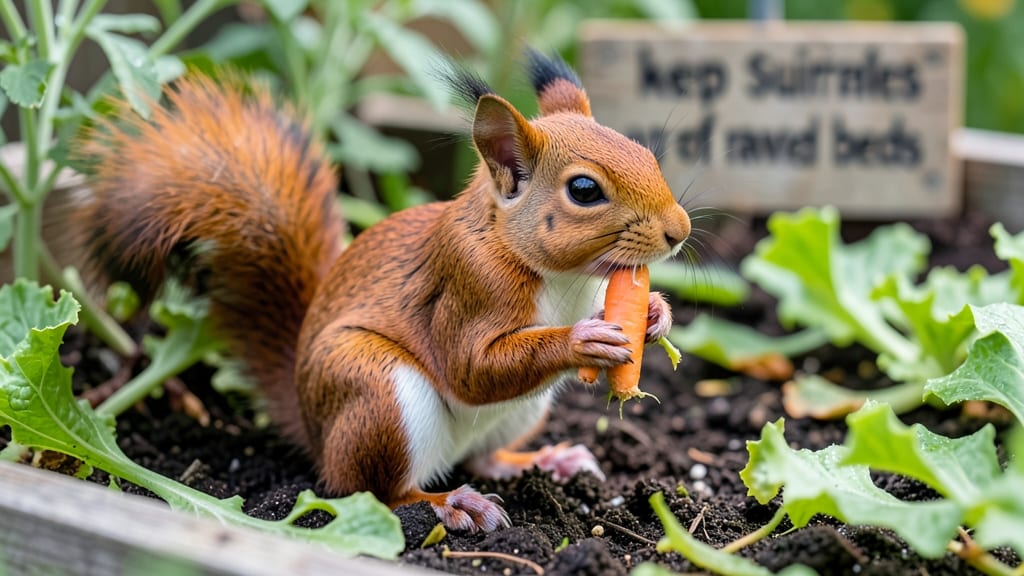
Squirrels turned my raised beds into their personal salad bar after I finally learned how to keep them out. 🌱 After losing three seasons of peppers and lettuce to these furry thieves, I finally cracked the code with physical barriers that actually work—no more flimsy chicken wire or half-hearted deterrents.
The key is hardware cloth (not chicken wire—squirrels chew through it) buried at least 12 inches deep around the bed edges. Add a 12-inch overhang above the soil, and suddenly, those acrobats have nowhere to land. I also installed a 1-inch mesh over the entire bed, secured with stakes.
By mid-June, my beds stayed squirrel-free, and the harvest was double what I’d grown in years. The setup takes 2-3 hours but pays off every season. Even my neighbor’s persistent gray squirrels gave up after a few failed attempts.
Works for any raised bed size, from 4x8-foot plots to tiny 2x4-foot containers. Here’s how to set it up without turning your garden into a fortress—just a squirrel-proof zone.
📚 In This Guide
- What you need
- Instructions
- Tips and common mistakes
- Wrapping up and next steps
What you need
- ● Hardware cloth or wire mesh: 1/4-inch or 1/2-inch galvanized steel mesh (at least 4 feet tall, enough to wrap around the entire raised bed). Pro tip: 💡 Avoid plastic or chicken wire—squirrels will chew right through it!
- ● Staple gun + heavy-duty staples: For securing mesh to wood or metal edges.
- ● Ziploc bags or plastic sheeting: To cover the top of the bed temporarily (e.g., 6-mil thickness, cut to fit your bed dimensions).
- ● Bungee cords or clothespins: To anchor the plastic cover tightly.
- ○ Landscape fabric: Optional but helpful for lining the bottom of the bed if squirrels are digging from below.
- ● PVC pipes or metal flashing: 2–3 feet tall, cut into sections to create a physical skirt around the bed edges.
- ● Outdoor-rated screws/nails: For attaching PVC or flashing to the bed frame.
- ● Pruning shears or scissors: For trimming mesh/plastic to size.
- ● Motion-activated sprinkler: Deters squirrels with a quick spray (set to low pressure to avoid damaging plants).
- ● Essential oil spray: Mix peppermint or citrus oil with water (1:1 ratio) and spray around the bed edges.
- ● Decoy predators: Fake owls or snakes (move them weekly to keep squirrels guessing!).
- ● Capsaicin spray (hot pepper wax): Apply to mesh edges—squirrels hate the spicy kick!
Step-by-Step guide to installing physical barriers against squirrels
Here's how I've kept these persistent diggers out of my raised beds—no more vanished seedlings or chewed-up soil.
🪴 Step 1: Assess Your Raised Bed Structure and Identify Entry Points
Squirrels exploit even the smallest gaps, so start by examining your raised bed from all sides. Look for holes larger than ½ inch along the bottom edges, gaps between the frame and soil, or weak spots where wood might have warped. I use a flashlight to spot hidden cracks in low light—squirrels often target these spots after dark.
Measure the height of your bed's walls. Most squirrels can leap 3-4 feet vertically, so if your bed is shorter than that, you'll need additional protection. Mark potential entry points with a pencil; these are your priority areas for sealing. Pay special attention to corners and joints where materials meet.
✂️ Step 2: Install Hardware Cloth or Wire Mesh Along the Edges
Cut ¼-inch hardware cloth to fit snugly along the outer edges of your raised bed, extending 6-12 inches below the ground level. This prevents squirrels from digging underneath. Secure it with landscape staples or heavy-duty zip ties, ensuring no gaps larger than ¼ inch exist where the mesh meets the bed frame.
For the sides, wrap the hardware cloth around the interior or exterior of the bed, depending on your design. I prefer the exterior method because it keeps the mesh out of direct contact with soil, reducing rust risk. Overlap seams by at least 2 inches and staple securely. If your bed has a removable bottom, line it entirely with mesh before adding soil.
🌿 Step 3: Add a Top Barrier Using Flexible Materials
Squirrels are expert climbers, so install a 12-inch wide strip of flexible metal flashing or plastic sheeting along the top edge of your bed. Bend it outward at a 45-degree angle to create an overhang. This makes it impossible for them to grab onto the bed's edge and pull themselves up. Secure the barrier with staples or screws every 6 inches for maximum stability.
For extra protection, I add a second layer of ¼-inch mesh draped over the top of the bed and secured with small rocks or landscape pins. This creates a "tunnel effect" that squirrels avoid. Test the barrier by attempting to climb it yourself—if you can grip it, the squirrels will too, and you'll need to adjust.
💧 Step 4: Seal Gaps and Weak Spots with Non-Toxic Caulk
Use expanding foam or silicone caulk to seal any remaining gaps around the bed frame, particularly where wood meets metal or at corner joints. Focus on areas where squirrels might squeeze through, like loose boards or uneven seams. Smooth the caulk with a putty knife and let it cure fully before adding soil or plants.
For wooden beds, I also apply a pet-safe sealant to the interior surfaces. This makes the wood less appealing for chewing and adds an extra deterrent layer. Avoid toxic chemicals—squirrels are smart and will associate unpleasant smells with your garden, making them more determined to find alternative entry points.
☀️ Step 5: Maintain and Monitor for Weak Points
Check your barriers weekly, especially after heavy rain or wind, which can loosen staples or warp materials. Replace any damaged sections immediately—even a small tear can become a squirrel highway. I keep a roll of hardware cloth and staples on hand for quick repairs.
If you notice new digging activity, inspect the bed for fresh entry points. Squirrels often target areas with loose soil or weak barriers. Adjust your defenses as needed, and consider adding motion-activated sprinklers or ultrasonic devices as a secondary deterrent. Consistency is key; squirrels give up when they realize your bed is impenetrable.
Tips & tricks for effective raised bed squirrel protection
These battle-tested strategies will help you create an impenetrable fortress against those clever little diggers.
Material Selection Matters: Hardware cloth is your best bet—it's durable and won't rust like chicken wire. I've found that ¼-inch mesh is the sweet spot: small enough to block squirrels but large enough to allow water drainage. For the top barrier, flexible metal flashing works better than plastic because it won't degrade under UV exposure over time.
The Height Factor: Remember those 3-4 feet vertical leap measurements from Step 1? If your bed walls are shorter, extend them with temporary wooden supports or add a removable mesh extension. I've seen squirrels attempt to scale beds that were only 2 feet high—don't underestimate their determination. For extra security, consider adding a 12-inch overhang of mesh that slopes outward at a 45-degree angle along the top edge.
Sealant Strategy: When applying caulk in Step 4, focus on the most vulnerable spots: corner joints and areas where different materials meet. I've had success using silicone-based caulk because it stays flexible and won't crack with temperature changes. For wooden beds, apply the pet-safe sealant to the interior surfaces first—this makes the wood less appealing for chewing and adds an extra layer of protection.
Long-Term Maintenance: That weekly inspection in Step 5 is non-negotiable. I've seen perfectly good barriers fail because someone forgot to check after a heavy rainstorm. Keep a small toolkit handy with extra staples, a roll of hardware cloth, and a few screws. The moment you notice even a tiny gap, patch it immediately—squirrels will exploit any opening, no matter how small.
Pro Tips for Keep Squirrels Out Of Raised Beds
- These battle-tested strategies will help you create an impenetrable fortress against those clever little diggers.
- Material Selection Matters: Hardware cloth is your best bet—it's durable and won't rust like chicken wire.
- The Height Factor: Remember those 3-4 feet vertical leap measurements from Step 1?
Frequently asked questions
Got questions about keeping squirrels out of your raised beds? You’re not alone!
Here are some of the most common concerns—and practical answers—to help you protect your garden like a pro.
What’s the best time of year to install squirrel-proof barriers?
Install barriers before squirrels discover your raised beds—ideally in early spring (before planting) or late fall (after harvest). Squirrels are opportunistic, so don’t wait until you spot them digging! If you’re mid-season, act fast—even temporary solutions like row covers can buy you time.
Can I use chicken wire instead of hardware cloth? Will it work?
Chicken wire (1-inch mesh) is not squirrel-proof—those nimble critters can chew through it or squeeze through gaps. For raised beds, use hardware cloth (¼-inch or smaller mesh) buried 6–12 inches deep around the perimeter. Pro tip: Bend the edges outward to deter digging.
Will mulch or straw deter squirrels from my raised beds?
Mulch and straw won’t keep squirrels out—they’re more likely to nest or dig under it! Use these organic materials on top of a physical barrier (like hardware cloth) to suppress weeds and deter pests. For extra protection, pair mulch with prickly plants (like thorny roses) around the bed edges.
How do I keep squirrels from stealing my harvest (like tomatoes or peppers) even with barriers?
Squirrels are clever—they’ll jump or dig if they sense food. Double down with:
- Row covers (lightweight fabric) over crops when ripe.
- Harvest promptly—don’t leave overripe fruit lying around.
- Motion-activated sprinklers (they hate surprises!).
Are there any low-cost or DIY squirrel deterrents I can try first?
Start with these budget-friendly tricks:
- Coffee grounds sprinkled around beds (squirrels dislike the smell).
- Predator urine (fox or coyote, available at garden stores).
- Wind chimes or aluminum pie pans (noisy distractions).
- Plant squirrel-repelling herbs like mint or garlic near the bed.
Wrapping up and next steps
Keeping squirrels out of your raised beds doesn’t have to be a losing battle—with the right physical barriers and a little persistence, you can protect your hard work! 🌱 From hardware cloth to squirrel-proof fencing, these methods are proven to work when applied consistently.
Start small, test what fits your garden best, and soon you’ll be harvesting peace of mind along with your veggies.
Ready to reclaim your garden? Pick one barrier method from this guide and give it a try this season—your plants (and sanity) will thank you! 🚀