
Pests
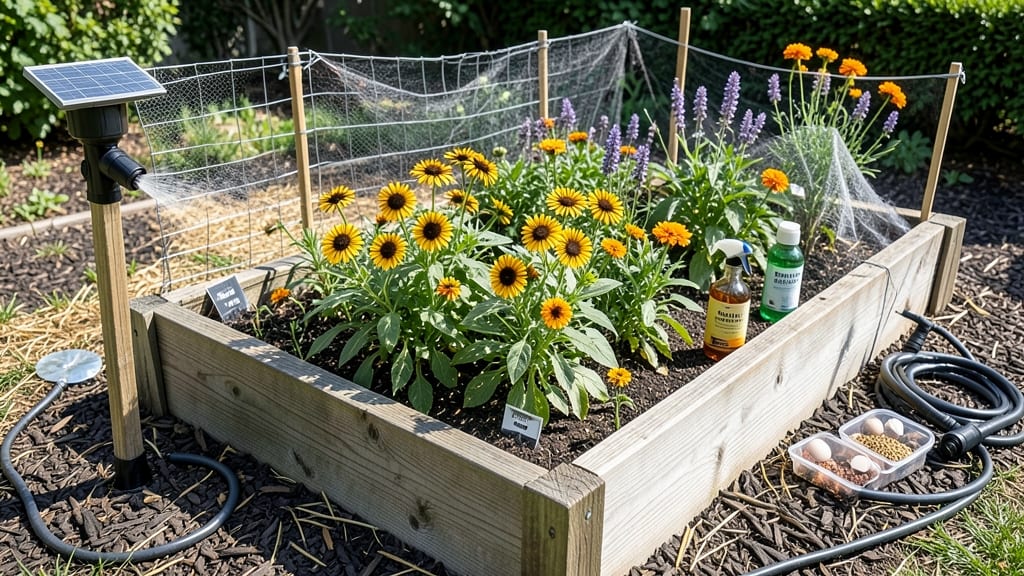
How to keep wildlife away from your garden without chemicals was my biggest challenge—until I discovered natural barriers that actually work. Deer munched my hostas, rabbits chewed my lettuce, and birds scattered seeds everywhere, but I found solutions that protect my plants without harming the ecosystem. Start with physical barriers: chicken wire around veggies, fencing at least 8 feet tall for deer, and netting over berries. Plants like lavender and marigolds repel pests naturally, while habitat tweaks (removing brush piles) cut hiding spots. The key is combining these methods for real protection. You’ll see fewer nibbled leaves and more of your harvest staying put. The best part? These solutions work year after year without harming the ecosystem. No more chemical sprays or frustrated digging—just a garden that thrives on its own terms. Works for any yard size, from city balconies to country plots. Here’s how to set up each barrier for maximum effectiveness—no guesswork, just results.
📚 In This Guide
- What you need
- Instructions
- Tips and common mistakes
- Wrapping up and next steps
What you need
- ● Hardware cloth or chicken wire: ¼-inch mesh (for small critters like rabbits) or ½-inch mesh (for larger animals like deer). Quantity: Enough to cover vulnerable garden beds (e.g., 10–20 ft rolls for a typical yard).
- ● Stakes or posts: 2–3 ft long, made of wood, metal, or plastic (4–6 per 10 ft of barrier).
- ● Twine or zip ties: Heavy-duty, UV-resistant (100+ ft roll).
- ● Pruners or wire cutters: For trimming materials to size.
- ● Natural repellents: Cayenne pepper or red pepper flakes: 1–2 cups (for sprays or sprinkles).
- ● Garlic or onion powder: ½ cup (mix with water for a DIY spray).
- ● Predator urine (coyote, fox, or bobcat):strong> (1–2 bottles, available at garden centers).
- ● Plants that repel wildlife: Marigolds, lavender, or rosemary: 3–5 plants (perimeter placement).
- ● Alliums (garlic, chives, or onions): 2–4 plants (interplant with veggies).
- ● Motion-activated sprinklers: Solar-powered (e.g., Orbit Enforcer). Why? Scares off deer and rabbits with a sudden burst of water.
- ● Reflective tape or old CDs: Hang from fences or trees to create flickering light reflections (deters birds and small mammals).
- ● Compost or manure: Aged, well-composted (to mask scent of fresh soil, which attracts digging animals).
- ● DIY spray bottles: 16 oz spray bottles (for homemade repellent mixes).
- ● Fencing alternatives: Electric fencing: Low-voltage (for persistent deer or rabbits).
- ● Hedge plants: Thorny varieties like pyracantha or barberry (3–5 plants for a living fence).
Step-by-step instructions for creating natural wildlife barriers
Here’s how to protect your garden without harsh chemicals—using simple, effective methods that actually work.
🌿 Step 1: Identify Problem Areas and Wildlife Types
First, observe which animals are causing damage. Deer leave jagged bites on leaves, rabbits chew stems at ground level, and squirrels dig up bulbs or raid bird feeders. I like to set up a simple camera trap (even a phone on a tripod) for a few nights to confirm what’s visiting. This ensures you choose the right barrier method.
Focus on high-risk zones—your most vulnerable plants, entry points like fence gaps, or areas where wildlife leaves tracks. For example, if rabbits are nibbling hostas, prioritize their favorite spots first. Mark these areas with small flags or stakes so you remember where to apply barriers later.
🪴 Step 2: Install Physical Barriers for Different Pests
For rabbits and deer, use chicken wire or hardware cloth (at least 1 foot high for rabbits, 8 feet high for deer). Bury the bottom 6 inches deep or anchor it with stakes to prevent digging underneath. I’ve found that 1-inch mesh works best—smaller holes trap animals, while larger ones let them squeeze through.
For ground-dwelling pests like voles or moles, lay metal mesh (like hardware cloth) over soil before planting. For birds pecking at fruit, drape netting loosely over bushes—tight enough to block access but loose enough to allow airflow. Always secure barriers with zip ties or clips, not staples (they can damage plants over time).
✂️ Step 3: Use Natural Repellents Strategically
Spray homemade repellents (like garlic-chili water or predator urine) on fences, plant leaves, and garden edges. I mix 1 crushed garlic bulb, 1 tablespoon cayenne pepper, and 1 quart of water, then spray it on a weekly basis—especially after rain. The smell deters deer and rabbits without harming plants.
For squirrels, place hot pepper flakes in small mesh bags near entry points or bird feeders. The scent lingers and keeps them away. Rotate repellent types seasonally—animals adapt, so switching between garlic spray, predator urine, and commercial options keeps them guessing. Always reapply after heavy rain.
☀️ Step 4: Create Deterrents with Motion and Noise
Hang old CDs or aluminum pie pans from strings between plants—they create noise and movement that scare off birds and small mammals. I also use solar-powered motion-activated sprinklers, which spray a quick burst of water when animals approach. These work best in small garden areas where wildlife lingers.
For larger properties, install wind chimes or bamboo poles near problem spots. The sound alone often deters deer and rabbits. Place them 3-4 feet off the ground so they’re visible but not easily knocked over. Combine with other barriers for best results—physical blockades alone don’t always work long-term.
🌱 Step 5: Maintain and Adjust Barriers Seasonally
Check barriers every 2-3 weeks for damage, especially after storms or heavy rain. Replace torn netting, tighten loose mesh, and refresh repellent sprays. I mark my calendar with reminders—spring and fall are critical times when wildlife is most active.
Adjust strategies based on what’s working. If rabbits keep finding gaps, add more chicken wire or plant thorny bushes like roses or barberries as natural deterrents. Rotate repellent types to prevent animals from becoming accustomed to them. A little flexibility goes a long way in keeping your garden safe year-round.
Tips & tricks for effective wildlife barriers
Here’s what I’ve learned after years of testing these methods—and what nobody tells you about making them work.
Targeted Observation: Don’t just guess which animals are causing damage. Set up a simple camera trap (even your phone on a tripod) for just a few nights. I caught raccoons raiding my compost pile when I thought squirrels were the culprits—this changes everything about what barriers you’ll need. Focus on the most vulnerable spots first, like where you’ve seen fresh tracks or chewed plants.
Barrier Height Matters: The instructions specify 1 foot for rabbits and 8 feet for deer, but here’s the secret: add an extra 6 inches to all heights. Deer can jump surprisingly high when motivated, and rabbits will try to squeeze under if there’s any gap. For ground-dwelling pests, bury the mesh at least 6 inches deep or they’ll dig underneath—trust me, moles are sneaky.
Repellent Rotation Strategy: Animals get used to smells fast. I keep three different repellent options on hand: garlic-chili spray, predator urine, and commercial options. Use one type for two weeks, then switch. The cayenne pepper in the garlic spray is particularly effective—just don’t spray it on days you plan to harvest those plants! Reapply after every heavy rain, as the scent washes away quickly.
Layered Defense System: No single method works perfectly alone. Combine physical barriers with repellents and motion deterrents. For example, I use chicken wire around my vegetable garden, garlic spray on the fences, and hang old CDs nearby. The noise from the CDs startles them when they get too close, while the garlic spray makes them think twice about lingering. This multi-layer approach has kept my garden safe for years.
Pro Tips for Keep Wildlife Away From Garden
- Here’s what I’ve learned after years of testing these methods—and what nobody tells you about making them work.
- Targeted Observation: Don’t just guess which animals are causing damage.
- Barrier Height Matters: The instructions specify 1 foot for rabbits and 8 feet for deer, but here’s the secret: add an extra 6 inches to all heights.
Frequently asked questions
What’s the most effective natural barrier to keep wildlife out?
The best natural barrier depends on the wildlife, but for most common pests like rabbits or deer, a physical fence (2-3 feet tall for rabbits, 8+ feet for deer) works best. For smaller critters like squirrels or raccoons, chicken wire or mesh around vulnerable areas is ideal. Combine barriers with repellent plants (like marigolds or daffodils) for extra protection.
When is the best time to set up these barriers?
Install barriers early in the season—before wildlife starts foraging, ideally in late winter or early spring. If you’re dealing with an existing problem, act immediately to disrupt their access. For seasonal pests (like birds or butterflies), set up barriers just before their active period (e.g., spring for rabbits, summer for deer).
Are there humane ways to deter wildlife without harming them?
Avoid traps or poisons—opt for non-lethal methods like:
- Motion-activated sprinklers (startle pests without injury)
- Ultrasonic repellents (high-frequency sounds they dislike)
- Reflective tape or old CDs (scare off birds and small mammals)
- Planting wildlife-unfriendly flora (e.g., lavender, rosemary, or alliums)
What should I do if wildlife keeps coming back after I’ve set up barriers?
If pests persist, reinforce your defenses:
- Check for gaps or weak spots in fences/mesh and repair them.
- Rotate repellent methods (e.g., switch from sprays to plants or motion sensors).
- Remove attractants like fallen fruit, pet food, or standing water.
- Try a combination approach (e.g., fence + repellent plants + motion lights).
Can I use common household items as wildlife deterrents?
Yes! Many DIY solutions work well:
- Coffee grounds or hot peppers (sprinkle around plants—smells deter deer and rabbits).
- Eggshells or crushed rock (create a barrier squirrels dislike digging through).
- Aluminum pie pans or wind chimes (noisy deterrents for birds and small animals).
- Pine cones soaked in peppermint oil (place near entry points for a natural repellent).
Wrapping up and next steps
Keeping wildlife at bay doesn’t have to mean harsh chemicals or expensive solutions—just a few natural, thoughtful strategies can make your garden a no-go zone for unwanted visitors. From fencing and plants to lighting and sound, these methods protect your hard work while keeping ecosystems balanced. 🌿
You’ve got the tools and know-how—now it’s time to take action! Start small: pick one or two techniques that fit your garden’s needs, test them out, and adjust as you go. Happy gardening—and enjoy your peaceful, wildlife-free oasis! 🌟