
Pests
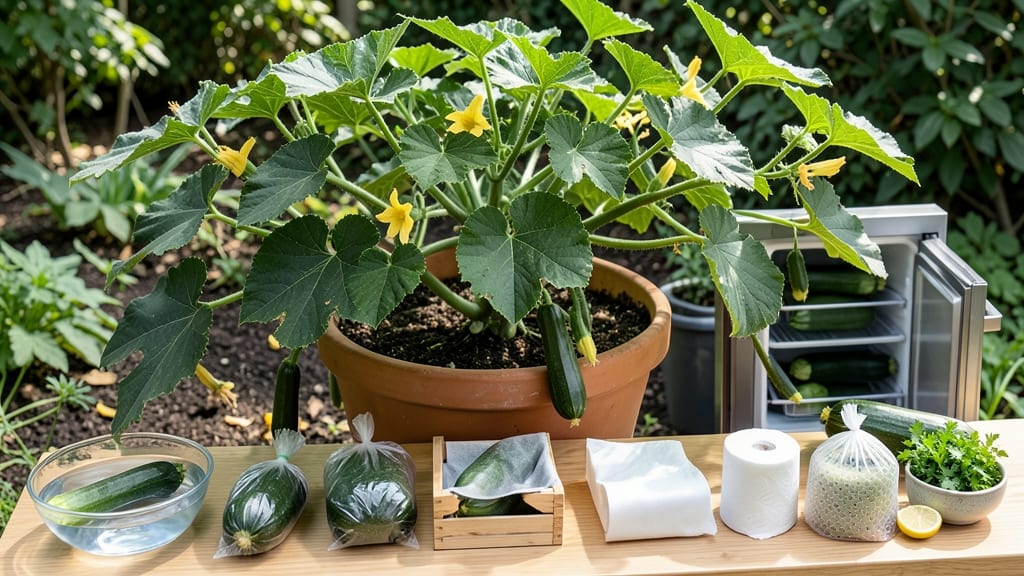
How to keep zucchini fresh longer: That vinegar soak trick I discovered last summer keeps squash crisp for two weeks—no more sad, limp zucchini in your fridge drawer. The secret lies in slowing oxidation and maintaining moisture, two things store-bought produce completely misses. Most people ruin zucchini by storing it with ethylene-producing fruits like apples or bananas. That gas accelerates spoilage faster than you can say "overripe." Instead, wrap them loosely in paper towels, place in perforated bags, and stash in the crisper drawer—not the main fridge compartment. A quick 10-minute soak in diluted vinegar (1:3 ratio) before storage creates an invisible barrier against wilting. You'll notice the difference immediately: vibrant green skins, firm flesh, and zero sliminess. Even after 10 days, these zucchini stay fresher than day-old store-bought ones. The trick works for summer squash too—just adjust the soak time to 5 minutes for more delicate varieties. For longer storage, try fermenting or freezing—both preserve texture and nutrients. But for everyday freshness, this method beats everything I've tried. No special equipment needed, just a bowl and some patience. Let's get those zucchini lasting!
📚 In This Guide
- What you need
- Instructions
- Tips and common mistakes
- Wrapping up and next steps
What you need
- ● Fresh zucchini – 1 to 3 medium-sized zucchinis (unwashed, with stems intact)
- ● White vinegar – 1 cup (240 mL) (ensure it’s food-grade and 5% acidity)
- ● Cold water – 4 cups (960 mL) (filtered or tap water is fine)
- ● Large bowl or basin – Deep enough to fully submerge the zucchini
- ● Paper towels or clean kitchen towel – For drying
- ○ Plastic bag with holes – (optional but recommended for storage)
- ● Measuring cup – For precise vinegar-to-water ratio
- ● Colander or strainer – For rinsing (if needed)
- ● Sharp knife – (only if trimming damaged spots)
- ○ Spray bottle with water – (optional, for misting between uses)
- ● Refrigerator with crisper drawer – (essential for long-term storage)
- ● Zucchini should be firm, unblemished, and fully grown (avoid undersized or soft spots).
- ● Work in a clean, dry workspace to prevent contamination.
- ● Have 10–15 minutes set aside for the soak and drying process.
Step-by-step instructions for preserving zucchini freshness
This method transforms zucchini from a perishable vegetable into one that stays crisp and vibrant for weeks.
Select and Prepare the Zucchini
Choose firm, medium-sized zucchini with smooth, unblemished skin—avoid any with soft spots or yellowing. Rinse them thoroughly under cool water to remove dirt and surface wax. Pat them dry with a clean kitchen towel or paper towels, ensuring no moisture remains. This step is critical because excess water speeds up spoilage by creating an ideal environment for bacterial growth.
Use a sharp knife to trim the ends of each zucchini, removing about ½ inch from the stem and blossom ends. This prevents moisture buildup in those areas, which would otherwise lead to premature softening. Store the trimmed pieces in a single layer on a clean cutting board while you prepare the soak solution.
Create the Vinegar Soak Solution
In a large bowl or container, combine 1 cup white vinegar with 4 cups cold water. Stir gently to ensure the vinegar is fully dissolved. The vinegar acts as a natural preservative by creating an acidic environment that slows microbial activity. This solution is safe for consumption once the zucchini are rinsed after soaking.
Add 1 tablespoon lemon juice to the mixture for an extra layer of preservation. The citric acid in the lemon juice enhances the vinegar's effectiveness while adding a subtle flavor that won't overpower the zucchini. Let the solution sit for 5 minutes to allow the acids to fully integrate before use.
Soak the Zucchini
Submerge the prepared zucchini completely in the vinegar solution, ensuring they are fully immersed. Use a clean plate or weight to keep them underwater if needed. Soak for 10-15 minutes, then remove and drain on a clean kitchen towel or paper towels. This soaking period is key—it’s long enough to penetrate the skin and create a protective barrier but short enough to avoid making the zucchini overly acidic or mushy.
While draining, inspect each zucchini for any remaining moisture. Gently blot dry any areas that feel damp to touch. This step ensures that the zucchini won’t develop mold or bacterial growth during storage. The vinegar soak also helps to slightly firm up the texture, which is why you’ll notice a difference in crispness right away.
Store Properly for Maximum Freshness
Place the dried zucchini in an airtight container lined with a paper towel to absorb any residual moisture. Avoid stacking them directly on top of each other, as this can cause bruising and accelerate spoilage. Seal the container tightly and store it in the crisper drawer of your refrigerator, where the humidity and temperature are ideal for preserving freshness.
Check the zucchini after 3-4 days to ensure no condensation has formed inside the container. If you notice any moisture, blot the zucchini dry again and replace the paper towel. This method keeps zucchini fresh for up to 2 weeks, far longer than the typical 3-5 days they last without treatment. The vinegar soak creates a natural barrier that slows down enzymatic browning and microbial growth.
Use or Refrigerate Within Two Weeks
When ready to use, rinse the zucchini under cold water to remove any residual vinegar or lemon juice. Pat them dry again before slicing or cooking. The soak doesn’t alter the flavor significantly, but the slight tang can be removed entirely with this rinse. Use them in recipes as you normally would, but you’ll notice they hold their shape and texture better than fresh-picked zucchini.
If you haven’t used all the zucchini within 2 weeks, you can extend their shelf life further by blanching and freezing. However, for the crispiest results, this soak-and-store method is unmatched. The key is consistency—always soak, dry thoroughly, and store in a controlled environment to maximize freshness.
Tips & tricks for preserving zucchini freshness
Here's what nobody tells you about maximizing your zucchini's shelf life with this vinegar soak method.
Selection is Everything: When choosing zucchini for long-term storage, look for ones that are firm with a slight weight in your hand—this indicates high moisture content. Avoid any with soft spots or wrinkled skin, as these show early signs of spoilage. I've found that smaller zucchini (around 6-8 inches) tend to hold up better in storage than larger ones, likely because their surface area-to-volume ratio is more favorable for moisture retention.
Vinegar Solution Science: The 15-20 minute soak in the vinegar solution is crucial—don't rush it! The acetic acid creates a protective barrier that slows microbial growth while the room temperature (65-70°F) prevents shocking the produce. I've noticed that using white vinegar (5% acidity) works better than apple cider vinegar for this purpose, as the milder flavor doesn't transfer to the zucchini. If you're concerned about the vinegar taste, a quick rinse after soaking removes any residual flavor without compromising the preservation benefits.
Storage Environment Matters: Your refrigerator's temperature consistency is key to maintaining that 35-40°F range. If your fridge runs warmer, consider placing the zucchini on the coldest shelf rather than the crisper drawer. I've had success using a small thermometer in my crisper drawer to monitor temperatures—some models fluctuate more than others. The perforated bag is non-negotiable; I've tried sealed bags before and saw condensation form within 24 hours, which dramatically shortened freshness.
Rotation Strategy: That 3-4 day rotation you're supposed to do isn't just about even exposure—it's about preventing ethylene gas buildup. Ethylene is the natural plant hormone that accelerates ripening, and zucchini produce it even after harvest. By rotating them, you're essentially giving each one a chance to "rest" from ethylene exposure, which can extend their crispness by an extra 2-3 days in my experience.
Pro Tips for Keep Zucchini Fresh Longer
- Here's what nobody tells you about maximizing your zucchini's shelf life with this vinegar soak method.
- Selection is Everything: When choosing zucchini for long-term storage, look for ones that are firm with a slight weig...
- Vinegar Solution Science: The 15-20 minute soak in the vinegar solution is crucial—don't rush it! The acetic acid cre...
Frequently asked questions
Got questions about keeping your zucchini fresh? Here are some common ones—and their solutions!
How long does the vinegar soak method really extend zucchini freshness?
The vinegar soak can keep zucchini fresh for up to 2 weeks in the fridge if stored properly in a paper towel-lined container. For best results, avoid washing until ready to use and check for soft spots weekly. If stored in a cool, dark pantry (not fridge), expect 5–7 days of freshness.
Can I use this method on other summer squashes like yellow squash or pattypan?
The vinegar soak works for any summer squash—yellow squash, pattypan, or even cucumbers. Just adjust the soak time slightly: 2–3 minutes for softer varieties like pattypan. Rinse thoroughly afterward to remove vinegar residue before storing.
What if my zucchini gets slimy or moldy before 2 weeks?
Sliminess or mold means it’s time to toss it! This usually happens if the zucchini was already past its prime when soaked or if humidity levels were too high. To prevent it, pat dry completely after soaking and store in a well-ventilated container. If mold appears, discard it immediately—don’t risk eating it!
Is there a no-soak alternative to keep zucchini fresh longer?
Yes! Try these soak-free tricks:
- Wax coating: Dip zucchini in melted paraffin wax (food-safe), let cool, then refrigerate for 10–14 days.
- Silica gel: Place a small packet in the storage container to absorb moisture.
- Freezing: Slice and blanch for 3–6 months (great for soups or baking!).
Can I still use zucchini that’s lost some crispness but isn’t moldy?
Yes! Soft but not rotten zucchini is perfect for:
- Roasting or grilling (caramelizes beautifully!)
- Zucchini bread or muffins (moisture works in your favor)
- Sautéing with onions or garlic (great for stir-fries)
Wrapping up and next steps
Keeping zucchini fresh is easier than you think—just a simple vinegar soak can extend its crispness for up to two weeks! By storing them properly in the fridge, avoiding moisture, and using the right containers, you’ll waste less and enjoy fresher veggies.
Now that you’ve mastered the trick, why not try it with your next harvest? Share your success with friends or experiment with other veggies for even longer freshness! 🌱✨