
How To
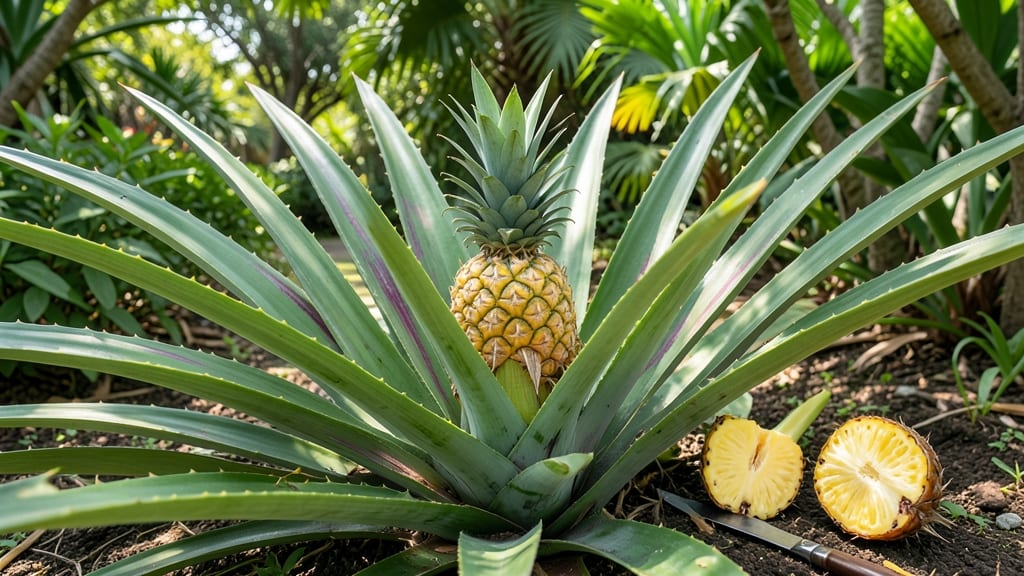
How to know when a pineapple is ready to pick can turn a sour disappointment into a sweet, juicy victory—especially if you're growing your own 🍍 in zones 10-12 or indoors year-round.
There's more to ripeness than just color—though that golden-yellow hue is a great start. The real secrets lie in subtle cues like scent, leaf texture, and even how the fruit feels in your hand.
I've tested these tricks with home-grown pineapples, and they make all the difference between a perfect harvest and one that falls short.
In this guide, I'll walk you through the three unmistakable signs that your pineapple is finally ready to pick. Whether you're a first-time grower or a seasoned tropical plant enthusiast, these tips will help you time your harvest just right for maximum flavor.
No more guessing games—just science-backed methods to ensure your pineapple tastes like summer, even if you're harvesting in fall or during cooler months. Let's get started.


3 Visual signs a pineapple is ready to harvest for maximum sweetness
Pineapples are finicky about timing—pick them too early, and you’ll end up with a tart, mealy mess. But when you nail the harvest window, you’re rewarded with a juicy, sweet fruit that’s perfect for snacking or cooking.
The key lies in three visual cues that scream "ready to go!"—and ignoring them means risking a flavor letdown. Let’s break down what to look for, why it matters, and how to avoid common mistakes that even experienced gardeners make.
First, focus on the fruit’s color. A ripe pineapple should transition from green to golden-yellow, especially on the sides facing the sun. This color shift signals that the sugars have fully developed—think of it like a natural ripening process.
However, if the fruit is still mostly green, it’s not ready yet. Even a few yellow patches aren’t enough; aim for 80% or more golden hue for peak sweetness. This rule applies whether you’re growing pineapples in containers indoors or in a tropical garden.
Next, check the leaves at the base of the pineapple. When ripe, these lower leaves will turn brown and dry out, almost like they’re withering. This isn’t a sign of disease—it’s a natural part of the ripening process.
If the leaves are still green and lush, your pineapple needs more time. Pro tip: Gently tug on one of these brown leaves. If it pulls away easily, that’s another green light for harvest.
This trick works especially well for container-grown pineapples, where you can easily access the base.
Finally, trust your nose. A ripe pineapple releases a sweet, tropical aroma at its base—almost like a mix of honey and citrus. If you don’t smell anything (or it smells sour or off), the fruit isn’t ready.
This scent is your final confirmation that the sugars are concentrated and the texture is perfect. For indoor growers, this cue is extra important since artificial lighting can sometimes delay natural scent development.
Look for 80%+ golden hue on the fruit’s sides. Avoid picking if it’s still mostly green.
Lower leaves should turn brown and crispy. Tug gently—they should pull away easily.
Sniff the base—it should smell like honey and citrus. No scent? Not ready yet.
Why do these visual cues matter so much? Color, leaf condition, and scent are all tied to the pineapple’s internal sugar content. A fully ripe pineapple has higher natural sugars and a firmer, juicier texture. Skipping these signs can lead to a sour, watery fruit that’s barely edible.
For example, I once picked a pineapple based on color alone—only to find it tasted like vinegar because the leaves were still green. Lesson learned!
If you’re growing pineapples in containers, pay extra attention to these signs since root-bound stress or nutrient deficiencies can sometimes mimic ripeness. For instance, a pineapple in a small pot might develop yellow patches due to lack of nutrients, not ripeness.
Always cross-check with the leaf test and scent before deciding to harvest. And remember: Patience is key—rushing the process ruins the payoff.
One common mistake is relying only on color. Some varieties, like ‘Sugarloaf’, stay green even when ripe, while others, like ‘Queen’, turn golden faster. That’s why the leaf test and scent are non-negotiable.
For indoor growers, use a small handheld fan to circulate air around the plant—this can enhance scent development and speed up ripening slightly. Just don’t overdo it; pineapples thrive in humid conditions.
For those in tropical climates, timing your harvest with the dry season can also improve flavor. Pineapples ripen faster in warmer, drier air, so if you’re in USDA Zone 11 or 12, aim to pick in late spring or early summer.
In cooler microclimates, like southern California or Hawaii, you might need to extend the growing season with a greenhouse to ensure proper ripening. Always monitor the three key signs regardless of location.
Lastly, don’t forget that storage life is tied to ripeness. A perfectly ripe pineapple will keep for 3-5 days at room temperature and up to 2 weeks in the fridge. But if you pick it too early, it’ll spoil faster and develop off flavors.
Mastering these visual cues ensures you’re not just harvesting a pineapple—you’re harvesting a flavor explosion that’s worth the wait. 🍍
How to test pineapple ripeness beyond the basics: the weight and leaf trick
Once you’ve checked the color and scent, it’s time to dig deeper—literally. The most reliable way to confirm ripeness is by testing the weight and leaf attachment.
A ripe pineapple feels surprisingly heavy for its size, thanks to its concentrated sugars and juices. If it feels light, it’s likely still maturing.
Grab the pineapple’s leafy crown and give it a gentle twist. If the leaves pull away easily with a slight resistance, that’s your cue—it’s ready to harvest! This happens because the fruit’s sugars break down the pith connecting the leaves to the fruit, making them detach more easily.
Here’s a pro tip: Compare two pineapples side by side. The ripe one will feel noticeably heavier and release its leaves more readily. This tactile test is especially useful for home gardeners growing pineapples in pots, where visual cues might be harder to spot.
A ripe pineapple’s leaves should twist off with a soft snap—not too loose, not too tight. If they stay firmly attached, the fruit needs more time.
🌱 Why it works: Sugar buildup weakens the stem’s grip, making leaves detach effortlessly.
Don’t overlook the base of the fruit either. Run your fingers along the bottom—ripe pineapples often develop a slightly rough texture due to natural sugar crystallization. This is another subtle clue that the fruit is ready for picking.
For indoor growers, these tests are even more critical since environmental controls (like artificial lighting) can mask natural ripening signals. Pay extra attention to the leaf test, as it’s the most reliable indicator when growing conditions aren’t ideal.
If your pineapple passes all these tests but still feels firm to the touch, it’s likely just a few days away from peak ripeness. Store it at room temperature and check back in 24 hours for that perfect balance of sweetness and texture.
🍍 Remember: The sooner you harvest after these signs appear, the sweeter and juicier your pineapple will be. Don’t wait too long, or you might end up with an overripe, mushy fruit!