
How To
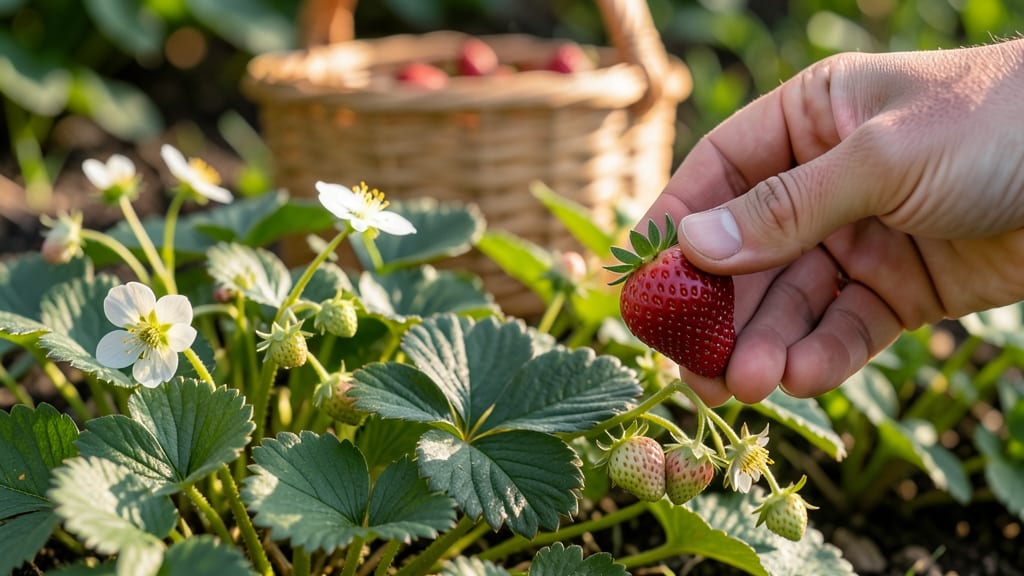
How to know when a strawberry is ripe can turn a good harvest into an extraordinary one—but most people miss the mark every time. That perfect balance of sweetness and texture comes down to more than just color, and picking too early or too late ruins the flavor. Whether you're growing your own plants in USDA Zone 6a or grabbing berries from the store, these subtle cues will help you spot the perfectly ripe fruit before it's too late.
The first clue is color, but not every strawberry variety turns the same deep red. Some stay lighter, while others develop a glossy sheen when fully ripe. Then there's texture—how the berry feels when you gently squeeze it—and that unmistakable aroma that signals peak sweetness.
I'll show you exactly what to look for, so you never pick a strawberry that's still hard or already mushy.
Even experienced gardeners sometimes make mistakes, like confusing redness with ripeness or pulling berries too soon. The key is understanding how these plants mature in June and July, when most varieties reach their prime.
With these simple tests, you'll know exactly when to harvest for that burst of flavor that makes fresh strawberries worth the wait.
Ready to transform your strawberry game? Let's dive into the three foolproof ways to tell when these juicy treats are at their absolute best—so you can enjoy them at their sweetest, every single time.


3 Color-shade tests to identify perfectly ripe strawberries
Strawberries don’t ripen after picking, so timing your harvest is everything. The color of your berries is your first clue—but not all red strawberries are ripe! Some varieties stay pale or develop white shoulders even when fully mature.
Let’s break down the three color-shade tests that guarantee sweetness, including how organic and conventional berries differ.
First, examine the cap (the green top). A ripe strawberry’s cap should be dull green, not shiny or bright. If it’s still light green or white, the berry needs more time. This is especially true for June-bearing varieties, which ripen all at once in late spring.
Next, focus on the body color. Most strawberries turn a deep red when ripe, but some heirloom varieties (like Albion) stay pale yellow. For red varieties, look for uniform color—no green patches or white streaks.
Shade-grown berries may develop a darker red hue, but their flavor won’t peak until they’re fully colored.
Here’s the trick: Gently squeeze the berry. If it yields slightly (like a ripe peach) and the color is even, it’s ready. If it’s rock-hard or mushy, it’s either underripe or overripe. This test works best in morning sunlight, when temperatures are cooler and colors appear truer.
Did you know? Organic strawberries often ripen slightly slower than conventional ones due to less synthetic fertilizer. Their colors may fade more gradually, so rely more on the scent test (we’ll cover that later!).
Also, everbearing varieties (like Seascape) produce fruit in two waves—spring and fall—so check ripeness more frequently.
Pro tip: Pick berries early in the morning when they’re coolest. This prevents bruising and ensures the sugar content is at its peak. Avoid harvesting after rain, as wet berries bruise easily and may develop gray mold.
One common mistake? Assuming all red strawberries are ripe. Some varieties (like Pink Panda) stay pale pink even when fully mature. Always cross-check with the cap color and firmness test to be sure.
Regional differences matter too! In cooler climates (like USDA Zone 5), strawberries may take longer to ripen, while warmer zones (like Zone 8) can produce ripe berries faster. Adjust your expectations based on your local last frost date.
Now that you’ve mastered the color tests, let’s talk about how to pluck them without damaging the plant or flavor. The right technique makes all the difference!
3 Color-shade tests to identify perfectly ripe strawberries
Strawberries don’t all ripen to the same shade of red—some stay bright pink, while others deepen to a rich burgundy. The color test is your first clue, but it’s not as simple as "red means ripe."
Varieties like Albion stay white, and Seascape turns a deep maroon. Start by examining the cap (hull) and the fruit body separately for accuracy.
For most red-fruited varieties, look for a uniform deep red across the entire berry. Avoid picking if you see green patches or white streaks—these indicate underripeness.
Organic strawberries often develop a brighter hue than conventional ones due to natural sunlight exposure, so don’t dismiss them just because they look "too red."
| Variety Type | Ripe Color | Key Visual Cue |
|---|---|---|
| Red Varieties (e.g., Chandler, Jewel) | Deep red 🔴 | No green patches; glossy sheen |
| White Varieties (e.g., Albion, White Soul) | Pale yellow 🟡 | Soft texture; slight blush on cap |
| Pink Varieties (e.g., Seascape, Ozark Beauty) | Deep maroon 🟪 | Dull, matte finish; no shine |
| Green Varieties (e.g., Pineberry) | Light green 🟢 | Slightly waxy; soft to touch |
Regional growing conditions also affect color. Strawberries in cooler climates (like the Pacific Northwest) may ripen to a darker red than those in hotter regions (like the Southwest), where they might stay lighter due to sun stress.
Always cross-check color with texture and scent—a berry might look ripe but still taste bland if picked too early.
Pay attention to the cap’s color too. A ripe strawberry’s cap should match the fruit’s hue or be just slightly lighter. If the cap stays green or white while the fruit turns red, the berry is overripe and past its prime.
This mismatch is a common mistake among new growers, leading to mushy, seedy strawberries.
Pro tip: Use a flashlight trick on cloudy days. Hold a flashlight under the berry to check for uniform redness—shadows can hide unripe spots. This works especially well for everbearing varieties, which produce fruit in multiple flushes and may have uneven ripening.
Finally, avoid the "all or nothing" trap. Not every berry on a plant will ripen at once. Focus on harvesting fully colored fruit first, leaving underripe ones to mature. This staggered picking extends your harvest season and ensures you always have ripe berries to enjoy.