
How To
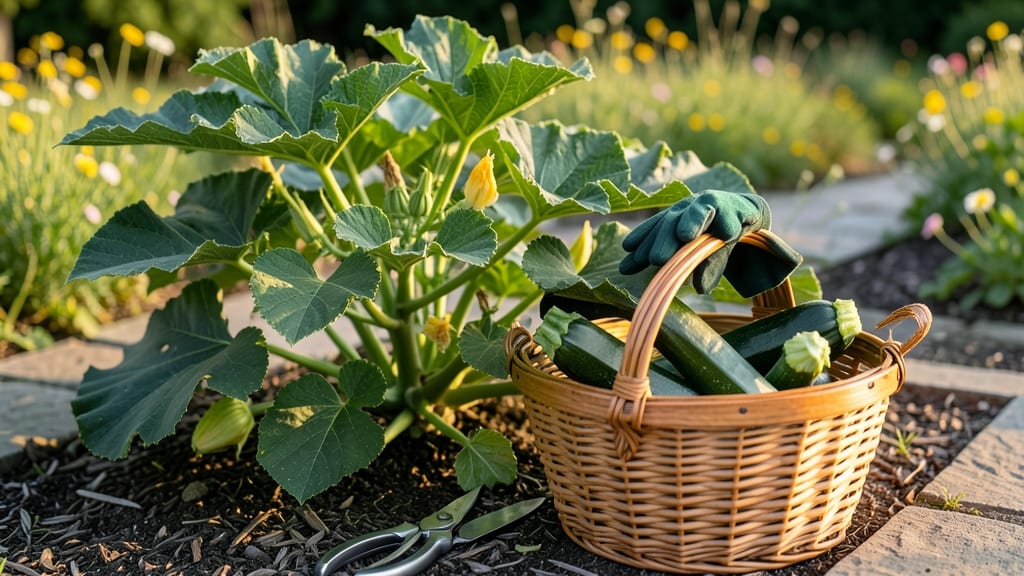
How to know when a zucchini is ready to pick can make all the difference between a crisp, flavorful harvest and a bitter, seedy disappointment. The secret lies in paying attention to three simple clues—size, color, and texture—that tell you exactly when to grab your pruners.
Most gardeners assume zucchini are ready when they’re big enough, but that’s only half the story. A truly ripe zucchini should be 6-8 inches long with a deep, even green hue and skin that resists gentle thumb pressure.
Miss these cues, and you might end up with overgrown squash that’s tough and bland.
I’ve learned the hard way that checking your plants daily during peak season (July-September in Zone 6a) is the key to success. Skipping this step means your plant will keep producing, but the quality will drop fast. Let me show you how to spot the perfect moment every time.
Once you master these tricks, you’ll not only enjoy the best-tasting zucchini but also keep your plant productive all season. And guess what? These same rules apply to other summer squash too—so you’ll be a harvesting pro in no time.
Zucchini ripeness guide: size, color, and texture checklist
Mastering the art of picking zucchini at the perfect moment transforms your harvest from mealy and bland to crisp and delicious. The three key indicators—size, color, and texture—work together like a culinary symphony.
Ignore any one of them, and you risk ending up with zucchini that’s either too small or overgrown. I’ve spent years perfecting this skill, and today, I’m sharing my foolproof method so you never miss the window again.
When it comes to size, most gardeners focus on length, but width matters too. A truly ripe zucchini should measure between 6-8 inches long and 2-3 inches wide at its thickest point. Think of it as the size of a standard baseball bat—that’s your target.
Smaller than 6 inches, and you’re dealing with immature squash that lacks flavor. Larger than 8 inches, and you’re heading toward the bitter, seedy territory.
Next up is color, which is often the easiest clue to spot. A ripe zucchini should boast a deep, even green hue with no yellowing or pale patches. The skin should look glossy, almost waxy, under bright sunlight.
If you notice uneven coloring or yellowing, that’s a red flag—your zucchini has been on the vine too long. Pro tip: Check the stem end too; it should be a vibrant green, not dull or browned.
Now for the texture test, my favorite trick for nailing the perfect harvest. Gently press your thumb against the zucchini’s skin. If it resists slightly but doesn’t dent, you’ve hit the sweet spot. When the skin gives easily under pressure, it’s not ready yet.
And if it feels rock-hard or develops a tough, fibrous texture, you’ve waited too long. This test is especially useful for bush varieties, which can ripen faster than their vining cousins.
One trick I swear by is the blossom test. After a zucchini blooms, watch for the female flower to wilt and fall off. This signals that pollination has occurred, and your zucchini will be ready to harvest in about 3-5 days.
It’s nature’s built-in countdown! For vining varieties, this method works especially well because they tend to produce fruit farther from the main stem, making them trickier to spot.
Don’t overlook the stem check either. When a zucchini is ready, the stem where it attaches to the vine should be dry and slightly woody. If it’s still green and moist, your squash needs more time.
Use clean, sharp pruners or a knife to cut the stem, leaving about 1/4 inch attached to the vine. This small detail prevents disease from entering the plant and encourages more fruit to develop.
Timing your harvests right also keeps your zucchini plant productive all season. If you let fruit grow too large, the plant diverts energy away from producing new flowers. I’ve seen gardeners go from a bounty of zucchini to almost nothing because they missed the harvest window.
The key is to check your plants every 2-3 days during peak season (July-September in Zone 6a).
For those growing yellow zucchini varieties, the same rules apply, but watch for a golden hue instead of green. The texture and size cues remain identical—just swap the color expectation.
And if you’re curious about other summer squash like cucumbers or pattypan squash, these same principles work with slight adjustments to size and color. For example, pattypans are ready when they’re 3-4 inches wide with a vibrant, bumpy skin.
Remember, the goal is to harvest before your zucchini reaches its full potential size. That’s when they’re at their peak flavor and texture. Once you’ve mastered these three checks—size, color, and texture—you’ll never again wonder if your zucchini is ready.
Your garden (and your dinner table) will thank you.
Common mistakes that make zucchini bitter or seedy
Even when you follow the perfect size, color, and texture rules, zucchini can still turn bitter or seedy if you miss subtle but critical cues. The most common mistake? Waiting just one extra day after they're ready.
What starts as a firm, tender squash can quickly develop bitter compounds and large seeds within 24-48 hours of reaching ideal size.
Another frequent error is harvesting based on flower appearance alone. While the blossom test helps predict timing, some gardeners assume any zucchini with a fallen flower is ready—only to find it still needs days to mature.
This leads to underripe fruit that's tough and flavorless, or worse, overripe squash that's past its prime.
🚨
How to Know When a Zucchini Is Ready to Pick
Don't rely on just one cue! Combine these three checks for perfect timing:
- ✅ Size: 6-8" long with 2-3" width
- ✅ Color: Deep, glossy green (no yellowing)
- ✅ Texture: Skin resists thumb pressure
- ✅ Stem: Dry and woody attachment
I've seen gardeners accidentally create seed-heavy zucchini by letting just one fruit grow too large. When this happens, the plant redirects energy toward seed production instead of new flowers.
The result? Fewer harvests and bitter-tasting squash. Even worse, some varieties develop cucurbitacin—a natural compound that makes them taste bitter when overripe.
For bush varieties, the biggest mistake is checking plants too infrequently. These compact plants produce fruit rapidly, and zucchini can go from perfect to overripe in 24 hours. I recommend inspecting bush plants every 1-2 days during peak production (July-August in Zone 6a).
Vining varieties give you slightly more leeway, but don't count on it—daily checks are still ideal.
One surprising culprit is watering habits. Overwatering or inconsistent moisture creates stress that accelerates ripening. When zucchini plants experience fluctuating soil moisture, they produce fruit faster but with poorer flavor quality.
The solution? Maintain consistent 1-2 inches of water weekly during growing season, always in the morning to prevent fungal issues.
Remember that yellow zucchini varieties follow the same rules but with one key difference: their color shifts from green to golden when ready. Many gardeners mistake this natural color change for overripeness, leading to harvests that are actually perfect.
The texture and size cues remain identical—just watch for that golden glow instead of deep green.
By avoiding these common mistakes—waiting too long, checking too infrequently, and ignoring subtle color/texture changes—you'll enjoy zucchini that's crisp, sweet, and seedless every time. The key is consistency: check daily, harvest at the perfect moment, and maintain proper growing conditions.
Your taste buds (and your neighbors asking for seeds!) will thank you.