
How To
5 Visual and physical tests to determine blueberry ripeness
Blueberries ripen quickly, so knowing the exact moment to pick ensures you enjoy their peak sweetness and juiciness. Unlike many fruits, blueberries don’t continue ripening after harvest, so timing is everything. The key is combining color cues, firmness tests, and cluster behavior to avoid underripe or overripe fruit.
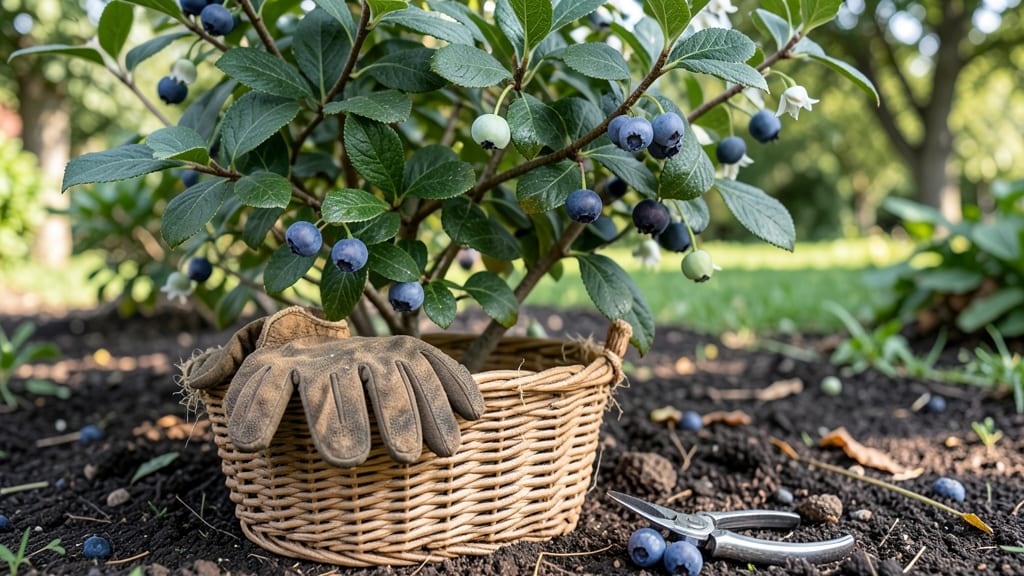
Start by examining the berry color. Ripe blueberries turn a deep, uniform blue-purple (almost black in some varieties like 'Patriot').
If berries are still red or reddish-purple, they’re not ready—this is the biggest mistake I see gardeners make. Red berries won’t sweeten after picking, so wait until they’re fully colored.
Next, test the firmness with a gentle squeeze. Ripe blueberries should feel plump but slightly soft, almost like a ripe peach. If they’re rock-hard, they’re underripe. If they’re mushy or squishy, they’ve passed their prime. This test is especially critical for early-season varieties like 'Jersey' or 'Bluecrop'.
Here’s where many gardeners overlook a key detail: the stem test. A truly ripe blueberry should detach easily from the stem with a gentle twist. If it resists, it’s not ready.
Overripe berries, on the other hand, may fall off on their own or crush when touched. This simple twist can save you from picking a batch of tart, underripe berries.
Pay attention to the cluster behavior. Ripe blueberries often form tight clusters where each berry is at the same stage. If you see a mix of red, purple, and blue berries on one cluster, pick the ripe ones first and leave the rest to mature.
This staggered ripening is common, especially in late-season varieties like 'Duke' or 'Bluejay'.
Don’t forget to check the berry size. Fully ripe blueberries are about 1/2 to 3/4 inch in diameter. Smaller berries are usually underripe, while larger ones may be overripe. Size matters because it correlates with flavor development—small berries lack sweetness, while oversized ones can be mealy.
Finally, consider the leaf and stem cues. As blueberries ripen, the leaves may start to yellow slightly or show signs of aging. The stems should also look dry and papery rather than green and fresh. These subtle clues help confirm that the plant is directing energy toward fruit maturation.
Deep blue-purple (not red or reddish).
Plump but slightly soft to touch.
Detaches easily with a twist.
Uniform ripeness across entire cluster.
1/2 to 3/4 inch in diameter.
Leaves yellow slightly; stems look dry.
One pro tip I learned from a blueberry farmer is to pick in the morning when berries are cool. This prevents crushing and makes it easier to spot ripe fruit against the dew. Avoid picking after rain, as wet berries bruise easily and can spread fungal diseases like botrytis.
If you’re still unsure, do a taste test on one berry. A ripe blueberry should be bursting with sweetness and have a slight tang. If it’s bland or overly tart, it’s not ready.
This simple test is foolproof—trust your taste buds! Remember, early-season varieties like 'Earliblue' ripen faster than late-season ones like 'Chandler'.
Now that you’ve mastered the visual and physical tests, you’re ready to harvest like a pro. The next step? Timing your picks for maximum flavor—and avoiding the pitfalls of overripe or underripe berries. 🫐
Best time of day and season to harvest blueberries for maximum flavor
Timing matters more than you might think when harvesting blueberries. The best time of day to pick is early morning, when temperatures are cooler and berries are at their peak sweetness. Avoid picking in the heat of the afternoon, as the sun can make them softer and less flavorful.
Seasonal timing also plays a crucial role. Most blueberry varieties ripen between June and August, but this can shift based on your USDA hardiness zone and local climate. Northern regions may see harvests as early as late May, while southern areas could extend into September.
Regional variations are key—cooler climates like Zone 5 often have shorter harvest windows, while warmer zones like Zone 8 may enjoy prolonged fruiting. Always check your specific variety’s expected harvest time, as some, like 'Bluecrop', ripen earlier than others like 'Jersey'.
Harvest Timeline
| Season | Best Time of Day | Ideal Conditions |
|---|---|---|
| Spring (Early) | Early morning | Cool temps, dry clusters |
| Summer (Peak) | Morning (before 10 AM) | Fully colored, firm berries |
| Fall (Late) | Early morning | Dry weather, avoid rain |
For the absolute best flavor, harvest on a dry morning after any overnight dew has evaporated. Wet berries bruise easily and can spread mold. If you must pick later in the day, do so in the late afternoon rather than midday heat to preserve quality.
Pro tip: Check your blueberries every 2-3 days during peak season. Some varieties, like 'Duke', ripen all at once, while others, like 'Bluegold', produce fruit over a longer period. This means you might need to harvest multiple times for the best yield.
Finally, always use clean, sharp scissors or your fingers to avoid damaging the plant. Twist gently to detach berries—never pull or tug, as this can harm the stem and reduce next year’s crop. With these tips, you’ll always know exactly when your blueberries are at their sweetest and juiciest! 🫐