
How To
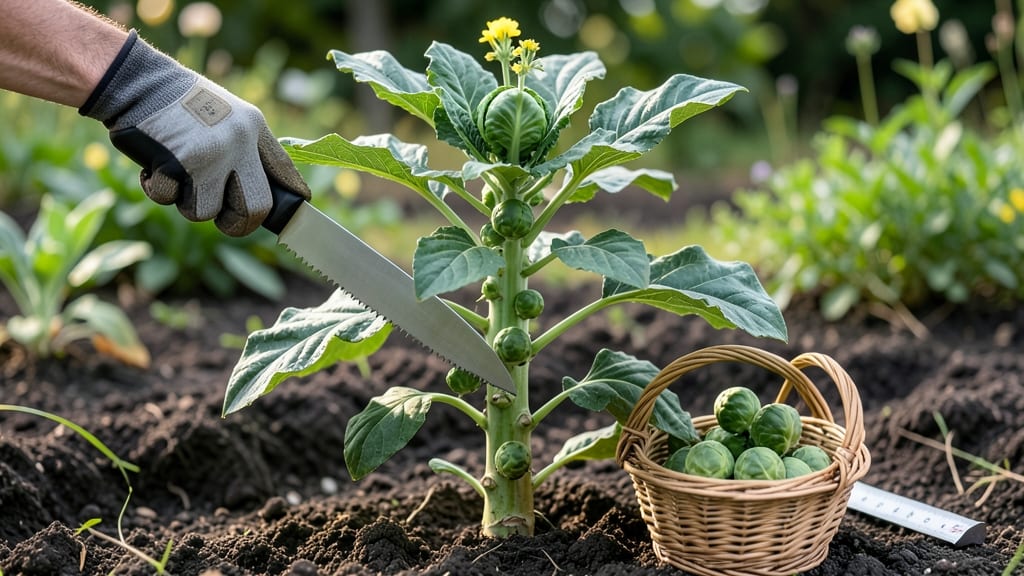
How to know when Brussels sprouts are ready to harvest can turn your garden into a treasure trove of tender, sweet buds—or leave you with bitter, woody disappointments. The difference often comes down to timing, and missing the window means losing both flavor and yield.
These little 🥦 powerhouses mature slowly, but once they reach the perfect stage, they’re worth the wait. You’ll want to watch for three key signals: size, color, and firmness.
When the buds are about 1-2 inches wide, packed tightly together, and boast a deep green or purple hue, that’s your cue to act.
Harvesting at the right moment also depends on the season—typically between October and November in Zone 6a. If you wait too long, the plant will send energy to flowering instead of producing flavorful sprouts. Let’s break down how to spot the ideal harvest window before it’s too late.
With just a little practice, you’ll become a Brussels sprout pro, picking them at peak perfection every time. The secret lies in these simple but critical checks—once you know what to look for, the rest is easy. Let’s get started.


3 Key visual clues to harvest Brussels sprouts at peak flavor
Brussels sprouts are ready to pick when they reach their sweetest, most tender stage—but missing these visual cues means tough, bitter buds. The three foolproof indicators I check are size, color, and texture.
Start by examining the lowest buds first, as they mature earliest and signal when to begin harvesting the rest.
For size, aim for buds that measure 1 to 1.5 inches in diameter. These sprouts are compact and tightly packed, with no visible gaps between leaves. If your sprouts are smaller than a ping-pong ball, they’re not ready yet—wait another week or two for full flavor development.
Color is your next clue: mature Brussels sprouts should be a deep, vibrant green (or purple, depending on the variety). Avoid harvesting when the buds still show pale green or yellowish hues, as this indicates immaturity. The deeper the color, the sweeter and more flavorful the sprout will be.
Texture matters just as much as size and color. Gently squeeze a bud—it should feel firm yet slightly yielding, like a ripe avocado. If it feels hard and woody, it’s overripe and past its prime. Overly soft sprouts may be too mature and bitter, so timing is everything.
Don’t overlook the stem end—a telltale sign of readiness is when the green stem at the base of the bud starts to disappear. If you still see a bright green stem, the sprout isn’t mature enough.
This is especially critical for varieties like Long Island Improved or Ruby, which can turn woody if left too long.
Pro tip: Check your plants every 3-5 days once they near maturity. Brussels sprouts mature from bottom to top, so harvesting the lowest buds first encourages the plant to produce more at the top. This staggered approach ensures a continuous harvest and maximizes your yield.
If you’re growing dwarf varieties (like Tasty-Tops), they’ll mature slightly earlier—often in 80-90 days—while standard varieties take 90-120 days. Keep track of your planting date and cross-reference it with these visual cues for the best results.
One common mistake I see is waiting until the entire plant turns yellow. By then, the buds are often overripe and tough. Instead, focus on the individual buds and harvest them as soon as they meet the size, color, and texture standards.
This way, you’ll enjoy sweet, crisp sprouts all season long.
For extra flavor, consider harvesting in cool weather (ideal temps are 45-65°F). The cold nights of fall enhance their natural sweetness, making them a garden favorite. Just be sure to harvest before the first hard frost, or the plant may suffer damage.
Remember: The key to perfect Brussels sprouts is consistency. Check your plants regularly, and don’t hesitate to harvest once they meet these criteria. The sooner you pick them at peak ripeness, the more delicious your harvest will be!
3 Key visual clues to harvest Brussels sprouts at peak flavor
Brussels sprouts reach their sweetest, most tender state when harvested at the right moment. The three foolproof indicators—size, color, and texture—will help you avoid tough, bitter buds. Start checking your plants about 90 days after transplanting, when the lower buds begin forming.
First, look for buds between 1-2 inches in diameter. These should feel firm and compact, not loose or floppy. Smaller sprouts (under 1 inch) are still developing, while larger ones (over 2 inches) can become woody and tough.
Next, examine the color and uniformity of the buds. Mature sprouts should be a deep, vibrant green or even purple, depending on the variety. Avoid picking buds with yellowing or brown spots, as these indicate overmaturity or damage.
Size Check
Look for 1-2 inch buds that feel firm and compact. Smaller = underdeveloped; larger = woody.
Color & Uniformity
Deep green or purple hues signal maturity. Avoid yellowing or brown patches—these mean overripeness.
Stalk & Leaf Signals
Yellowing lower leaves and a woody stalk confirm readiness. Check buds from bottom to top.
Don’t forget to inspect the plant’s lower leaves. When they start turning yellow and crispy, it’s a clear sign that the buds above are ready. This natural die-back redirects energy to the sprouts, ensuring peak flavor. Always harvest from the bottom up to extend the plant’s productivity.
Pro tip: Gently squeeze a bud to test firmness. It should feel solid but not rock-hard. If it squishes easily, it’s overripe. For the best results, harvest on a cool, dry morning when buds are crispest.
Timing is everything—harvest too early, and you’ll miss out on sweetness; too late, and you’ll deal with tough, bitter sprouts. Master these visual cues, and you’ll enjoy homegrown Brussels sprouts that rival any market find. 🥦