
How To
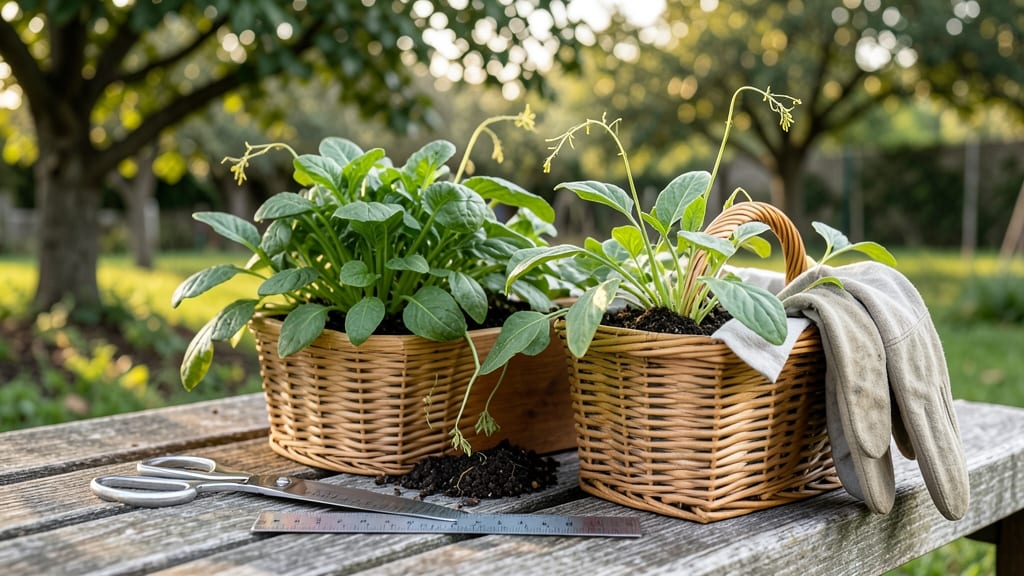
There’s nothing worse than biting into a leaf of 🥬 spinach that’s either too tough or bitter—but knowing how to know when to harvest spinach is the secret to avoiding that disappointment.
Most gardeners miss the simple clues that tell you exactly when to pick it, yet the difference between a perfect harvest and a wasted crop often comes down to leaf size, color, and texture. I’m about to show you how to spot them like a pro.
You might think spinach is spinach, but timing your harvest makes all the difference. Whether you’re growing baby leaves for salads or full-sized greens for sautéing, knowing when to snip ensures your crop stays tender and flavorful.
Let’s break down the visual and sensory cues that’ll transform your harvest from “eh” to “chef’s kiss.”
Spring and fall are the prime seasons for spinach, but even the best-growing plants can go from perfect to past-their-prime in a matter of days. The key is learning to read your plants—think leaf width, stem thickness, and even the way they taste when you test a bite.
Trust me, once you master these tricks, you’ll never second-guess your harvest timing again.
Ready to turn your spinach patch into a steady supply of fresh, vibrant greens? I’ll walk you through the exact signs to watch for, plus how to avoid common mistakes that ruin your crop. Let’s get started—your next perfect harvest is just a few leaves away.


Spinach leaf size and color: exact visual cues for perfect harvest timing
Harvesting spinach at the right moment transforms your garden bounty from mediocre to exceptional. The key lies in understanding leaf dimensions, color shifts, and stem thickness—each revealing whether your spinach is baby-tender or overripe.
I’ve grown spinach for years, and these visual cues have saved me from bitter harvests and wasted plants.
For baby spinach, timing is everything—these tiny leaves pack the most nutrients and delicate flavor. Look for leaves measuring 2-3 inches wide and 3-5 inches long. Their color should remain a vibrant bright green, with no yellowing or wilting.
The stems should be as thin as a pencil, indicating they haven’t had time to toughen.
Mature spinach, on the other hand, demands a different approach. Aim for leaves that stretch to 4-6 inches wide and 6-10 inches long. These larger leaves should boast deep green veins with just a hint of yellowing at the edges—a sign of natural maturity, not stress.
The stems here thicken to about quarter-inch in diameter, a clear indicator of readiness.
Here’s the golden rule: Always harvest outer leaves first. This practice encourages continuous regrowth from the plant’s center, giving you a longer harvest window. For baby spinach, simply snip the outer leaves with clean scissors, leaving the inner leaves to mature.
For mature spinach, you can cut the entire plant 2 inches above the base, allowing new growth to sprout.
| Leaf Type | Ideal Width | Ideal Length | Color Indicators | Stem Thickness | Harvest Method |
|---|---|---|---|---|---|
| Baby Leaf | 2-3 inches | 3-5 inches | Bright green, no yellowing | Thin (pencil-sized) | Snip outer leaves |
| Mature Leaf | 4-6 inches | 6-10 inches | Deep green veins, slight yellow at edges | Medium (quarter-inch) | Cut entire plant 2 inches above base |
Color is your best friend when harvesting spinach. A vibrant green hue signals peak freshness, while yellowing leaves or brown edges are red flags. Yellowing often indicates overmaturity or nutrient deficiency, while brown edges can point to underwatering or heat stress.
If you notice these signs, adjust your care routine immediately to salvage future harvests.
Seasonal shifts also play a role in spinach’s appearance. In spring, cooler temperatures keep leaves tender and sweet, while fall harvests often yield slightly larger, heartier leaves.
Pay attention to your local climate: hot summers can cause spinach to bolt prematurely, so focus on spring and fall plantings for the best results.
One mistake I see often is waiting until spinach leaves are too large before harvesting. By the time they reach 10+ inches, the texture becomes fibrous and the flavor bitter.
Instead, aim for that sweet spot of 4-6 inches—this ensures your spinach stays tender and packed with nutrients. Trust me, your taste buds will thank you!
Pro tip: Use a small ruler or measuring tape to check leaf sizes if you’re unsure. This simple tool can save you from over-harvesting or under-harvesting, ensuring your spinach stays at its best.
And always harvest in the morning when leaves are cool and crisp—this guarantees the best flavor and texture.
Spinach leaf size and color: exact visual cues for perfect harvest timing
Determining the perfect moment to harvest spinach comes down to two key factors: leaf dimensions and color indicators. Baby spinach leaves hit their sweet spot at 3-5 inches long with a 2-3 inch width, while mature leaves should reach 6-10 inches long and 4-6 inches wide.
These measurements ensure you're harvesting at peak tenderness without letting the leaves become tough or bitter.
The color of your spinach leaves also serves as a visual harvest timer. For baby leaves, look for a uniform bright green with no yellowing at the edges.
Mature leaves should show deep green veins with just a touch of yellowing along the leaf margins—this signals they've reached their ideal flavor profile. Any more yellowing than that means your spinach is past its prime.
| Leaf Type | Ideal Width | Ideal Length | Color Indicators | Stem Thickness | Harvest Method |
|---|---|---|---|---|---|
| Baby Leaf | 2-3 inches | 3-5 inches | Bright green, no yellowing | Thin (pencil-sized) | Snip outer leaves |
| Mature Leaf | 4-6 inches | 6-10 inches | Deep green veins, slight yellow at edges | Medium (quarter-inch) | Cut entire plant 2 inches above base |
Don't overlook the stem thickness as another key indicator. For baby leaves, stems should be as thin as a pencil, while mature leaves should have stems about quarter-inch thick. Thicker stems mean the leaves are past their prime and may develop a woody texture.
Always harvest by cutting or snipping rather than pulling leaves—this prevents damaging the plant's root system and encourages continuous growth.
For spring harvests, aim to pick your spinach when daytime temperatures stay below 75°F. In cooler fall months, you can extend your harvest window until the first frost.
The early morning is the best time to harvest because leaves contain the highest concentration of nutrients and moisture, making them crisp and flavorful.
If you're growing spinach in containers, check the leaves every 2-3 days since they grow faster in warm soil. Container-grown spinach often bolts quicker, so keep a close eye on those flower stalk signals—they're your last warning before the plant stops producing edible leaves.
For in-ground spinach, you can typically harvest every 7-10 days throughout the growing season.
Remember that seasonal variations affect harvest timing. Spring spinach often reaches maturity faster due to cooler temperatures, while fall-grown spinach may take slightly longer. Always adjust your harvesting schedule based on the current growth rate rather than relying solely on calendar dates.
The goal is to harvest when the leaves are tender, flavorful, and vibrant—not when they hit an arbitrary size.