
How To
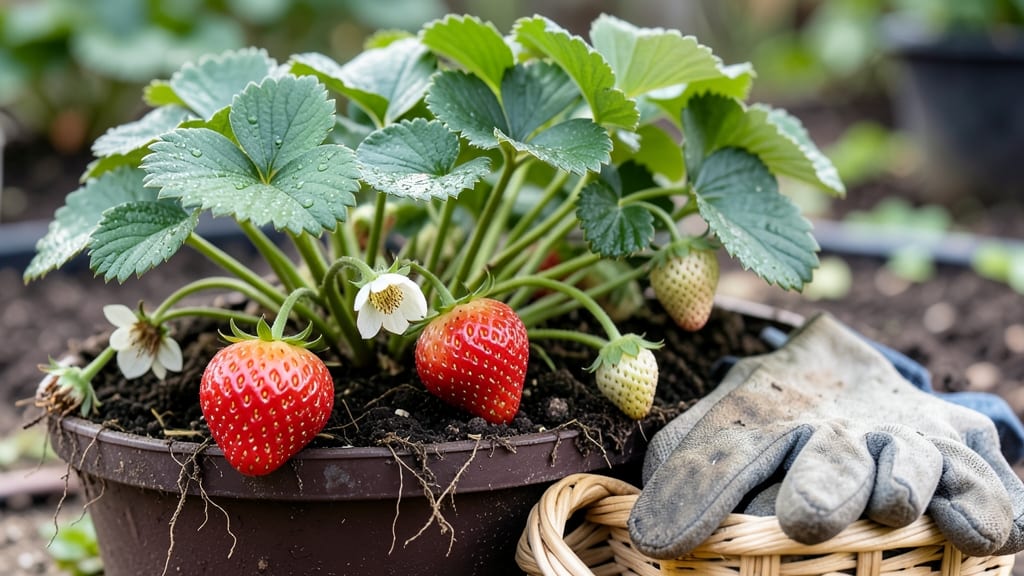
How to know when to pick a strawberry can turn a good harvest into a truly rewarding one—or leave you with bland, underripe fruit. The difference often comes down to subtle cues most gardeners miss, like color shifts and texture clues that reveal peak sweetness.
I’ve learned the hard way that waiting for deep red isn’t always the best strategy (some varieties never get that vibrant!). Instead, focus on how the berry feels, smells, and even detaches from the plant.
These 3 simple tricks will help you avoid the common mistake of picking too early or too late.
Whether you’re growing June-bearing or everbearing strawberries, timing matters. A berry that’s just right will be plump, fragrant, and ready to burst with flavor—while one picked too soon will taste dull and firm. Let’s break down the exact signs to look for so you never miss the sweetest moment.
From the backlight test to the stem twist check, these methods work for gardeners in USDA Zone 6a and beyond. By the end, you’ll know exactly when that 🍓 is begging to be picked—and when to leave it on the vine a little longer.


Strawberry ripening stages by color: what each hue really means
Strawberries don’t ripen overnight—they go through distinct color stages that reveal their true sweetness. Understanding these shifts helps you pick at peak flavor instead of guessing. Most gardeners focus only on red, but green, white, and even yellow berries have their own stories to tell.
The journey starts with green strawberries, which are firm and tart. These aren’t ready to eat—they’re still developing starches. Next comes the white or pale green phase, where sugar production ramps up but texture remains firm.
Finally, the deep red, yellow, or white hues (depending on variety) signal ripeness, but not all colors mean the same thing.
Here’s the key: Regional variations matter. In cooler climates like USDA Zone 6a, strawberries may stay white or pale before turning red. Meanwhile, in warmer zones, they might develop a deep red blush faster. Even everbearing varieties ripen differently than June-bearing types.
Don’t overlook the cap (hull) color either. A green cap on a red berry often means it’s still ripening, while a brown or slightly dried cap suggests it’s ready. These subtle clues separate homegrown perfection from store-bought mediocrity.
🌱 Strawberry Ripening Stages by Color
| Stage | Color | Ripeness Level | Harvest Ready? |
|---|---|---|---|
| 1 | Green | Unripe (starchy, tart) | ❌ No |
| 2 | White/Pale Green | Partially ripe (sugars forming) | ⚠️ Maybe (check other signs) |
| 3 | Deep Red/Yellow/White | Fully ripe (peak sweetness) | ✅ Yes |
| 4 | Dark Red with Brown Cap | Overripe (soft, seedy) | ❌ No (unless preserving) |
Pro tip: If your strawberries turn white before red, they might be a white or yellow variety like 'Pineberry' or 'Golden Jubilee.' These are just as sweet but ripen differently. Always check the cap’s condition—a dry, slightly curled cap means it’s ready to pick.
Temperature also affects color. In hot climates, strawberries may ripen faster and develop a darker red hue sooner. Conversely, in cooler zones, they might stay pale longer. Pay attention to your local microclimate—it’s the secret to consistent perfect picks.
One common mistake? Assuming all strawberries ripen the same way. June-bearing varieties produce one big harvest, while everbearing types fruit in waves. Even within the same plant, berries ripen at different times—so check them every 2-3 days during peak season.
For container-grown strawberries, ripening can be slower due to limited root space. If your potted plants are taking longer to color up, try adding compost or using a balanced fertilizer (like 10-10-10) to boost sugar development without overfeeding.
Remember: Color alone isn’t enough. Combine it with the texture test (a slight give when pressed) and the taste test (if possible). Your garden’s strawberries should burst with flavor—not just look pretty.
3 Proven color-check tricks to pick strawberries at peak flavor
Don't rely solely on color—some strawberries hide their ripeness behind green caps or uneven coloring. These three field-tested tricks reveal the real sweetness beneath the surface, ensuring you never pick a berry too early or too late.
First, try the backlight test: Hold a berry up to sunlight and look through it. If you see green flecks or uneven color inside, it's not ready. Fully ripe berries will appear uniformly translucent with no green shadows.
Next, master the cap separation technique. Gently twist the berry's calyx (leafy top). If it detaches easily with a slight tug, the fruit is ripe. Resist the urge to pull hard—this can damage the plant.
For stubborn berries, use the stem twist check. Grasp the berry's stem near the plant and twist gently. A ripe strawberry will separate cleanly from the plant, while unripe ones will stay attached or snap off with the stem.
Hold berry to sunlight—no green shadows = ripe
Twist calyx—easy removal = perfect ripeness
Gentle twist—clean separation = harvest time
What if your berries look ripe but taste bland? This often means they've been overripe on the vine. Check for shriveled leaves above the berry or a sour aroma—these are red flags. For everbearing varieties, pick every 2-3 days to prevent overripening.
Pro tip: Harvest in the cool morning hours when sugars are most concentrated. Avoid picking after rain—wet berries dilute flavor and invite rot. Store freshly picked strawberries in the fridge for up to 3 days to preserve their peak taste.
🍓