
How To
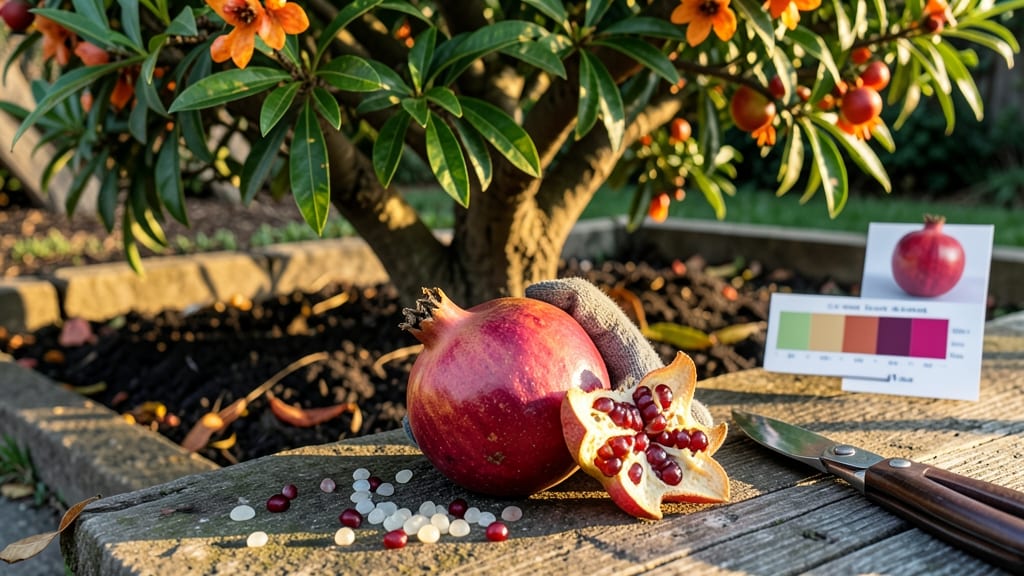
Knowing how to know when to pick a pomegranate can mean the difference between juicy, flavorful fruit and tough, underripe disappointments.
The right moment arrives when the skin deepens to a rich crimson and the fruit feels surprisingly heavy for its size—but how do you spot these signs before harvest season slips away?
Most gardeners miss the perfect window because they rely on guesswork rather than clear visual cues. That’s why I’ll break down the three key indicators that tell you your pomegranate is ready to harvest, so you never pick too early or leave fruit hanging too long.
These simple checks will save you from wasted effort and ensure you enjoy the sweetest, most vibrant harvest possible.
From the way the rind changes color to how the fruit responds when you gently press it, these subtle clues are your secret to timing the harvest just right.
Whether you’re in USDA Zone 6a or another region, understanding these signals will help you avoid common mistakes and make the most of your pomegranate’s growing season.
Ready to transform your harvest from good to perfect? Let’s dive into the exact steps you need to know before reaching for that first 🍇—because once you master these cues, you’ll never second-guess your timing again.


3 Essential visual cues to identify ripe pomegranates
Pomegranates don’t ripen like tomatoes or peaches—they mature gradually, and missing the perfect harvest window means either tart, underripe fruit or overly sweet, mealy seeds. The key lies in three visual and tactile cues that reveal when your pomegranate is ready to pick.
I’ve learned these tricks after years of trial-and-error harvesting, and they’ll save you from the frustration of picking too soon or too late.
First, pay attention to the fruit’s color. Unripe pomegranates start green or pale pink, but when they’re ready, the rind turns a deep, glossy crimson or burgundy. This isn’t just any red—it’s a rich, almost jewel-toned hue that signals the seeds inside have reached peak sweetness.
Think of it like the difference between a ripe apple and one that’s still firm and green.
Next, check the skin texture. A ripe pomegranate’s skin should feel firm but slightly leathery, almost like a well-worn leather glove. If it’s hard and resistant to gentle pressure, it’s not ready yet.
Overripe fruit, on the other hand, may feel soft or slightly wrinkled, and the skin might even split open. This is your clear warning to harvest before the birds or squirrels beat you to it.
Here’s where many gardeners go wrong: they assume size alone means ripeness. But a pomegranate can be fully grown in size while still underripe. The secret is in the weight-to-size ratio. A ripe pomegranate feels surprisingly heavy for its size—almost like it’s packed with dense, juicy seeds.
Hold one in each hand and compare: the ripe one will feel noticeably heavier than its unripe counterpart.
Look for a rich, glossy red (not dull pink). Overripe fruit may develop cracks or splits.
Press gently—ripe skin yields slightly but doesn’t dent. Hard = underripe; soft = overripe.
A ripe pomegranate feels dense and weighty. Shake it gently—you should hear seeds sloshing inside.
Don’t overlook the stem and leaves either. When the pomegranate is ready, the stem will separate easily from the fruit with a slight twist—this is nature’s way of telling you it’s time to pick.
The leaves near the fruit may also start to yellow slightly or drop, signaling the plant is redirecting energy to seed maturation. This is your final green light to harvest.
One common mistake I see is picking pomegranates based on calendar dates alone. While most varieties ripen between late September and November, climate and variety play huge roles.
For example, ‘Wonderful’ pomegranates (the most popular variety) typically ripen 2-3 weeks earlier than ‘Eversweet’. Always trust the fruit’s cues over the calendar.
Pro tip: If you’re unsure, pick a few fruits early and let them ripen indoors. Place them in a cool, dry spot (like a pantry) and check them every few days. The ones that develop the deepest color first are your winners—and you’ll know exactly when to harvest the rest.
Finally, remember that pomegranates don’t ripen further after picking. Unlike bananas or avocados, you can’t leave them on the counter to soften. Once you pick them, they’re at their peak flavor and texture.
So when you see all three cues—deep color, leathery skin, and weighty feel—grab your pruners and harvest before the birds do.
3 Essential visual cues to identify ripe pomegranates
Pomegranates reveal their ripeness through subtle but unmistakable visual signals. The first clue is the fruit's color, which shifts from green to deep red or burgundy. Immature pomegranates often stay green or pinkish, while ripe ones develop a rich, vibrant hue—like a sunset over ripe tomatoes.
This color change typically happens in late summer to fall, depending on your climate.
Next, examine the skin texture. A ripe pomegranate’s rind should feel firm but slightly leathery—not hard like an unripe fruit nor soft and mushy. Run your thumb gently over the surface: if it resists slight pressure without denting, it’s likely ready.
Avoid fruits with wrinkled or cracked skin, as these may be overripe or damaged.
Don’t overlook the stem and leaves near the fruit. A ripe pomegranate’s stem should separate easily from the branch when gently twisted—this is called "abscission." Additionally, nearby leaves may yellow slightly or drop, signaling the plant’s natural shift toward dormancy.
If the stem resists or the fruit feels hollow when tapped, it’s not yet ready.
One pro tip: Shake the fruit gently near your ear. A ripe pomegranate produces a deep, hollow sound (like a drum), while an unripe one sounds dull.
This trick works best when combined with the other cues. Overripe fruits may leak juice or feel overly soft, so act quickly once you spot these signs.
Timing matters most in cooler climates. If frost threatens before your pomegranates ripen, harvest them slightly underripe—they’ll continue ripening indoors. Store them in a cool, dark place for 1-2 weeks to finish maturing. In warmer zones, wait until the first frost warning to ensure full sweetness.
Remember: Patience pays off. Pomegranates won’t ripen further once picked, so wait for all three cues—color, texture, and weight—to align. Missed the window? Don’t worry—even slightly underripe pomegranates can be stored and enjoyed later with proper care.