
How To
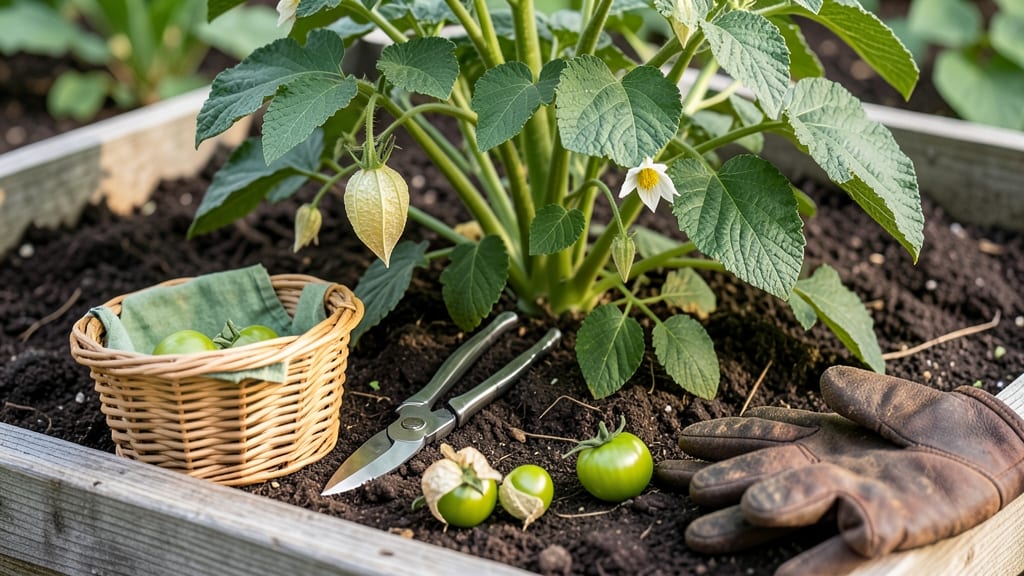
Tomatillo ripeness by color: the 3-Stage guide to perfect harvest timing
Tomatillos change color dramatically as they ripen, and understanding these shifts is your first step to harvesting perfect fruit. Unlike tomatoes, which turn red, tomatillos progress from bright green to yellow-green, and finally to pale yellow or light brown when fully ripe.
Each stage offers unique flavor profiles and uses, so timing matters.
For the best flavor, aim to pick tomatillos when their husks turn from green to light brown and feel papery to the touch. This stage ensures the fruit inside is pale green, firm, and packed with sweet-tart flavor.
If you wait too long, the husks may dry out completely, and the fruit can become mealy or bitter.
Here’s how to identify each ripeness stage by color and what it means for your harvest:
| Stage | Husk Color | Fruit Color | Firmness | Best For |
|---|---|---|---|---|
| Underripe | Bright green | Dark green | Hard | Discard or wait |
| Perfectly Ripe | Light brown, papery | Pale green | Firm | Salsas, stews, fresh eating |
| Overripe | Dry, brittle | Yellowish | Soft, mealy | Cooking only (flavor declines) |
Pay special attention to the husk color, as it’s the most reliable indicator of ripeness. A light brown husk signals that the fruit inside is ready to eat. If the husk is still green, the fruit is underripe and will taste bitter or bland.
Conversely, if the husk is completely dry and brittle, the tomatillo inside may be overripe and lose its crisp texture.
Pro tip: In cooler climates, tomatillos may ripen more slowly. If your growing season is short, harvest when the husks are light brown but still slightly green—this ensures you get a flavorful crop before the first frost.
Store them in a cool, dry place for up to a week if needed.
For heirloom varieties like 'Purple Streak' or 'Green Streak,' the color cues are slightly different. These types may develop purple or yellow streaks as they ripen, but the husk should still turn light brown. Always prioritize husk color over fruit color for accuracy.
Harvesting at the right color stage isn’t just about taste—it also affects storage life. Ripe tomatillos store better and last longer in your kitchen, whether you’re making salsa verde or freezing them for later use.
A perfectly ripe tomatillo should feel firm but yield slightly when gently squeezed—a balance that’s key to great flavor.
One common mistake is waiting until the husk is fully dry before picking. By then, the fruit inside may have lost its vibrancy and become mealy or bland. Instead, aim to harvest when the husk is light brown and papery, but still intact.
This ensures you get the sweet-tart flavor that makes tomatillos so versatile in cooking.
🌱
Tomatillo ripeness by color: the 3-Stage guide to perfect harvest timing
Tomatillos don’t ripen like tomatoes—their color changes dramatically, signaling when they’re ready for harvesting. The husks (the papery outer covering) and the fruit itself go through three distinct stages, each with its own flavor profile and ideal use.
Knowing these stages helps you avoid bitter or mealy tomatillos that ruin your salsa or stews.
First, focus on the husks. When they’re still bright green and tightly wrapped, the tomatillos inside are underripe. This stage is common in early summer, especially in cool climates.
The fruit will taste harsh and unpleasant, making it unusable for cooking. Patience is key—wait until the husks start to lighten and feel dry to the touch.
Next comes the transition stage, where husks turn yellowish-brown and begin to loosen. This is the sweet spot for most recipes, including salsa verde and quesadillas.
The fruit inside will be pale green and firm, with a tangy-sweet flavor. If you harvest at this stage, you’ll get the best balance of texture and taste.
Finally, overripe tomatillos develop purplish-brown husks that crumble easily. While the fruit inside may still be edible, it often becomes soft and mealy, losing its bright acidity.
Overripe tomatillos work best in soups or stews, where their texture can blend in, but they’re rarely ideal for fresh dishes.
🌱 Tomatillo Ripeness Summary
| Stage | Husk Color | Fruit Color | Firmness | Best For |
|---|---|---|---|---|
| Underripe | Bright green | Green | Hard | Discard |
| Perfect | Yellow-brown | Pale green | Firm | Salsa, quesadillas |
| Overripe | Purplish-brown | Green-yellow | Soft | Soups, stews |
Pro tip: Harvest in the morning when temperatures are cool. This ensures the tomatillos are at their freshest and firmest, making them easier to handle. If you’re unsure about the color, twist the stem gently—it should snap cleanly if the tomatillo is ready.
Avoid pulling too hard, as this can damage the plant.
Color isn’t the only clue—size and firmness also play a role. A 1-2 inch diameter is ideal for most varieties, but heirloom tomatillos can take longer to reach this size. If you’re growing in a high-altitude climate, expect a slightly delayed ripening process due to cooler temperatures.
Remember, tomatillos don’t ripen after picking, so timing is everything. Once you master these color cues, you’ll never second-guess your harvest again—just imagine the flavor boost in your next batch of homemade salsa! 🌿