
How To
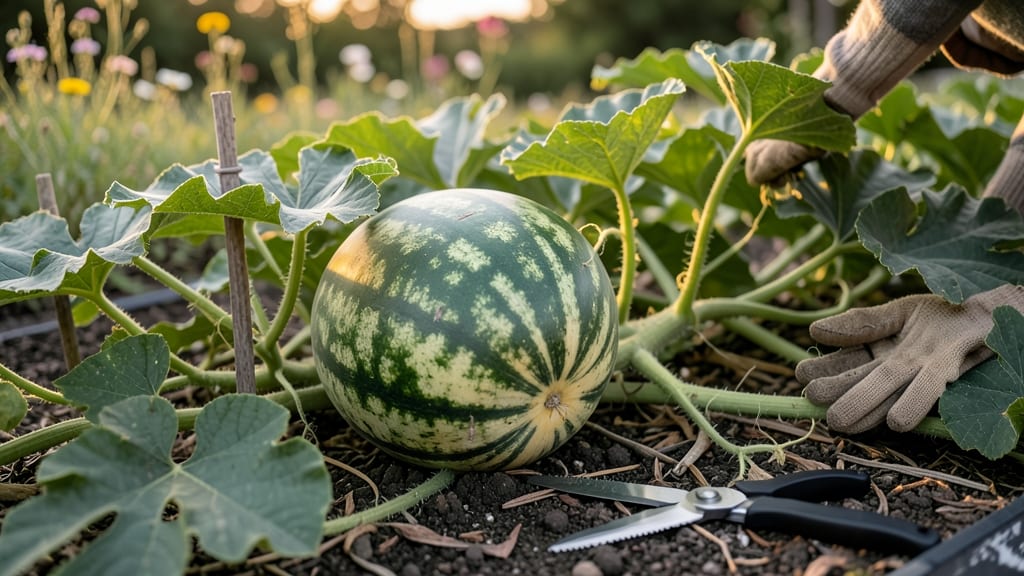
How to know when to pick a watermelon from your garden can turn a guessing game into a sweet victory—or leave you with a bitter disappointment. The difference between a juicy, flavor-packed slice and a mealy, underripe mess often comes down to timing, and missing the window means wasted effort.
I’ve learned the hard way that visual cues like a deep, creamy rind color or a dried tendril aren’t always enough—especially in hotter climates where watermelons ripen faster.
But there’s a science to it, and once you master the thump test, firmness check, and scent clues, you’ll never second-guess your harvest again.
Whether you’re growing seedless varieties or heirloom types, this guide breaks down the exact signals to watch for—plus what to do if your melon is overripe or still too green. Let’s make sure your next slice is the juiciest, sweetest reward for your gardening efforts.
From the first signs of ripeness in early summer to troubleshooting tricky conditions, you’ll gain the confidence to pick at the perfect moment—every single time.

5 Proven visual and physical cues to check before picking watermelon
Watermelons don’t come with expiration dates, so learning to read their ripeness signals is key to avoiding bland, underripe or overripe, mushy fruit. Start by examining the curly tendril near the stem—this is your first clue.
When it turns brown and crispy, the melon is ready. Ignore the smaller tendrils on the vine; they’re not reliable indicators.
Next, check the field spot—the yellowish patch where the melon rested on the ground. A creamy white or buttery yellow spot means sweetness, while pale or green spots signal underripeness. This spot develops as the melon matures, so wait until it’s fully yellowed before picking.
Now, press your thumbnail into the rind near the field spot. If it doesn’t dent, the melon is firm and ripe. A dent means it’s still too soft and needs more time. Pro tip: Avoid pressing near the stem—this area stays tougher longer, giving a false sense of ripeness.
Listen for the hollow-sounding thump when you tap the melon with your knuckles. A ripe watermelon produces a deep, resonant "thwack", while an unripe one sounds dull. This test works best in warm, sunny conditions—cool mornings can make melons sound hollow prematurely.
Finally, inspect the rind color and pattern. Deep, uniform stripes or spots indicate ripeness, while faded or uneven coloring means it’s not ready. For varieties like yellow-fleshed watermelons, the rind may stay lighter, so rely more on the tendril and thump test.
Avoid the common mistake of picking based on size alone—some watermelons stay small but pack maximum sweetness, while others grow large but remain underripe inside. For example, heirloom varieties like 'Moon and Stars' ripen slower and may need 10-15 extra days on the vine compared to hybrids.
Climate plays a role too. In hot, dry regions, watermelons ripen faster, so check them every 2-3 days once they’re near size. In cooler climates, extend the waiting period by 5-7 days—the slower ripening preserves sugar content.
Always harvest on a dry, sunny morning to prevent rot during storage.
If you’re unsure, cut one open to test—then use the results to refine your future picking strategy. Over time, you’ll develop an eye for the perfect visual and tactile cues that mean sweet, juicy success every harvest. 🍉
The ultimate watermelon ripeness checklist: when to harvest for maximum sweetness
Timing your watermelon harvest isn’t just about size—it’s about combining visual cues, tactile tests, and even scent to ensure peak sweetness.
I’ve learned that hybrid varieties like 'Sugar Baby' ripen faster than heirloom types such as 'Moon and Stars', so your approach must adapt based on what’s growing in your garden.
Start by combining all the tests from our previous cues: the brown tendril, creamy field spot, and hollow thump. But don’t stop there—add the scent test.
A ripe watermelon releases a sweet, musky aroma near the stem when gently squeezed. This fragrance develops as sugars concentrate, so if you smell nothing, wait a few more days.
🍉 How to Know When to Pick Watermelon from Garden
💡 Pro Tip: Use a sharp knife to cut the stem (don’t pull)—this prevents damage to the vine and ensures cleaner fruit.
Climate significantly impacts ripening speed. In hot, dry regions like Arizona or Texas, watermelons can go from green to ripe in just 70-75 days, so I check them every 2-3 days once they’re near full size.
In cooler climates like the Pacific Northwest, extend your waiting period by 5-7 days—the slower ripening actually increases sugar content.
Don’t overlook the stem test either. A ripe watermelon’s stem should dry out and snap easily when pulled gently. If it resists, the melon needs more time. This is especially critical for seedless varieties, which often ripen more slowly than traditional types.
Finally, harvest on a dry, sunny morning to prevent rot during storage. Use a sharp knife or pruners to cut the stem cleanly, leaving about 1-2 inches attached to the fruit. This helps preserve freshness and prevents the melon from absorbing moisture through the cut stem.
With these steps, you’ll never guess again—just slice into sweet, juicy perfection every time your watermelons are ready. The key is patience and attention to detail, but the reward is always worth it. 🌞