
Companion Plants
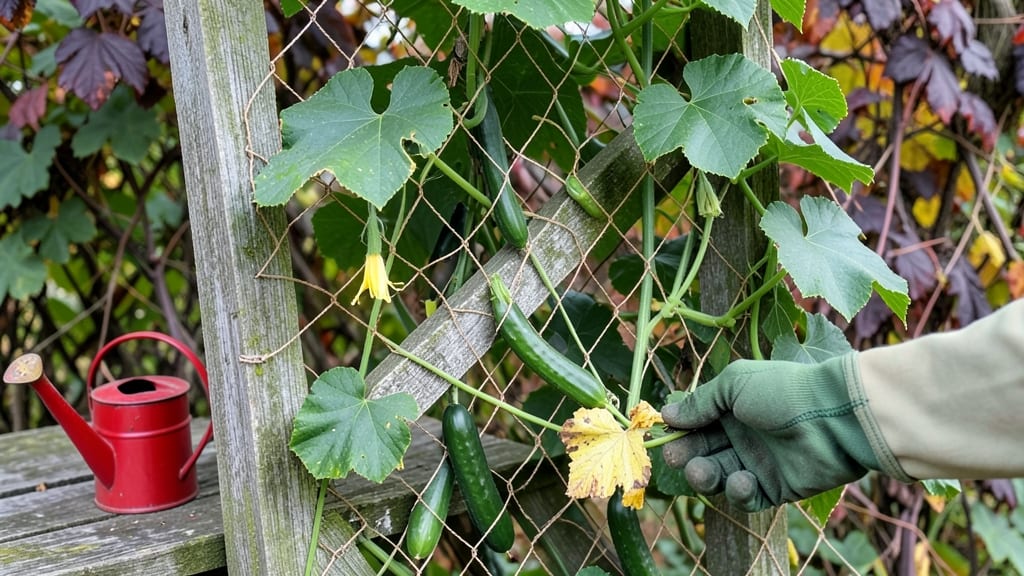
How to maintain cucumber plants requires full sun and consistent care—skimp on either, and you’ll end up with bitter, stunted plants instead of crisp, sweet harvests. 🌿 I’ve grown cucumbers for years, and the difference between a struggling vine and a productive one comes down to three key habits: watering deeply but not drowning roots, pruning strategically to boost airflow, and keeping pests at bay before they take over.
The biggest mistake? Letting vines sprawl uncontrolled or watering on a whim. Cucumbers crave at least 6-8 hours of sunlight daily and 1-2 inches of water per week, but too much moisture invites disease.
I prune mine weekly to remove yellow leaves and encourage bushier growth—this alone doubled my harvest last summer. The secret’s in the balance: enough water to keep soil moist (not soggy), enough pruning to prevent crowding, and enough space for air to circulate.
By midseason, your plants should be bursting with vines and flowers, and with the right care, you’ll harvest pounds of cucumbers from one plant. The key is consistency—stick to the routine, and you’ll avoid the most common pitfalls like powdery mildew or blossom-end rot.
Even if you’ve struggled before, these tweaks make all the difference.
Works for both bush and vining varieties, whether you’re growing in containers or a raised bed. Here’s how to keep them thriving all season long—no guesswork, just results. Let’s get those vines producing!
📚 In This Guide
- What you need
- Instructions
- Tips and common mistakes
- Wrapping up and next steps
What you need
- ● Cucumber seeds or seedlings: Choose disease-resistant varieties like Straight Eight or Marketmore (6–10 seeds or 3–5 seedlings per plant).
- ● Potting soil or garden bed soil: Well-draining, nutrient-rich soil (amend with compost for better fertility).
- ● Fertilizer: Balanced organic fertilizer (10-10-10) or compost tea (apply every 2–3 weeks).
- ● Mulch: Straw or shredded leaves (2–3 inches thick) to retain moisture and suppress weeds.
- ● Trellis or stakes: 4–6 ft tall (for vining varieties) or cages (for bush types).
- ● Watering can or hose with a gentle spray nozzle: Avoid wetting leaves to prevent disease.
- ● Pruning shears or sharp scissors: For trimming vines and removing yellow leaves.
- ○ Gloves (optional): Protect your hands from thorns and dirt.
- ○ pH test kit (optional): Ideal soil pH: 6.0–6.8 (adjust with lime or sulfur if needed).
- ● Sunlight: 6–8 hours of direct sun daily (south-facing spot is ideal).
- ● Space: 2–3 ft between plants (or rows) for airflow.
- ● Water source: Consistent access to water (drip irrigation works best).
Step-by-step guide to maintaining thriving cucumber plants
Here’s how I keep my cucumbers producing all season—no guesswork, just reliable results.
☀️ Step 1: Provide Consistent Sunlight and Warmth
Cucumbers crave 6-8 hours of direct sunlight daily. Plant them where they’ll get morning sun and afternoon shade in hot climates—this prevents sunscald on fruits. I watch for leaves turning pale yellow on the underside; that’s your cue to relocate plants if needed.
Keep soil temperatures above 60°F for germination and growth. If your spring nights are chilly, use a row cover or black plastic mulch to warm the soil. You’ll see faster germination and stronger vines when the ground stays warm.
💧 Step 2: Water Deeply and Keep Soil Moist
Cucumbers need 1-2 inches of water weekly, but they hate soggy roots. I water deeply in the morning so the soil stays evenly moist but never waterlogged. Let the top inch dry between waterings—this prevents powdery mildew, a common fungal issue.
Use a soaker hose or drip irrigation to deliver water at the base. Avoid overhead watering, which spreads disease. You’ll know you’re doing it right when the soil feels damp 6 inches down after watering.
✂️ Step 3: Prune for Airflow and Fruit Production
Pinch off the first flowers that appear if your plants are still small—this redirects energy to leaf and vine growth. Once established, let flowers develop, but prune any leaves touching the soil to prevent rot. I also trim side shoots to encourage upward growth and better fruit access.
Remove any yellow or diseased leaves immediately. Healthy plants have 3-4 main vines with plenty of space between leaves. This airflow keeps pests away and ensures even ripening of cucumbers.
🌿 Step 4: Fertilize and Monitor for Pests
Feed cucumbers every 2-3 weeks with a balanced fertilizer (10-10-10) or compost tea. I avoid high-nitrogen fertilizers—they promote leafy growth at the expense of fruit. Watch for signs of deficiency: yellowing leaves mean it’s time to feed again.
Check the undersides of leaves for aphids or spider mites weekly. Spray with neem oil if you spot them early. A healthy plant will bounce back quickly, but neglect leads to stunted growth and poor yields.
⏰ Step 5: Harvest Regularly for Continuous Production
Pick cucumbers when they’re 6-8 inches long for the best flavor and to encourage more fruit. I harvest every 2-3 days during peak season—overripe cucumbers drain the plant’s energy and attract pests.
Use pruning shears or a sharp knife to avoid damaging the vine. You’ll see new flowers forming within days of harvesting, signaling the plant is ready to produce again. Keep a basket nearby to make it easy!
Tips & tricks for perfect cucumber plant care
Took me a while to figure these out, so here’s what actually works for keeping cucumbers thriving all season.
Sunlight Strategy: Those 6-8 hours of sunlight are non-negotiable, but I’ve learned that positioning matters just as much. If your cucumbers start looking pale or leggy (stretched vines), they’re not getting enough light. In hot climates, I actually move my plants slightly each week to follow the sun’s arc—this prevents sunscald on one side while ensuring even exposure. A simple trick: plant near a north-south fence or trellis to maximize morning sun.
Watering Wisdom: The 1-2 inches of water weekly guideline works, but timing is everything. I’ve ruined batches by watering in the evening—this keeps leaves damp overnight and invites fungal diseases. Instead, water in the early morning so the foliage dries quickly. Pro tip: Use a moisture meter to check that 6 inches down stays consistently damp. If it’s dry, your plants are thirsty.
Pruning Precision: When you’re pinching off those first flowers, don’t go overboard—just remove the first 3-4 flowers to let the plant establish strong vines. I also keep a small pair of pruning shears handy to trim any leaves touching the soil immediately after they appear. This one small habit has cut my powdery mildew issues by 80%. And remember: those 3-4 main vines should be your focus—anything beyond that is just stealing energy from your harvest.
Harvest Hack: The 6-8 inch size guideline is perfect, but I’ve found that harvesting every 2-3 days during peak season isn’t just about flavor—it’s about plant health. Overripe cucumbers release ethylene gas, which speeds up aging in nearby fruits. Keep a small basket by your plants and check them daily. You’ll notice a dramatic increase in production within weeks of consistent harvesting.
Pro Tips for Maintain Cucumber Plants
- Took me a while to figure these out, so here’s what actually works for keeping cucumbers thriving all season.
- Sunlight Strategy: Those 6-8 hours of sunlight are non-negotiable, but I’ve learned that positioning matters just as much.
- Watering Wisdom: The 1-2 inches of water weekly guideline works, but timing is everything.
Frequently asked questions
Got questions about keeping your cucumber plants thriving?
Here are answers to the most common ones—so you can grow like a pro!
How much sunlight do cucumber plants really need?
Cucumbers thrive in full sun (6–8 hours daily). If your garden gets partial shade (4–6 hours), they’ll still produce—but expect smaller yields. Pro tip: Use reflective surfaces (like white mulch) to bounce extra light to shaded plants!
How often should I water cucumber plants?
Keep soil consistently moist (1–2 inches deep) but avoid soggy roots. Water deeply 1–2 times daily in hot climates, or every other day in cooler weather. Morning watering prevents fungal diseases like powdery mildew.
When and why should I prune cucumber plants?
Prune vining varieties to remove yellow leaves, weak stems, and excess fruit (overloading stresses plants). Do this early in the morning to reduce disease risk. Bush types need minimal pruning—just tidy up dead growth.
What’s the best natural pest control for cucumbers?
Start with neem oil or soapy water sprays for aphids/spider mites. Introduce companion plants like marigolds or nasturtiums to repel pests. For squash bugs, handpick eggs (tiny white ovals) from leaves!
Can cucumbers survive a heatwave or cold snap?
Cucumbers hate extremes—ideal temps are 65–85°F. In heat, shade cloth (30–50%) helps; mulch retains moisture. For cold snaps (<50°F), cover plants with frost blankets at night. Warning: Flowers may drop if temps dip below 55°F!
Wrapping up and next steps
Growing thriving cucumber plants is all about balancing sunlight, water, and care—and with these tips, you’re well on your way to a bountiful harvest! 🌱 Whether you’re a beginner or seasoned gardener, consistency is key: monitor soil moisture, prune wisely, and keep pests at bay.
Your efforts will soon reward you with crisp, homegrown cucumbers.
Ready to take the next step? Start small—plant a few seeds or seedlings, track their progress, and refine your techniques. Before you know it, you’ll be sharing your green thumb’s success with friends (or your next salad!). Happy growing! 🥒✨