
Planting
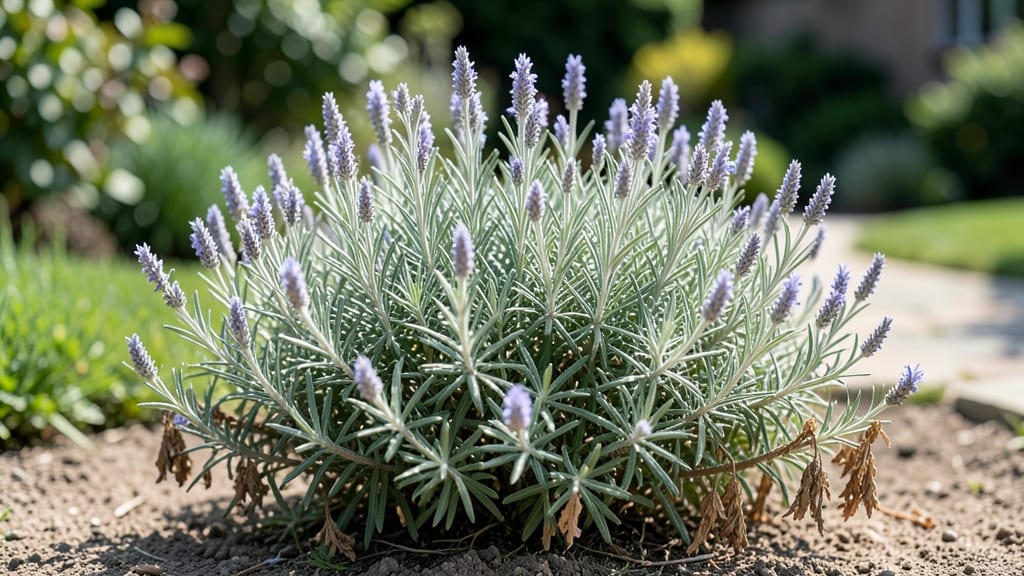
How to maintain this rosemary plant is simpler than you think—just treat it like the hardy Mediterranean shrub it is. 🌿 I’ve kept mine lush for years with just a few key habits—well-drained soil, bright light, and occasional pruning. The secret? Mimicking its natural dry, sunny habitat, even in winter.
Watering is the trickiest part: too much kills it, too little stunts growth. Let the top inch dry between waterings, and always use a pot with drainage holes.
Most people overwater, but rosemary’s tough—it’ll bounce back if you correct early. Prune in early spring to encourage bushier growth and harvest sprigs for cooking.
By summer, your plant will reward you with fragrant, needle-like foliage perfect for seasoning. The scent alone makes it worth the effort. Even in winter, when growth slows, a sunny windowsill keeps it alive. No green thumb? This plant forgives mistakes—just don’t drown it.
Once established, rosemary needs almost no care beyond occasional trimming. The payoff? Fresh herbs year-round, pest resistance, and a plant that looks stunning in pots or borders. Here’s how to keep yours thriving without the fuss.
📚 In This Guide
- What you need
- Instructions
- Tips and common mistakes
- Wrapping up and next steps
What you need
- ● Rosemary plant: 1 young rosemary plant (potted or bare-root) from a nursery or garden center
- ● OR 1-2 cuttings (4-6 inches long) from an existing rosemary plant
- ● Well-draining potting mix: 50% cactus/succulent mix (for aeration)
- ● 30% perlite or coarse sand (to prevent compaction)
- ● 20% compost or worm castings (for nutrients)
- ● Container: 1 pot with drainage holes (at least 12 inches wide for mature plants)
- ● OR a raised bed (if planting outdoors)
- ● Watering can or hose with a gentle spray nozzle
- ● Pruning shears or sharp scissors (sterilized with rubbing alcohol)
- ● Fertilizer: Balanced 10-10-10 or 5-5-5 liquid fertilizer (diluted to half-strength)
- ● OR slow-release organic granules (like fish emulsion)
- ○ Rooting hormone (optional but helpful for cuttings)
- ● Mulch: Gravel or pebbles (to retain heat and deter weeds)
- ● Grow lights or sunny windowsill (if indoors and sunlight is limited)
- ● Soil moisture meter (to check drainage before watering)
- ● Neem oil or insecticidal soap (for pest prevention)
- ● Supportive trellis or stake (if growing tall varieties like Rosemary ‘Tuscan Blue’)
Step-by-Step guide to maintaining a thriving rosemary plant
Rosemary loves neglect almost as much as it loves sun—here’s how to keep yours lush without fuss.
☀️ Step 1: Place in Full Sunlight for Maximum Growth
Rosemary demands 6-8 hours of direct sunlight daily. A south-facing window or outdoor spot gets the best results. If indoors, rotate the pot quarter-turn weekly so the plant grows evenly—you’ll notice stems leaning toward light if it’s not getting enough.
Outdoor rosemary thrives in USDA Zones 7-10. In colder climates, grow it in containers so you can bring it inside before frost. Watch for yellowing leaves—this is the first sign of insufficient light or overwatering. Adjust placement if you see new growth stretching toward the window.
💧 Step 2: Water Sparingly—Drought Tolerance is Key
Rosemary hates soggy soil. Water only when the top 1-2 inches of soil feel completely dry. Stick your finger in the soil—if it’s damp, wait another day. Overwatering causes root rot, which turns leaves yellow and mushy.
In containers, water even less frequently since pots dry out faster. A good rule: water every 7-10 days in summer, stretching to every 3-4 weeks in winter. If leaves start dropping, you’ve likely overwatered. Let the soil dry out completely before watering again.
✂️ Step 3: Prune Regularly to Encourage Bushiness
Pruning keeps rosemary compact and prevents leggy growth. Trim back 1/3 of the plant’s length in early spring using clean, sharp shears. Cut just above a leaf node (the bump where leaves grow) to encourage new branches.
You can also harvest sprigs by snipping just above a leaf node—this stimulates bushier growth. Never cut into bare stems. After heavy pruning, reduce watering slightly until new growth appears (2-3 weeks). Pruned stems can be dried or used fresh in cooking.
🪴 Step 4: Repot or Divide Every 2-3 Years
Rosemary grows slowly but benefits from fresh soil every 2-3 years. Choose a pot just 1-2 inches larger than the current one—too much space encourages root rot. Use a well-draining mix with sand or perlite to prevent compaction.
If your rosemary outgrows its pot, divide it in spring. Gently separate roots and replant sections in new containers. Water lightly after repotting, then resume normal care. Yellowing leaves after repotting usually means the plant needs more light or less water.
🌿 Step 5: Protect from Harsh Winters (If Outdoor)
Outdoor rosemary in cold climates needs winter care. Before frost, move potted plants to a sheltered spot or indoors near a sunny window. If left outside, mulch heavily around the base to insulate roots.
Indoor rosemary may drop leaves in winter due to dry air. Increase humidity by misting occasionally or placing the pot on a tray of pebbles with water. Avoid drafts—rosemary hates sudden temperature swings. With proper care, your plant will rebound in spring.
Tips & tricks for perfect rosemary plant care
Real talk: Rosemary might seem finicky, but once you master these little secrets, your plant will thrive with almost no effort. Here's what nobody tells you—
Lighting Strategy: That 6-8 hours of sunlight in Step 1 isn't just a suggestion—it's non-negotiable for rosemary. If your indoor spot doesn't get enough light, supplement with a grow light for 4-6 hours daily. I learned this the hard way after my rosemary turned leggy and sad from weak light. The stems will start growing straighter and stronger within days of proper light exposure.
Watering Wisdom: The "top 1-2 inches dry" rule in Step 2 is golden, but here's the secret: Use your finger to check moisture at the same time every week. I test on Wednesdays at noon—this consistency prevents overwatering. You'll notice the soil texture changes when it's truly dry, not just damp. For extra insurance, use a moisture meter if you're still unsure.
Pruning Payoff: When you trim back that 1/3 of the plant's length in Step 3, don't just cut randomly—look for the leaf nodes (those little bumps where leaves grow). Cutting just above these encourages new growth. I've found that pruning in early spring gives the plant the whole growing season to recover, resulting in bushier plants by summer. And yes, those pruned stems make fantastic fresh garnishes!
Winter Survival Trick: For outdoor rosemary in cold climates, don't wait until frost hits to move your plants inside. Start monitoring weather forecasts and move them when nighttime temps drop below 40°F. I've had plants survive winter outside with heavy mulch, but they always rebound better when brought indoors early. That little extra protection makes all the difference when spring arrives.
Pro Tips for Maintain Rosemary Plant
- Real talk: Rosemary might seem finicky, but once you master these little secrets, your plant will thrive with almost no effort.
- Lighting Strategy: That 6-8 hours of sunlight in Step 1 isn't just a suggestion—it's non-negotiable for rosemary.
- Watering Wisdom: The "top 1-2 inches dry" rule in Step 2 is golden, but here's the secret: Use your finger to check moisture at the same time every week.
Frequently asked questions
Got questions about keeping your rosemary plant happy and healthy?
Here are some of the most common queries—plus quick, actionable answers to help you troubleshoot and thrive!
How often should I water my rosemary plant?
Rosemary is thirsty but not waterlogged. Water deeply once every 1-2 weeks (check soil moisture first—if the top inch is dry, it’s time!). Overwatering is the #1 killer, so ensure pots have drainage holes. Pro tip: Let it wilt slightly between waterings to encourage hardiness.
Can rosemary survive winter outdoors?
Most rosemary varieties are hardy down to 0°F (-18°C), but young plants or tender types (like Rosemarinus officinalis ‘Prostratus’) need protection. Mulch heavily with straw or move potted plants to a sheltered spot. If temps drop below -10°F (-23°C), bring containers indoors near a sunny window.
Why are my rosemary leaves turning yellow or brown?
Yellow leaves usually mean overwatering (roots need air!), while brown edges often signal underwatering or low humidity. Check for pests like spider mites (tiny webs = trouble!) or fungal issues (like powdery mildew) on the undersides. Trim affected areas and adjust care—rosemary bounces back fast!
Can I grow rosemary indoors without sunlight?
Rosemary craves light—aim for 6+ hours of direct sun daily. If natural light is lacking, supplement with a grow light 12 inches away for 14–16 hours/day. South-facing windows work best; rotate the pot weekly for even growth. No sunlight? Try a sunny balcony or grow it as an annual.
How do I harvest rosemary without killing the plant?
Harvest sprigs from the top or sides (never the center) using clean scissors. Cut just above a leaf node to encourage bushiness. Do it in the morning after dew dries but before noon heat. Leave at least ⅓ of the plant intact—it’ll regrow lushly! For drying, bundle stems and hang upside down in a dark, airy spot for 2–3 weeks.
Wrapping up and next steps
Caring for a rosemary plant is simpler than you think—just a little sunlight, well-draining soil, and occasional pruning can keep it thriving for years! 🌿 With these easy steps, you’ll enjoy fresh, fragrant herbs straight from your garden or windowsill.
Ready to take the next step? Grab a pot, pick your favorite rosemary variety, and start growing—your kitchen (and senses) will thank you!