
Container Gardens
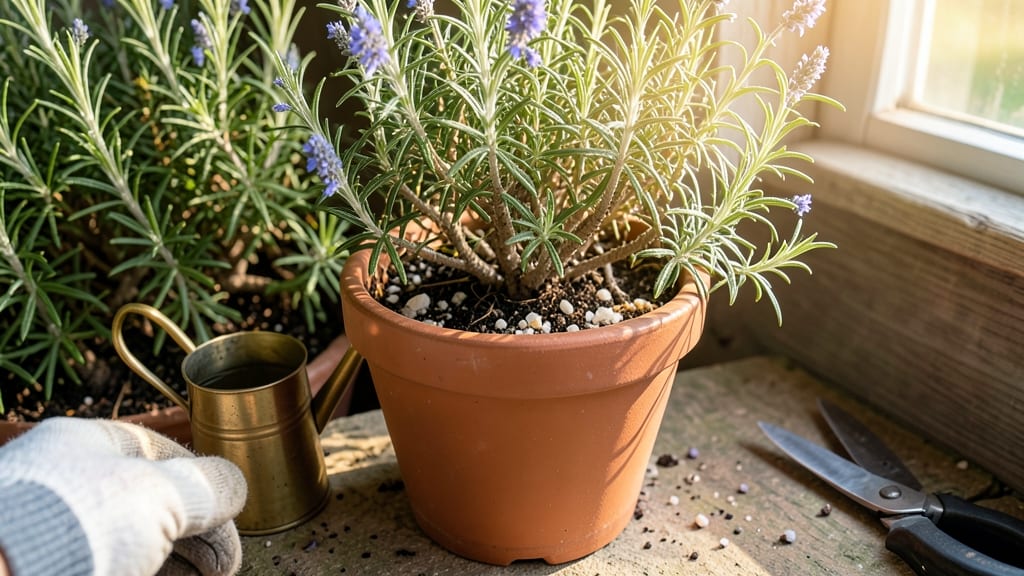
How to maintain rosemary like a Mediterranean shrub is all about embracing its drought-resistant, sun-loving nature and giving it just enough care to thrive. 🌿 My first rosemary plant nearly died from overwatering before I learned its secrets: it prefers dry soil, bright light, and occasional pruning to stay bushy. The key isn't complicated—it's consistency in care that keeps those fragrant stems producing for years. You'll need well-draining soil (regular potting mix works), a sunny spot (at least 6 hours of light daily), and a small pot (rosemary hates soggy roots). Water only when the top inch of soil feels dry—this plant stores moisture like a pro. Prune in early spring to shape it and encourage new growth, but never cut more than 1/3 of the plant at once. By summer, you'll be harvesting sprigs for cooking or drying bundles for winter. The scent alone makes it worth the effort—imagine walking past and catching that fresh, piney aroma. Even in winter, rosemary stays green and fragrant if you keep it indoors near a sunny window. The real magic happens when you let it grow wild (but contained). Over time, it becomes a low-maintenance evergreen that outlives most annuals. Just avoid the common mistakes—like overwatering or planting it in heavy clay—and you'll have rosemary for decades.
📚 In This Guide
- What you need
- Instructions
- Tips and common mistakes
- Wrapping up and next steps
What you need
- ● Rosemary plant: Choose Rosmarinus officinalis (hardy varieties like 'Arp' or 'Hill Hardy' for colder climates). Start with a healthy 6-12" pot or bare-root plant.
- ● Well-draining potting mix: 1 bag (5-10 quarts) of cactus/succulent blend or mix equal parts potting soil + perlite/coarse sand.
- ● Container: 1 pot with drainage holes (minimum 12" diameter for mature plants; 6" for starters). Terracotta or fabric pots work best.
- ● Watering can or hose: With a narrow spout to avoid overwatering.
- ● Pruning shears: Sharp, sterilized shears (or clean scissors) for trimming.
- ● Sunlight access: A south-facing window (6+ hours of sunlight daily) or a grow light (12-16 hours/day for indoor plants).
- ○ Fertilizer (optional but helpful): 1 slow-release granular fertilizer (e.g., 10-10-10) or
- ● 1 bottle of liquid seaweed fertilizer (diluted to half-strength).
- ● Mulch: 1-2" layer of gravel or pebbles to retain moisture and deter weeds.
- ● Humidity tray: For indoor plants in dry climates (fill a tray with pebbles + water).
- ● Garden gloves: To protect hands during pruning or repotting.
- ● pH testing kit: To check soil acidity (ideal range: 6.0–7.0).
- ● Insecticidal soap: For treating pests like spider mites or aphids.
Tips & tricks for perfect rosemary maintenance
Keeping rosemary thriving takes less effort than you think—here are the secrets I've learned after watching my own plants go from sad to spectacular.
Lighting Strategy: The 6-8 hours of sunlight in Step 1 are non-negotiable, but here's what I do differently: I place my rosemary near a south-facing window in winter and supplement with a simple LED grow light for just 4 hours daily. This mimics natural light cycles and prevents the leggy growth I used to hate. The key is consistency—don't move the plant frequently, as it confuses the growth pattern.
Watering Hack: I've ruined rosemary twice by overwatering, so now I use the "finger test" religiously. In Step 2, when checking soil moisture, I press my finger about 2 inches deep—if it feels dry, water thoroughly until it drains from the bottom. For container plants, I actually weigh the pot: if it feels light, it's time to water. This method eliminates guesswork completely.
Pruning Timing: The early spring pruning in Step 3 is perfect, but I've found that pruning again in late summer gives me a second flush of growth before winter. Just trim back another one-third, being careful to maintain the plant's natural shape. This two-pruning approach keeps my rosemary looking lush year-round and gives me fresh stems for cooking all season.
Winter Protection: For the 15°F cold snap warning in Step 5, I've added an extra layer of protection: after moving potted rosemary indoors, I place it on a tray of pebbles with water underneath. This creates humidity around the plant, which mimics its Mediterranean origins and prevents the crispy leaf edges I used to get. The pebbles stay moist for days without needing to refill.
Pro Tips for Maintain Rosemary
- Keeping rosemary thriving takes less effort than you think—here are the secrets I've learned after watching my own plants go from sad to spectacular.
- This mimics natural light cycles and prevents the leggy growth I used to hate.
- Watering Hack: I've ruined rosemary twice by overwatering, so now I use the "finger test" religiously.
Frequently asked questions
Got questions about keeping your rosemary thriving? Here are answers to the most common ones—so you can enjoy fresh, fragrant stems all year long!
Can rosemary survive winter indoors?
Yes! Move potted rosemary to a sunny windowsill or under grow lights (6+ hours/day). Keep soil slightly moist but well-draining, and avoid cold drafts. If outdoors, mulch heavily or bring pots inside before frost. Pro tip: Trim back by 1/3 in early spring to encourage new growth.
How often should I water rosemary?
Rosemary hates soggy roots—water only when the top inch of soil is dry (about once a week in summer, less in winter). Overwatering causes root rot, so ensure pots have drainage holes. Test it: Stick your finger in the soil; if dry, it’s time to water!
Why is my rosemary turning yellow or brown?
Yellow leaves often mean overwatering or poor drainage, while brown tips signal underwatering or low humidity. Check soil moisture, repot if roots are waterlogged, and mist leaves occasionally. Fix it fast: Trim dead growth and adjust your watering routine.
Can I grow rosemary from cuttings?
Snip 3–4 inch stems just below a leaf node, remove lower leaves, and place in water or moist soil. Keep in bright, indirect light until roots form (2–4 weeks). Once rooted, transplant to a pot with well-draining soil. Bonus: This is a great way to propagate free plants!
How do I harvest rosemary without killing the plant?
Harvest sprigs from the outer growth (never more than 1/3 of the plant at once) using clean scissors. Do this in the morning after dew dries. Avoid cutting into woody stems—focus on tender new growth. Harvesting hack: Regular trimming encourages bushier, more flavorful plants!
Wrapping up and next steps
With just a little care, your rosemary plant can thrive year-round, filling your space with aromatic beauty and culinary potential! 🌿 Remember, the key is consistent sunlight, well-draining soil, and moderate watering—no green thumb required.
Whether you’re growing it in pots or your garden, these simple steps will keep your rosemary lush and fragrant.
Ready to harvest and enjoy? Start by trimming fresh sprigs for cooking or drying bundles for winter use. Your kitchen—and taste buds—will thank you! 🍽️