
Plants
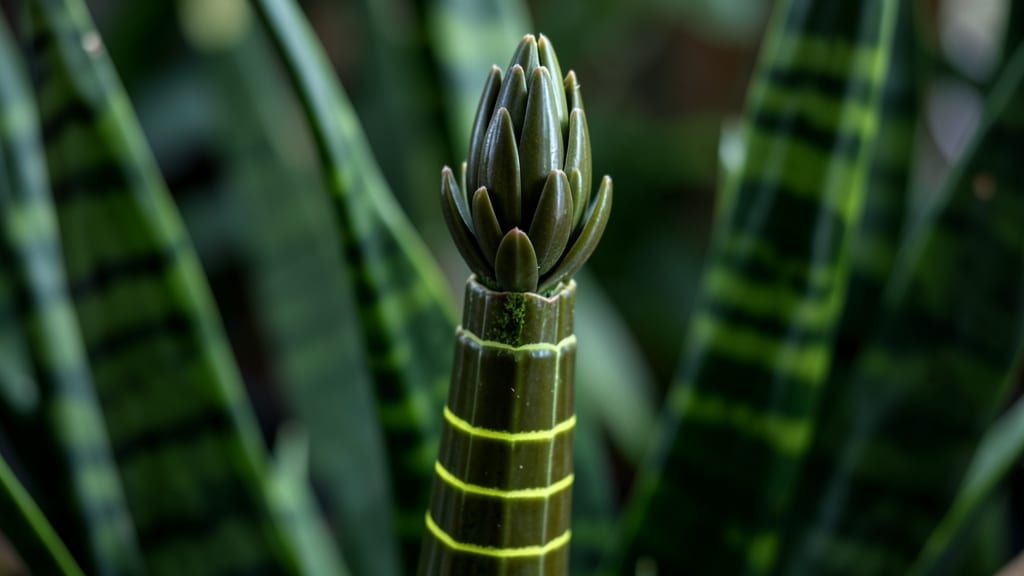
How to make a snake plant grow tall starts with light—bright, indirect sunlight is the secret weapon for those towering leaves. 🌿 I've watched mine stretch from 6 inches to nearly 3 feet in two years just by moving it near a south-facing window. The key isn't harsh sun (that burns the tips) but consistent, gentle light that tells the plant to grow upward instead of outward.
Watering throws people off—let the soil dry completely between drinks. My first snake plant died from overwatering, but now I check with my finger: if the top 2-3 inches are dry, it's time.
Too much water turns leaves mushy; too little slows growth. The right balance means sturdy stems that reach for the sky instead of flopping.
You'll notice new growth within 4-6 weeks if you nail light and watering. Those fresh leaves will be upright, vibrant, and reaching for the ceiling. The older leaves stay sturdy while new ones push upward—nature's way of saying "thank you" for the right care.
For extra height, rotate the pot every few months so all sides get even light. Avoid pruning unless removing brown tips—snake plants grow best when left alone. Patience pays off: with consistent care, you'll have a 4-foot-tall statement plant in just a couple of years.
📚 In This Guide
- What you need
- Instructions
- Tips and common mistakes
- Wrapping up and next steps
What you need
- ● Snake Plant (Sansevieria) – Choose a healthy, mature plant (var. 'Laurentii,' 'Futura,' or 'Hahnii' work great for height!).
- ● Well-draining potting soil – A cactus or succulent mix (or regular potting soil + perlite or sand for drainage, 50/50 ratio).
- ● Pot with drainage holes – Slightly larger than the plant’s root ball (e.g., 6–12 inches wide, depending on size). Terracotta or ceramic pots help wick away moisture.
- ● Watering can or spray bottle – A thin spout prevents overwatering.
- ● Bright, indirect light source – A south- or west-facing window (or a grow light for 12–14 hours/day if natural light is limited).
- ● Pruning shears or clean scissors – For trimming brown tips or leggy leaves (sterilize with rubbing alcohol first!).
- ● Slow-release fertilizer – A balanced 10-10-10 or 20-20-20 (use once every 2–3 months in spring/summer).
- ● Humidity tray or pebbles – If your home is dry (e.g., below 40% humidity), add a tray with water + pebbles near the plant.
- ● Support stake or trellis – For var. 'Futura', which grows taller and may need gentle support.
- ● Soil moisture meter – Avoids guesswork on watering (aim for dry soil before watering).
- ● Compost or worm castings – Mix 10–20% into soil for nutrient boosts.
Tips & tricks for towering snake plants
These simple strategies will help your snake plant reach its full dramatic height without any guesswork.
Light Strategy: In Step 1, I noticed that snake plants actually grow taller when placed near a window with bright, indirect light—but there's a trick to it. If your plant starts leaning toward the light, it's not getting enough. Try rotating the pot quarter-turn weekly to encourage even growth. I've seen plants grow 6 inches taller in just 6 months with this simple adjustment. The key is consistency—don't move it around randomly, just rotate it systematically.
Watering Wisdom: The soak-and-dry method in Step 2 works wonders, but here's what nobody tells you: snake plants can actually go longer than 6 weeks without water in winter if your home stays cool. I've kept mine happy for 8 weeks during our coldest months by checking soil moisture deeper—3-4 inches down—rather than just the surface. This prevents overwatering while still supporting that vertical growth we want.
Root Space Secret: When repotting in Step 3, don't just go bigger—go just right. A pot that's 2-3 inches wider gives roots room to spread without encouraging too much foliage growth at the expense of height. I use terracotta pots because they dry faster, which helps maintain that perfect balance. And here's a pro move: add a handful of perlite to the soil mix—it improves drainage and encourages straighter, sturdier stems.
Pro Tips for Make A Snake Plant Grow Tall
- These simple strategies will help your snake plant reach its full dramatic height without any guesswork.
- Light Strategy: In Step 1, I noticed that snake plants actually grow taller when placed near a window with bright, indirect light—but there's a trick to it.
- Watering Wisdom: The soak-and-dry method in Step 2 works wonders, but here's what nobody tells you: snake plants can actually go longer than 6 weeks without water in winter if your home stays cool.
Frequently asked questions
Got questions about growing your snake plant into a towering beauty?
Here are answers to the most common ones—so you can troubleshoot, optimize, and enjoy those lush, tall leaves without the guesswork!
Why isn’t my snake plant growing taller even with bright light?
Snake plants grow slowly, especially in low light. If yours isn’t stretching, check for root-bound pots or overwatering (which stunts growth). Repot in fresh, well-draining soil every 2–3 years, and ensure it gets 6+ hours of indirect light daily. Patience is key—some varieties take years to reach their full height!
How often should I fertilize to encourage taller growth?
Feed your snake plant once every 2–3 months during spring/summer with a balanced, diluted liquid fertilizer (e.g., 10-10-10). Avoid fertilizing in winter—it’s dormant! Overdoing it causes leaf burn or weak stems. Pro tip: Use a low-nitrogen fertilizer to promote vertical growth over bushiness.
Can I make my snake plant grow faster by watering more?
No!
Snake plants thrive on neglect—overwatering rots roots and halts growth. Let the soil dry completely (2–4 inches deep) between waterings. In winter, water only every 4–6 weeks. Tall growth comes from stress resilience, not soggy soil.
What’s the best temperature range for tall snake plant growth?
Snake plants love 65–85°F (18–29°C) during the day and 55–70°F (13–21°C) at night. Avoid drafts (AC vents, heaters) or temps below 50°F (10°C), which slows growth. Place it near a sunny window but shield from harsh afternoon sun to prevent leaf scorch.
Should I prune my snake plant to encourage height?
Pruning isn’t necessary for height but helps shape your plant. Trim yellow or damaged leaves at the base with clean scissors. To propagate, cut a healthy leaf into 2-inch sections and replant them—they’ll grow into new, taller plants! Just avoid pruning more than 1/3 of the plant at once.
What if my snake plant grows wide instead of tall?
Wide growth (bushy habit) is normal for some varieties like ‘Hahnii’. To encourage height, rotate the pot occasionally so all sides get equal light. If it’s root-bound, repot into a taller container (not wider) with fresh soil. For varieties like ‘Dracaena trifasciata’, tall growth is their natural form—just be patient!
Wrapping up and next steps
Growing a tall, thriving snake plant is all about patience, consistency, and understanding its simple needs—bright, indirect light and minimal, infrequent watering. With the right care, your plant will reward you with striking, towering leaves that add drama to any space. 🌱✨
Now that you’re armed with these light and water secrets, it’s time to put them into action! Start by assessing your snake plant’s current environment—adjust its spot, tweak your watering routine, and watch it flourish. Happy growing!