
Size
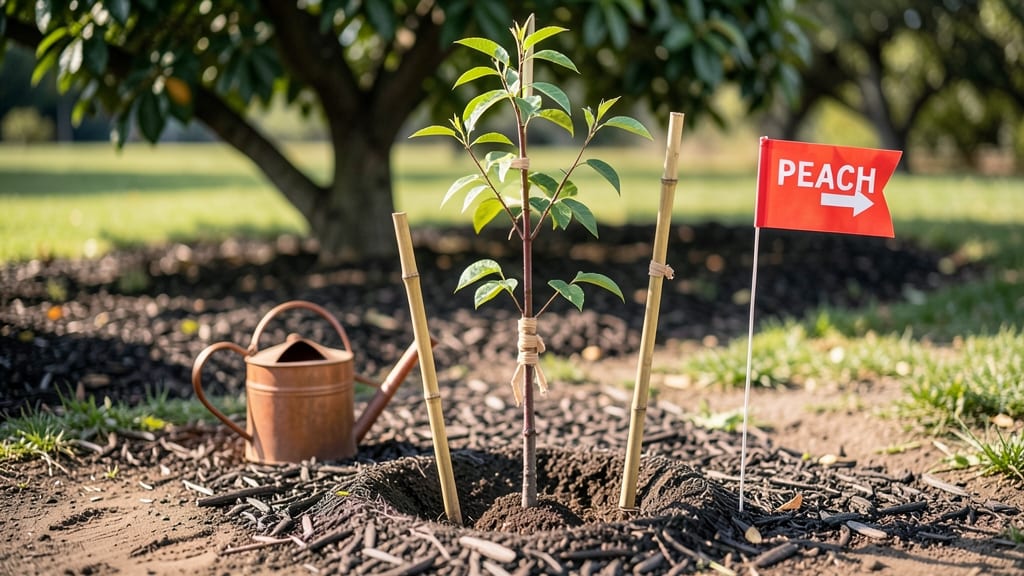
That first crooked branch is the tree’s way of saying "how to make a tree grow straight"—and the answer lies in listening, not forcing. 🌳 I’ve spent years wrestling with leaning saplings—some from wind, others from stubborn roots—and finally cracked the code on straightening them without breaking their spirit (or their trunk).
The secret? Gentle guidance, not brute force, and knowing exactly when to intervene.
Most people overcorrect by tying trees too tight or pruning at the wrong time. You only need 3 simple tools: soft tree ties, a sturdy stake, and sharp pruners. For young trees, focus on root balance first—uneven soil compaction or buried roots can force a lean.
Mature trees? Prune strategically to redirect growth upward, but never remove more than 25% of the canopy at once.
By summer’s end, you’ll see that stubborn lean start to straighten naturally. The tree won’t just stand taller—it’ll grow stronger, with a trunk thick enough to handle future storms.
No more hiding it behind shrubs or pretending it’s "artistic." This works for fruit trees, shade trees, even those oddly shaped ornamentals.
Fair warning: Patience is key. Rushing the process can snap weak branches, and some trees (like willows) are stubborn by nature. But with the right timing—early spring or late fall—you’ll see progress within one growing season. Let’s get those trunks standing proud.
📚 In This Guide
- What you need
- Instructions
- Tips and common mistakes
- Wrapping up and next steps
What you need
- ● Tree sapling or seedling: Choose a young tree (1–3 feet tall) with a sturdy trunk. Fast-growing species like Poplar, Willow, or Maple respond well to training.
- ● Stakes: 3–4 wooden or metal stakes (1–2 inches in diameter, 3–4 feet long). Avoid plastic—they don’t last!
- ● Ties: Soft tree ties (fabric or rubber) or wide strips of cloth/old T-shirts (avoid wire or tight materials).
- ● Pruning shears: Sharp, bypass pruners (for trimming branches). Disinfect blades with rubbing alcohol to prevent disease.
- ○ Support system: A tree guard or spiral wrap (optional but helpful for young trunks).
- ● Garden gloves: Protect your hands from thorns or rough bark.
- ● Measuring tape: To check stake placement and tree height.
- ● Mulch: Organic mulch (wood chips or straw) to retain moisture and protect roots.
- ● Watering can/hose: For consistent hydration (especially during dry spells).
- ○ Optional: A tree training rod (for heavy branches) or pruning sealant (to prevent sap oozing after cuts).
Tips & tricks for perfectly straight tree growth
Here's what nobody tells you about keeping your young trees growing tall and true—these tricks have saved me from crooked branches and weak trunks.
Pruning Precision: When you're removing competing shoots in Step 1, look for the branch that grows at a 45-degree angle or steeper from the trunk. This angle helps branches support themselves better. I've learned this the hard way—branches growing at sharper angles (less than 45 degrees) often break under their own weight. Make your cuts just above a leaf node or bud to encourage healthy regrowth in the right direction.
Light Rotation Strategy: The quarter-turn weekly rotation in Step 2 is your secret weapon against permanent leaning. I recommend setting a reminder on your phone—consistency is key! If your tree starts leaning toward a window, rotate it away from the light source for a few days to encourage it to straighten. This might sound counterintuitive, but it works because trees grow toward light, and you're gently "tricking" it back to center.
Staking Secrets: For Step 4, position those two stakes at about one-third up the trunk—not too high, not too low. I've seen people stake too close to the base, which can actually encourage the tree to grow into the stakes. Angle them outward slightly to create that natural V-shape, and always use soft tree ties. The ties should allow the trunk to sway—this movement actually strengthens the trunk by developing thicker cell walls. Check them every 4-6 weeks to ensure they're not too tight.
Seasonal Timing: Spring and early summer are your prime working windows for pruning and adjustments (Step 5). This is when trees are most responsive to pruning because they're actively growing. I've noticed that late summer pruning can stress young trees, making them more susceptible to disease. If you must prune later in the season, do it at least 6 weeks before the first frost to allow proper healing.
Pro Tips for Make A Tree Grow Straight
- Here's what nobody tells you about keeping your young trees growing tall and true—these tricks have saved me from crooked branches and weak trunks.
- Pruning Precision: When you're removing competing shoots in Step 1, look for the branch that grows at a 45-degree angle or steeper from the trunk.
- Light Rotation Strategy: The quarter-turn weekly rotation in Step 2 is your secret weapon against permanent leaning.
Frequently asked questions
Got questions about growing straight trees? You’re not alone! Here are answers to the most common concerns—so you can skip the guesswork and get straight to pruning like a pro.
How young does a tree need to be to train it straight?
Start training your tree as soon as it’s planted—ideally within its first year. Young saplings (under 3–5 feet tall) are most flexible and respond best to staking, pruning, and tying. Older trees can still be corrected, but it takes more effort and patience. Pro tip: If you’re working with a mature tree, focus on gradual adjustments to avoid stressing the trunk.
How long does it take to see results from pruning?
You’ll notice subtle changes within weeks, but significant straightening usually takes months to a year, depending on the tree species and your climate. Fast-growing trees (like willows or poplars) show progress quicker, while slower growers (oaks or maples) need more time. Consistency is key—stick to your pruning schedule for the best results!
What if my tree keeps leaning even after staking?
If your tree resists straight growth, check these fixes:
- Loosen the stakes: Too-tight ties can girdle the trunk and cause damage.
- Adjust the angle: Reposition stakes to support the natural lean (trees grow toward light).
- Prune strategically: Trim branches on the heavy side to balance weight.
- Check soil: Compacted or uneven soil can cause uneven growth—amend with compost.
Can I use weights or wires instead of stakes to straighten a tree?
Wires (like tree guy wires) or lightweight bags filled with sand are great alternatives to stakes, especially for delicate or tall trees. Here’s how:
- Wires: Attach to the trunk and anchor to the ground at a 45-degree angle to guide growth.
- Weights: Hang branches gently with ropes to encourage upward growth (avoid overloading!).
Do different tree species need unique straightening techniques?
Yes! Some trees are more flexible than others:
Tree Type
Best Approach
Fast-growing (willow, birch)
Light pruning + frequent stake checks (they bounce back quickly!).
Slow-growing (oak, maple)
Patience! Use gentle ties and prune only in late winter/early spring.
Weeping varieties (crypteronia, willow)
Embrace their shape—prune to enhance their natural curve.
Wrapping up and next steps
Growing a straight, sturdy tree is all about patience, consistency, and a little know-how! 🌳 With the right pruning techniques—like thinning, heading back, and proper staking—you’ll guide your tree toward a strong, upright form. Remember, healthy roots and regular care are the foundation of success.
Now that you’re armed with these tips, go plant that seedling and watch it thrive! Start small, stay observant, and soon you’ll be the proud gardener of a perfectly straight tree. Happy growing! 🌱