
How To
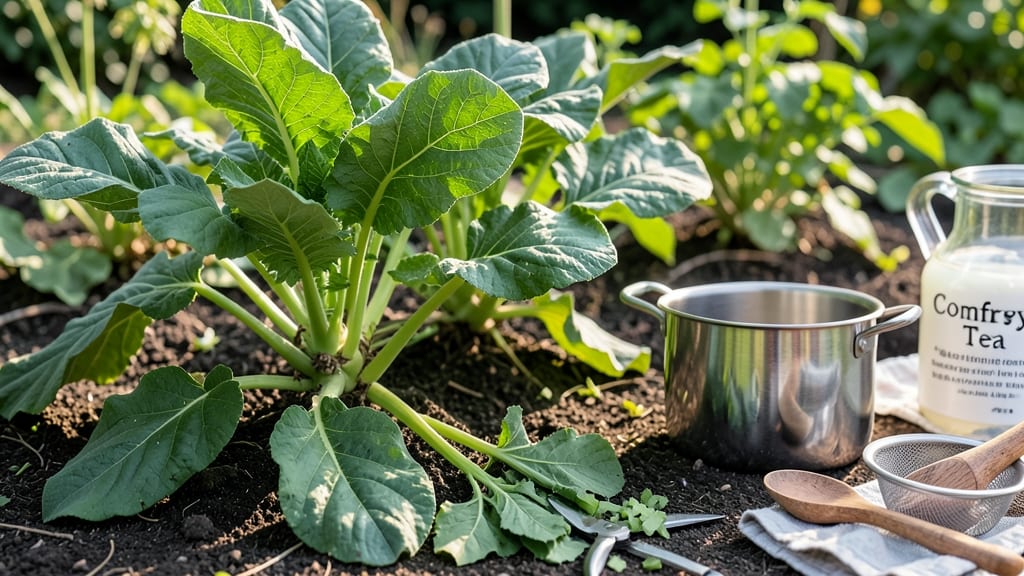
Comfrey tea is liquid gold for your garden. 🌱 That's right—this simple brew from comfrey leaves feeds plants, deters pests, and improves soil without synthetic chemicals. I've been using it for years to turn struggling plants into thriving ones, and the best part? It takes just 15 minutes to make.
The secret lies in the leaves: rich in potassium, nitrogen, and trace minerals, they create a nutrient-packed fertilizer. You'll need fresh comfrey leaves (harvested from organic plants), a large bucket, and a breathable bag or cloth. No fancy equipment—just nature's own plant food.
The process is straightforward, but timing matters for maximum potency. By the end, you'll have a dark, earthy-smelling tea that outperforms store-bought fertilizers. Your tomatoes will grow bushier, your roses will bloom longer, and even struggling herbs will perk up. The best part?
You'll use up to three gallons of this brew per plant without harming your soil's natural balance. Works for vegetables, flowers, and even houseplants. Here's how to make it right the first time—no guesswork, just results. Let's get your garden growing stronger than ever.
📚 In This Guide
- What you need
- Instructions
- Tips and common mistakes
- Wrapping up and next steps
What you need
- ● Comfrey leaves: Fresh leaves: 1–2 handfuls (about 2–4 oz or 50–100g) of organic, pesticide-free leaves (avoid leaves from near roads or treated areas).
- ● Dried leaves: 1–2 tbsp (5–10g) of dried comfrey (store-bought or home-dried).
- ● Water: 1 cup (8 oz or 240ml) of filtered or spring water (avoid tap water with high chlorine levels).
- ● Heat source: Stovetop, electric kettle, or French press (for steeping).
- ● Container: A heat-safe mug, teapot, or jar for steeping.
- ● Strainer or cheesecloth: To filter leaves (a fine-mesh strainer or clean cloth works best).
- ○ Optional flavor enhancers: Honey or maple syrup (1 tsp) to sweeten.
- ● Lemon juice (½ tsp) for a zesty twist.
- ● Harvesting tools (if gathering fresh): Clean, sharp scissors or pruning shears (to avoid damaging the plant).
- ○ Gloves (optional, if you prefer not to touch the fuzzy leaves).
- ● Drying setup (if preserving leaves): Paper towels or a clean cloth.
- ● Air-dry space (hang in small bundles or lay flat in a cool, dark place).
Step-by-step instructions for making comfrey tea
Here's how to turn comfrey leaves into nutrient-rich "garden gold" that boosts soil fertility and plant growth.
🌿 Step 1: Harvest Mature Leaves at Peak Nutrition
Pick leaves from 2-3 year old plants in early morning when they're fully hydrated. Choose the largest, darkest green leaves from the outer growth—these contain the highest concentration of potassium, nitrogen, and trace minerals. Avoid harvesting more than 1/3 of the plant at once to prevent stress. I always use clean, sharp scissors to make clean cuts just above a leaf node.
Comfrey leaves are best harvested after the plant has established a robust root system. If your plants are young (less than 2 years), wait until they've grown at least 18-24 inches tall before harvesting. The leaves should feel thick and firm—not wilted or yellowed. This ensures you're getting the most nutrient-dense foliage possible.
🪴 Step 2: Prepare the Leaves for Brewing
Rinse the leaves thoroughly under cool water to remove dirt and debris, then chop them into 1-2 inch pieces using a sharp knife or clean pruners. The smaller the pieces, the faster the nutrients will leach into the water. Place the chopped leaves into a large bucket or non-reactive container—1 gallon of water per 1 pound of leaves is the ideal ratio for a strong brew.
Here's the thing—don't use metal containers. Comfrey tea can be slightly acidic, and metal will react with it, altering the nutrient profile. I use a 5-gallon plastic bucket with a lid. Add enough water to just cover the leaves, then let it sit for 2-3 weeks in a warm, shaded spot. You'll know it's ready when the liquid turns dark brown and smells rich, almost like a strong compost tea.
💧 Step 3: Strain and Dilute for Application
After 2-3 weeks, strain the liquid through a fine mesh bag or cheesecloth into another clean container. The remaining leaf material can be composted—it's still packed with nutrients. The strained liquid should be a deep amber color. This is your concentrated comfrey tea, and it's potent enough to use straight or diluted depending on your needs.
For most garden applications, dilute the tea with water at a 1:10 ratio (1 part tea to 10 parts water). This prevents over-fertilizing and potential salt buildup in the soil. I always mix it in a large watering can or spray tank for even distribution. The diluted tea can be used as a foliar spray or soil drench—both methods work well, but foliar applications are great for providing quick nutrients to plants.
⏰ Step 4: Apply to Boost Plant Health
Use your comfrey tea during the active growing season (spring through early fall) when plants are most receptive to nutrients. For soil drenches, apply it directly to the base of plants, making sure it reaches the root zone. For foliar sprays, apply in the early morning or late afternoon to avoid leaf burn from potential evaporation. I like to use it every 2-4 weeks as a supplement to regular watering.
Watch for signs that your plants are responding—healthier foliage, more vibrant flowers, and stronger stems are all good indicators. If you notice any yellowing or wilting, dilute it further or reduce application frequency. Comfrey tea is a powerhouse, but like any fertilizer, too much can do more harm than good. Store any unused tea in a cool, dark place for up to 1 month.
Tips & tricks for perfect comfrey tea
These simple strategies will help you maximize the benefits of your comfrey tea while avoiding common pitfalls that can ruin the process.
Harvesting Strategy: Focus on harvesting from the outer leaves first—these are the most nutrient-dense and won't harm the plant's ability to regrow. I've found that harvesting in the morning after dew has dried but before the sun gets too intense gives me the freshest leaves. This timing ensures maximum nutrient content while preventing wilting during transport. The leaves should feel crisp and firm, not limp or yellowed—this is your quality indicator.
Container Selection: Plastic buckets are your best bet for brewing comfrey tea, but if you don't have one, food-grade plastic bins or even large glass jars work well. I've used 5-gallon buckets from hardware stores that cost just a few dollars. Whatever you choose, make sure it's clean and has a lid to keep out debris and pests. The key is to avoid metal containers completely—they can react with the tea's natural acids and alter its nutrient profile.
Brewing Timeline: The 2-3 week brewing time might seem long, but patience pays off here. I've tried rushing the process by using a shorter timeframe, and the resulting tea was noticeably weaker. If you're short on time, you can use a compost extractor bag to speed up the process by about 50%, but you'll still need at least 7-10 days. The longer you brew, the more nutrients will leach out, but don't go beyond 3 weeks or you risk fermentation.
Application Technique: When applying your diluted comfrey tea, use it as a soil drench for established plants and as a foliar spray for seedlings or young plants. For soil drenches, water deeply to ensure the nutrients reach the root zone. For foliar applications, spray until the leaves are lightly coated but not dripping. I've found that applying in the early morning gives plants time to absorb the nutrients before the heat of the day. Always start with the recommended 1:10 dilution ratio and adjust based on how your plants respond.
Pro Tips for Make Comfrey Tea
- These simple strategies will help you maximize the benefits of your comfrey tea while avoiding common pitfalls that can ruin the process.
- Harvesting Strategy: Focus on harvesting from the outer leaves first—these are the most nutrient-dense and won't harm the plant's ability to regrow.
- Container Selection: Plastic buckets are your best bet for brewing comfrey tea, but if you don't have one, food-grade plastic bins or even large glass jars work well.
Frequently asked questions
Got questions about brewing comfrey tea? You’re not alone! Here are some of the most common queries—plus clear, simple answers to help you make the most of this garden superstar.
What’s the best time to harvest comfrey leaves for tea?
Harvest comfrey leaves in the morning after the dew has dried (around 8–10 AM) for the highest nutrient content. Avoid harvesting after rain or when leaves are wilted—this can dilute flavor and potency. Aim for the younger, tender leaves (top 6–8 inches) for milder tea, or use mature leaves for a stronger brew.
How long should I steep comfrey tea for optimal benefits?
Steep comfrey tea for 5–10 minutes—no longer! Oversteeping releases pyrrolizidine alkaloids (PAs), which can be harmful in high doses. For a mild tea, steep 5 minutes; for a stronger infusion (like for compost tea), go up to 10 minutes. Always use filtered water and avoid boiling leaves (use ~180°F/82°C water).
Can I use dried comfrey leaves instead of fresh?
Dried comfrey leaves work just as well—sometimes even better for storage. To dry, hang bundles upside down in a dark, well-ventilated space for 1–2 weeks or use a dehydrator at 95°F (35°C). Store in an airtight container away from light. Use a 1:1 ratio (1 tsp dried = 1 tbsp fresh) when brewing.
Is comfrey tea safe for everyone? Who should avoid it?
Comfrey is generally safe in moderate amounts (1–2 cups/day), but it’s not recommended for:
- Pregnant or nursing women
- People with liver conditions or kidney issues
- Children under 12 (due to PA content)
- Those on medications (it may interact)
What can I do with leftover comfrey tea?
Don’t waste it! Use leftover comfrey tea to:
- Feed your houseplants (dilute 1:10 with water)
- Boost compost piles (pour directly or use as a compost activator)
- Make a fertilizer tea for garden beds (steep longer, strain, and dilute 1:5)
- Freeze in ice cube trays for later use
Wrapping up and next steps
Making comfrey tea is a simple yet rewarding way to harness the power of this garden superstar! Whether you’re looking to boost soil health, nourish plants, or explore its medicinal benefits, this versatile herb is easy to work with.
Start small—harvest fresh leaves, steep them in hot water, and let nature do the rest. 🌿✨
Now that you’re equipped with the knowledge, why not experiment further? Try blending comfrey tea with other organic fertilizers or explore its uses in homemade skincare. Your garden (and plants!) will thank you.