
How To
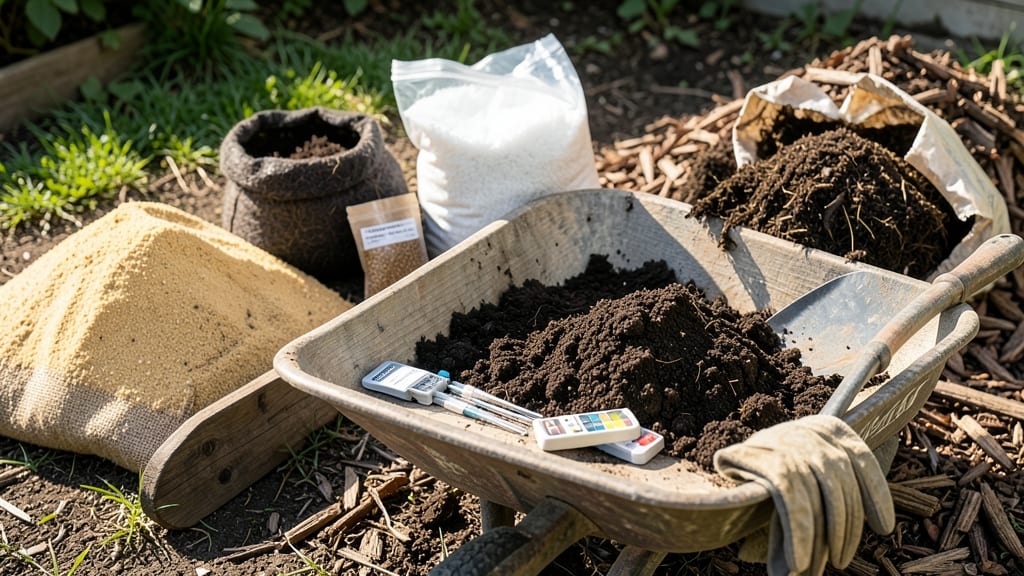
Your bare dirt doesn’t have to stay lifeless. ✨ With just a few simple ingredients, you can transform it into rich, loam-like soil that plants will fight over—no fancy equipment needed.
The secret lies in balancing three things: organic matter (like compost or aged manure), texture (sand for drainage, clay for moisture), and nutrients (fertilizer or lime). Most gardeners overcomplicate this, but the core process is straightforward: mix, test, and adjust.
I’ve turned rocky soil into a thriving garden bed using this method, and you can too.
You’ll end up with soil that holds moisture like a sponge but drains like sand—perfect for roots to breathe. The first time you see seedlings shoot up in this mix, you’ll understand why gardeners call it "black gold."
Works for flower beds, vegetable gardens, or even potted plants. Here’s exactly how to do it without the guesswork.
📚 In This Guide
- What you need
- Instructions
- Tips and common mistakes
- Wrapping up and next steps
What you need
- ● Topsoil: 50% of your mix (about 2 parts). Look for organic, nutrient-rich topsoil (bagged or from a local supplier). Avoid clay-heavy or sandy-only soils.
- ● Compost: 25% of your mix (about 1 part). Use well-aged compost (homemade or store-bought) to add nutrients and improve structure.
- ● Sand: 25% of your mix (about 1 part). Choose coarse builder’s sand (not fine beach sand) to enhance drainage.
- ● Garden wheelbarrow or large bucket: For mixing (5+ gallons capacity).
- ● Garden shovel or trowel: For scooping and layering.
- ● Garden gloves: To keep your hands clean and comfortable.
- ○ Watering can or hose: For moistening the mix (optional but helpful).
- ○ pH testing kit (optional): To check soil acidity/alkalinity (ideal range: 6.0–7.0 for most plants).
- ● Perlite or vermiculite: 5–10% of the mix (adds aeration and moisture retention).
- ● Worm castings: 5–10% (boosts microbial activity).
- ● Peat moss (or coco coir): Replaces 10–20% of topsoil for moisture-loving plants.
- ● Slow-release fertilizer: Sprinkle lightly (follow package instructions).
Step-by-step instructions for creating a loam-like soil mix
Here's how to craft nutrient-rich, well-draining soil that mimics nature's perfect loam in just a few simple steps.
🌱 Step 1: Gather the Base Components
Start with equal parts by volume of three essential materials: garden soil (the foundation), compost (the nutrient booster), and sand (the drainage enhancer). I like to use topsoil from my yard for the garden soil component—it's already rich in organic matter. For the sand, coarse builder's sand works best because it improves aeration without compacting like fine sand.
If you don't have garden soil on hand, a high-quality potting mix works in a pinch, though it won't have the same structure. The key here is balance—too much sand makes the mix sterile, while too much soil can suffocate roots. Weigh or measure your components carefully to maintain that 1:1:1 ratio.
💧 Step 2: Mix Thoroughly for Uniform Texture
Spread the garden soil, compost, and sand in a wheelbarrow or large container. Use a garden fork or shovel to cut through each layer as you mix, ensuring everything blends evenly. I like to start by mixing the soil and compost first—their organic matter binds together naturally, then I work in the sand to break up clumps and improve texture.
For a 4 cubic foot batch (enough to fill a standard raised bed), you'll need 1 cubic foot of each component. Wet your hands slightly as you mix—this helps you feel the consistency better. The final blend should resemble crumbled cake mix: light enough to crumble between fingers but still cohesive. If it feels gritty or clumpy, add a little more compost or water to bind it.
✂️ Step 3: Adjust for Plant-Specific Needs
For heavy feeders like tomatoes or peppers, add ½ cup of balanced organic fertilizer per cubic foot of mix. I prefer worm castings or kelp meal—they provide slow-release nutrients without burning roots. For succulents or cacti, increase the sand ratio to 1:1:2 (soil:compost:sand) to prevent root rot. The goal is to tailor the mix to your plants' needs while keeping the structure loose and airy.
Test your mix by filling a small container and watering it. If water pools on the surface or drains too quickly, adjust the ratios. The ideal mix should hold moisture like a well-wrung sponge—damp but not soggy. If it feels too dense, add more sand; if it crumbles apart, blend in extra compost. This step ensures your soil will support root growth without suffocating plants.
🪴 Step 4: Condition the Soil for Optimal Performance
Let your mix sit for 24-48 hours before use. This resting period allows any sharp edges on the sand to dull and lets the compost break down slightly, improving its ability to retain moisture and nutrients. I like to cover the mix with a lightweight tarp during this time to keep it from drying out, especially in hot or windy conditions.
After conditioning, give the mix a final fluff with your hands or a fork. The texture should now resemble crumbled chocolate cake—light, airy, and crumbly. This is your signal that the soil is ready to use. For long-term storage, keep it in a covered bin in a dry, shaded area. If it starts to dry out, add a spray of water and remix lightly before use.
⏰ Step 5: Apply to Your Garden Beds
Spread the conditioned mix evenly across your garden beds, 2-3 inches deep for in-ground planting or as the top layer in containers. For raised beds, fill them completely with your mix—it's lighter than native soil, so you'll need more volume to reach the same depth. Water the bed lightly before planting to help the soil settle and eliminate air pockets.
Watch for root-friendly signs in the first few weeks: plants should establish quickly with minimal wilting, and weeds should struggle to take hold. If you notice leaves yellowing or stems wilting, the mix may need more compost (for nutrients) or sand (for drainage). This loam-like blend will keep your plants thriving for months without needing frequent amendments.
Tips & tricks for perfect loam-like soil mix
Between us, creating the ideal loam-like soil mix is all about balance—and these tricks help you nail that perfect harmony every time.
Component Selection: When gathering your garden soil, avoid areas with visible weeds or debris, as these can introduce unwanted seeds or pathogens. For compost, use well-aged material—fresh manure or undecomposed greens can overheat your mix and burn plant roots. I source my compost from a municipal yard waste program, which provides consistent quality without the risk of contaminants.
Mixing Technique: In Step 2, don't just stir from top to bottom—cut through each layer horizontally first to ensure even distribution. Think of it like making a layered cake: you want each component thoroughly integrated before moving to the next step. For larger batches, consider using a pitchfork to aerate the mix while you work, which prevents compaction and improves texture.
Plant-Specific Adjustments: The 1:1:1 ratio works beautifully for most vegetables, but for acid-loving plants like blueberries or azaleas, add ½ cup of peat moss per cubic foot of mix. This subtle shift in pH creates the perfect environment for these finicky plants. Always test your adjusted mix with a small container before committing to large garden areas.
Conditioning Wisdom: The 24-48 hour resting period isn't just about texture—it's when the microbial activity really kicks in. Covering with a tarp helps maintain consistent moisture levels, but leave some airflow to prevent anaerobic conditions that could create unpleasant odors. I've found that placing the mix in a partially shaded area during hot weather preserves its ideal moisture balance.
Pro Tips for Make Dirt Soil
- Between us, creating the ideal loam-like soil mix is all about balance—and these tricks help you nail that perfect harmony every time.
- Component Selection: When gathering your garden soil, avoid areas with visible weeds or debris, as these can introduce unwanted seeds or pathogens.
- Mixing Technique: In Step 2, don't just stir from top to bottom—cut through each layer horizontally first to ensure even distribution.
Frequently asked questions
Got questions about turning dirt into nutrient-rich soil? You’re not alone! Here are answers to the most common queries to help you get growing with confidence.
Can I make soil without compost?
Yes, but your mix won’t be as nutrient-rich. Skip compost and use well-rotted manure (like cow or horse) or aged leaves instead. For faster results, blend in a handful of organic fertilizer or worm castings. Just remember: compost adds microbial life that boosts plant health!
How long does it take to make usable soil?
With the right mix, you can use it immediately for planting—but for peak fertility, let it sit for 1–2 weeks to let microbes activate. If you’re short on time, mix in a fast-acting fertilizer (like fish emulsion) to jumpstart growth. Patience pays off, though!
What’s the cheapest way to make soil?
Skip store-bought soil and use free/cheap materials:
- Dirt (from your yard or a local hillside)
- Leaves (shredded for faster breakdown)
- Grass clippings (dried or composted)
- Eggshells (crushed for calcium)
Can I reuse old potting soil?
Sterilize it first by baking in the oven at 200°F (93°C) for 30 minutes to kill pests/diseases. Then, rebalance the mix by adding:
- 1 part perlite or sand (for drainage)
- 1 part compost or worm castings (for nutrients)
Why is my homemade soil clumping together?
Clumps usually mean too much clay or not enough organic matter. Fix it by:
- Adding perlite, sand, or coconut coir (10–20%) for aeration
- Mixing in more compost or peat moss to improve structure
- Avoiding overwatering—let the soil dry slightly between uses
Wrapping up and next steps
You’ve got everything you need to create nutrient-rich, loam-like soil right in your backyard—or even on your balcony! 🌱 By blending organic matter, sand, and compost in the right ratios, you’re giving your plants the perfect foundation for growth.
Whether you’re reviving a struggling garden or prepping for a new planting project, this DIY soil mix is a game-changer.
Now that you’re armed with the knowledge, roll up your sleeves and get mixing! Start small with a test batch to refine your technique, and soon, you’ll be growing lush, healthy plants with soil you made yourself. Happy gardening! 🌿