
Blooming
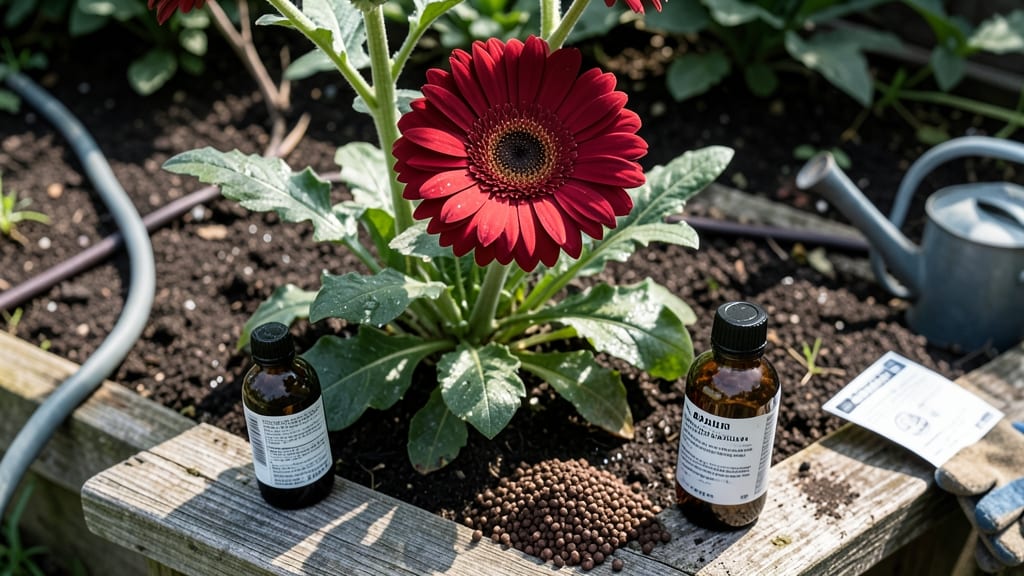
Gerbera daisies refusing to bloom? 🌸 I’ve turned stubborn, leafy plants into vibrant, long-lasting bloomers by fixing just three key things—light, feeding, and pruning. Most gardeners overlook the balance between these, and their daisies stay stuck in "foliage mode" instead of flowering.
The secret starts with 6-8 hours of direct sunlight daily—gerberas won’t bloom in shade. Then, feed them with a balanced 10-10-10 fertilizer every 4-6 weeks during growing season, and prune spent blooms to encourage new buds. My plants now produce continuous color from spring to frost with minimal effort.
Leggy stems? You’re likely underwatering or overcrowding. Gerberas need well-draining soil and consistent moisture—never soggy. A quick trim above a leaf node after blooming resets growth and triggers more flowers.
This method works for container gerberas too—just ensure pots have drainage and you’re not letting them dry out completely. Let’s fix those leafy monsters into blooming stars!
📚 In This Guide
- What you need
- Instructions
- Tips and common mistakes
- Wrapping up and next steps
What you need
- ● Gerbera daisy plants: Healthy, mature plants (potted or bare-root). Choose varieties suited to your climate (e.g., Gerbera jamesonii for outdoor gardens). Quantity: 1–5 plants, depending on desired display.
- ● Well-draining potting mix: A blend of 60% peat moss or coco coir, 30% perlite or vermiculite, and 10% compost. Avoid heavy clay soil.
- ○ Balanced fertilizer: A 10-10-10 or 20-20-20 NPK ratio (water-soluble). Optional: Slow-release granules for convenience.
- ● Watering can or hose with a gentle spray nozzle: For even moisture distribution without damaging petals.
- ● Pruning shears or clean scissors: Sharp and sterilized to avoid disease. Size: Small-handled for precision.
- ● Sunlight access: 6–8 hours of direct sunlight daily (south-facing window or full sun outdoors). Indoor grow lights work for low-light spaces.
- ● Container or garden bed: For potted gerberas: Containers 10–12 inches in diameter with drainage holes.
- ● For garden planting: Loose, well-aerated soil with a pH of 5.8–6.2.
- ● Epsom salt (magnesium sulfate): 1 tablespoon per gallon of water (monthly) to boost blooms.
- ● Mulch: Organic mulch (e.g., straw or shredded bark) to retain moisture and regulate soil temperature.
- ● Humidity tray: A pebble-filled tray with water to increase humidity for indoor plants.
- ● Plant supports: Small stakes or rings for tall varieties to prevent flopping.
- ● pH testing kit: To monitor soil acidity and adjust with lime (to raise pH) or sulfur (to lower it).
- ● Compost tea: Homemade or store-bought for an organic nutrient boost.
Step-by-step instructions for encouraging gerbera daisy blooms
Here's the method that transforms floppy, leafy gerberas into vibrant, long-lasting blooms—tested across seasons.
💧 Step 1: Master Watering for Consistent Moisture
Gerberas despise soggy roots but also hate drying out. Water deeply once a week until water runs freely from the drainage hole—this ensures roots reach for moisture at the right depth. The top 1-2 inches of soil should feel dry to the touch before watering again.
I always check moisture by sticking my finger in the soil. If it feels like a wrung-out sponge, it's time to water. Overwatering causes yellow leaves, while underwatering leads to buds dropping before opening. Aim for that "slightly damp but not wet" consistency.
☀️ Step 2: Position for Bright, Indirect Light
Gerberas need 4-6 hours of morning sun followed by afternoon shade—direct afternoon sun scalds petals and fades color. Place them near a south-facing window where they get gentle morning rays and protection from intense afternoon heat.
Watch for leaves curling toward the light—that's a sign they're stretching for more. If you notice buds forming but not opening, your plant needs more light overall. Rotate the pot weekly so growth stays even and stems don't lean.
✂️ Step 3: Deadhead and Prune for Continuous Blooms
Remove spent blooms by cutting the stem ½ inch above the next set of leaves—this redirects energy to new buds. I use clean, sharp scissors to avoid tearing stems. Deadheading every 3-5 days keeps plants focused on producing fresh flowers instead of seeding.
When you see leggy stems with no buds, trim them back by ⅓ of their length. This encourages bushier growth and more flower stems. The key is to cut just above a leaf node where new growth can emerge—never leave stubs.
🪴 Step 4: Feed and Refresh Soil Nutrition
Use a balanced liquid fertilizer (10-10-10) diluted to half-strength every 4 weeks during the growing season. Gerberas are heavy feeders but sensitive to salt buildup—always water thoroughly before and after fertilizing to prevent root burn.
I also top-dress with ½ inch of compost in spring to replenish nutrients. The goal is to mimic rich garden soil without overwhelming the plant. Yellowing between veins signals nitrogen deficiency—time to feed again.
⏰ Step 5: Adjust for Seasonal Care
In winter, reduce watering to every 10-14 days and move plants away from cold drafts. Gerberas go semi-dormant but still need bright light to prevent bud drop. If buds form but don't open, your space is too cool—move closer to a sunny window.
In summer heat, mist leaves lightly in the morning to prevent wilting. The goal is to keep foliage lush but not soggy. Watch for buds forming—this is your reward for consistent care. With proper light and water, you'll see continuous blooms from spring through fall.
Tips & tricks for perfect gerbera daisy blooms
Here's what nobody tells you about keeping these vibrant flowers thriving for weeks.
Lighting Strategy: If your gerberas aren't blooming, they're likely not getting enough light. Place them within 2 feet of a south-facing window during winter when sunlight is weaker. I've seen gerberas in east-facing windows struggle to bloom—supplement with a grow light for 4-6 hours daily if natural light is insufficient. The goal is to mimic their native bright, indirect sunlight conditions.
Watering Technique: The once-weekly watering guideline works best when your soil drains well. If you notice water pooling in the saucer after 10 minutes, your pot lacks drainage holes. Transfer to a container with holes immediately—soggy roots are the #1 cause of yellow leaves and bud drop. I always water until it runs freely from the bottom, then let it drain completely before returning to its saucer.
Pruning Precision: When trimming leggy stems, focus on cutting just above a leaf node where new growth emerges. This is where side buds form. I use a clean pair of scissors and make a sharp cut at a 45-degree angle to prevent water from pooling on the stem, which could cause rot. The ⅓ length trim is ideal, but never cut more than half—the plant needs foliage to photosynthesize and fuel blooms.
Fertilizer Timing: The 4-week feeding schedule assumes you're using a balanced 10-10-10 fertilizer. For stronger blooms, switch to a bloom-boosting formula (like 5-10-10) every 3 weeks during the growing season. Always dilute to half-strength and water thoroughly before and after application to prevent salt buildup. I've noticed gerberas respond dramatically to this adjustment, producing larger, more vibrant flowers.
Pro Tips for Make Gerbera Daisies Bloom
- Here's what nobody tells you about keeping these vibrant flowers thriving for weeks.
- Lighting Strategy: If your gerberas aren't blooming, they're likely not getting enough light.
- Watering Technique: The once-weekly watering guideline works best when your soil drains well.
Frequently asked questions
about making gerbera daisies bloom—because every gardener deserves a little extra help!Why aren’t my gerbera daisies blooming even after following care tips?
If your gerbera daisies refuse to bloom, check for these common culprits: overcrowding (they need space!), low light (6+ hours of sun is key), or nutrient imbalance. Deadhead spent blooms and ensure they’re getting balanced fertilizer (high in phosphorus) to encourage flowers. If they’re still sluggish, they might need repotting or a pruning session!
How long does it take for gerbera daisies to bloom after planting?
With ideal conditions, gerbera daisies typically bloom 8–12 weeks after planting. However, this can vary based on factors like season (spring/summer blooms faster), light exposure, and soil health. Patience is key—consistent care speeds up the process! For cuttings or potted plants, blooms may appear even sooner (4–6 weeks).
Can I make gerbera daisies bloom indoors year-round?
Yes! Gerbera daisies thrive indoors with bright, indirect light (south-facing windows or grow lights) and cool temperatures (60–70°F). Use well-draining potting mix, keep humidity moderate, and fertilize monthly. Rotate the pot occasionally for even growth. Just avoid drafts or sudden temperature swings—they stress the plant and delay blooming.
What’s the best fertilizer for encouraging gerbera daisy blooms?
Opt for a balanced, bloom-boosting fertilizer with a ratio like 10-10-10 or 5-10-5 (nitrogen-phosphorus-potassium). Phosphorus (the middle number) is critical for flowers! Apply every 4–6 weeks during the growing season (spring–fall). For potted daisies, dilute liquid fertilizer to half-strength to avoid root burn. Fish emulsion or compost tea also work wonders!
Do gerbera daisies bloom in winter, or should I bring them inside?
Gerbera daisies are tender perennials—they won’t survive frost and may go dormant in winter. If growing outdoors in cold climates, dig up tubers or potted plants and store them in a cool, dry place (40–50°F) until spring. Indoors, they’ll still bloom if given proper light and care, but growth slows. Prune leggy stems in early spring to encourage fresh blooms!
Wrapping up and next steps
With the right care, your gerbera daisies will reward you with vibrant blooms that last for weeks—brightening your space and lifting your spirits! 🌸 Remember, it’s all about consistent sunlight, balanced watering, and a little patience.
Now that you’re armed with these tips, why not share your progress with fellow plant lovers or even expand your garden with more cheerful blooms?
Ready to see those petals pop? Start today—your future bouquet of joy is waiting! 🌞