
Blooming
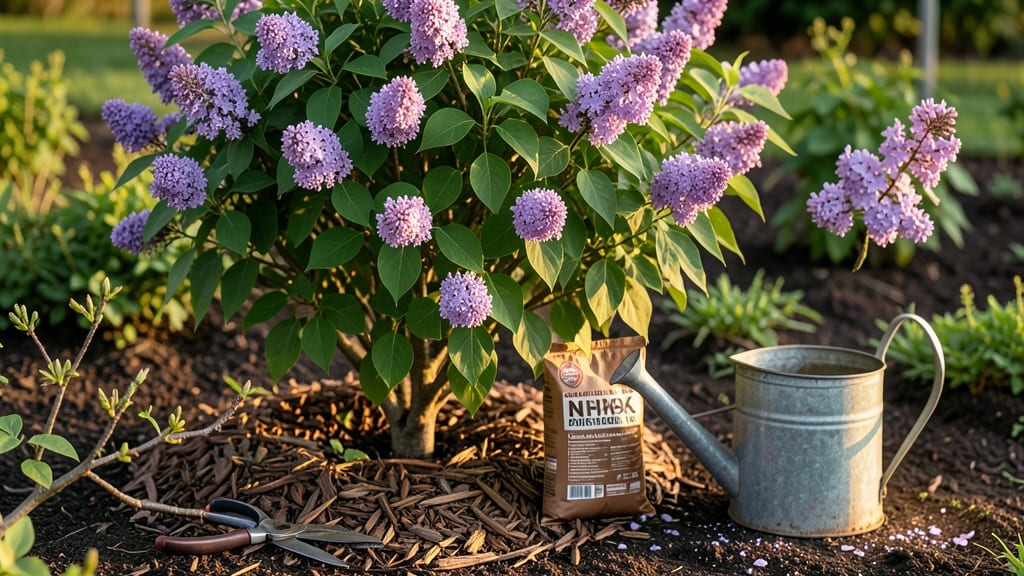
Your lilacs are begging for a second chance this spring—here’s how to make them bloom again. ✨ The secret to those fragrant purple clouds isn’t complicated—it’s timing, pruning, and feeding them what they crave.
I’ve nursed back three struggling lilac bushes using the same simple steps, and now they’re the showstopper of my yard every May. Most gardeners prune too early or too late, which stunts blooms. The magic window is right after flowering ends—never in fall or winter.
Pair that with a balanced fertilizer and consistent watering, and you’ll see buds forming by next spring. My non-blooming lilacs now produce foot-long sprays of flowers, and the neighbors ask how I did it. You’ll also learn the soil secrets that make the difference between sparse blooms and lush clusters.
Too much nitrogen? Forget flowers—you’ll get leaves. Too little water? Buds drop before opening. I’ll show you exactly how to balance both for maximum impact. Works for common lilacs, dwarf varieties, and even those stubborn old bushes that seem past saving. Let’s get those blooms back!
📚 In This Guide
- What you need
- Instructions
- Tips and common mistakes
- Wrapping up and next steps
What you need
- ● Pruning shears or loppers – Sharp, clean, and sterilized (rubbing alcohol or bleach solution works). Choose bypass-style (not anvil) for precision cuts.
- ● Gloves – Heavy-duty gardening gloves to protect against thorns and sap.
- ○ Pruning sealant (optional but helpful) – A latex-based sealant (like Tanglefoot Tree & Shrub Sealant) to prevent disease on larger cuts.
- ● Well-draining potting mix or compost – 2–3 gallons of organic compost (e.g., Miracle-Gro Garden Soil) or aged manure for amending soil.
- ● Slow-release fertilizer – A balanced 10-10-10 or 20-20-20 NPK formula (e.g., Osmocote Smart-Release Plant Food) or organic options like fish emulsion.
- ● Mulch – 2–3 inches of wood chips, shredded bark, or straw to retain moisture and regulate soil temp.
- ● Watering can or hose with a gentle spray nozzle – Aim for 1–1.5 gallons per bush during dry spells.
- ○ pH testing kit (optional) – Lilacs thrive in soil pH 6.0–7.0; adjust with lime (to raise pH) or sulfur (to lower pH) if needed.
- ● Right timing – Prune after blooming (late spring/early summer) and before new growth (early spring for shaping).
- ● Healthy lilac bush – Ensure your plant is 3–5 years old (younger bushes focus on root growth).
- ● Sunlight access – Confirm your lilac gets 6+ hours of full sun daily (partial shade is okay but reduces blooms).
- ● Well-draining soil – Lilacs hate soggy roots! Amend clay soil with sand or perlite if drainage is poor.
Step-by-Step instructions for encouraging lilac blooms
Here’s how to coax your lilacs into a spectacular spring show—no mystery involved.
✂️ Step 1: Prune After the First Major Bloom
Wait until after the first flush of flowers has fully faded and browned before touching your shears. This ensures the plant has stored enough energy for next year’s blooms. Cut back one-third of the oldest stems to the ground—these are the stems that flowered first and are now spent.
I always prune in early summer (June or July) because lilacs bloom on old wood, meaning their flower buds form the previous year. Removing old stems now encourages fresh, vigorous growth that will produce next year’s blooms. Never prune in fall or winter—you’ll cut off next season’s flowers before they form.
💧 Step 2: Water Deeply During Drought Periods
Lilacs hate soggy roots but wilting stresses them, and stressed plants skip blooming. Water deeply once a week during dry spells—1-2 inches of water per session—until the soil is moist 6 inches down. You’ll know it’s right when the soil feels damp but not dripping.
Here’s the thing—lilacs are tough once established, but young plants (under 3 years old) need consistent moisture to develop strong root systems. Mulch around the base with 2-3 inches of organic mulch (like shredded bark) to lock in moisture and keep roots cool. Just keep the mulch 3 inches away from the trunk to prevent rot.
☀️ Step 3: Feed with Balanced Fertilizer in Early Spring
Spread 10-10-10 fertilizer (or a similar balanced formula) around the drip line of the plant in early spring, just as new growth begins. Use ½ cup per plant—too much nitrogen makes leaves, not flowers. Water it in immediately to prevent root burn.
I swear by this timing because lilacs need nutrients before they push new growth. If you fertilize later, the plant will focus on foliage instead of flower buds. For established lilacs, a slow-release granular fertilizer in spring and a light application of compost in fall keeps them happy without overfeeding.
🌿 Step 4: Thin Crowded Stems for Better Airflow
If your lilac has more than 10-12 stems, some are competing for sunlight and nutrients. Remove 1-2 of the thinnest, weakest stems each year to improve airflow and flower production. You’ll see fewer but larger, more vibrant blooms next spring.
Don’t panic if you accidentally cut a stem that looks healthy—lilacs are resilient. The key is never removing more than 30% of the plant in a single year. Over-pruning stresses lilacs, and stressed plants often skip blooming entirely. Think of it like a haircut: you want to shape, not shave.
⏰ Step 5: Protect from Late Freezes
Lilac buds form in late summer, and a hard freeze in winter can destroy them before they open. Cover the plant with frost cloth or burlap if temperatures dip below 20°F during bud formation. Remove the cover once the threat passes to avoid overheating.
Here’s what I do: I monitor the weather and wrap young lilacs (under 5 years) in burlap if frost is forecasted in late winter or early spring. Mature lilacs usually handle cold better, but a little extra protection never hurts. The goal is to preserve those delicate buds—once they’re gone, you won’t see flowers until next year.
Tips & tricks for perfect lilac blooms
Real talk: these simple adjustments make all the difference between a few sad blooms and a show-stopping spring display.
Pruning Precision: When you cut back those oldest stems in Step 1, look for stems that are woody and hollow—these are the ones that flowered last year. Cut them back to the ground, but leave the younger, more flexible stems for next year's blooms. I always make my cuts at a 45-degree angle just above a bud or leaf node to encourage better regrowth. This isn't just about removing old growth—it's about shaping the plant for maximum flowering potential.
Watering Wisdom: In Step 2, those 1-2 inches of water per week should be delivered slowly to avoid runoff. I use a soaker hose or drip irrigation for this because it delivers water right at the root zone without wetting the leaves. This prevents fungal diseases that can stress your lilacs. For young plants, I check moisture by sticking my finger 2-3 inches deep—if it feels dry, it's time to water again. Don't rely on rainfall alone, especially during heatwaves.
Fertilizer Timing: That ½ cup of 10-10-10 fertilizer in Step 3 is non-negotiable timing. Apply it when you see those first pinkish buds emerging in early spring—this is when the plant is about to push new growth. I swear by this because lilacs need nutrients before they start growing, not after. For an extra boost, you can add a ¼ cup of compost around the drip line in fall, but don't overdo it—too much nitrogen now will encourage leaf growth at the expense of flower buds.
Freeze Protection Hack: When temperatures dip below 20°F in Step 5, I don't just cover the plant—I create a mini greenhouse effect. Wrap the frost cloth or burlap loosely around the plant, leaving some space at the top. This traps heat while still allowing airflow. For extra protection, I place a cardboard box over the top and secure it with bricks. This adds an extra layer of insulation without suffocating the plant. Remove everything as soon as temperatures rise above freezing to prevent overheating.
Pro Tips for Make Lilacs Bloom
- Real talk: these simple adjustments make all the difference between a few sad blooms and a show-stopping spring display.
- Pruning Precision: When you cut back those oldest stems in Step 1, look for stems that are woody and hollow—these are the ones that flowered last year.
- Watering Wisdom: In Step 2, those 1-2 inches of water per week should be delivered slowly to avoid runoff.
Frequently asked questions
Got questions about coaxing those fragrant lilac blooms into full glory? You’re not alone! Here are answers to the most common concerns—so you can enjoy a showstopping spring display without the guesswork.
Why aren’t my lilacs blooming this year?
Lilacs often skip blooming due to over-pruning (cutting back after mid-summer), nutrient deficiencies, or dormancy stress. Check your pruning timing (always prune after blooming) and fertilize with a balanced, phosphorus-rich formula in early spring. If your plant is young (<3 years), it may still be establishing roots—patience is key!
When is the best time to prune lilacs to encourage blooms?
Prune lilacs right after they finish blooming (late spring to early summer). Avoid pruning in fall or winter, as this removes next year’s flower buds. For established plants, trim only dead or overcrowded branches—never cut back more than 1/3 of the plant. Pro tip: Never top lilacs! This habit stunts blooms.
How much water do lilacs need to bloom well?
Lilacs are drought-tolerant once established, but consistent moisture (1–1.5 inches per week) during the first growing season and deep watering during dry spells encourages robust blooms. Overwatering can cause root rot, so ensure well-draining soil. Mulch around the base (2–3 inches) to retain moisture and protect roots.
Can I grow lilacs in containers, and will they bloom?
Yes! Lilacs thrive in containers if you choose dwarf varieties (like ‘Miss Kim’ or ‘Little Leaf’) and use a large pot (at least 20 gallons) with drainage holes. Ensure they get full sun (6+ hours/day) and regular feeding with a balanced fertilizer. Container lilacs may bloom slightly later but can still produce fragrant flowers with proper care.
What should I do if my lilacs bloom but have no fragrance?
Weak or no fragrance often signals stress—check for pests (aphids, spider mites), poor soil, or over-fertilizing with nitrogen (which promotes leaves over flowers). Boost blooms by feeding with a phosphorus-heavy fertilizer (like 10-20-10) in early spring and pruning lightly to improve airflow. Some modern hybrids also have less scent than heirloom varieties.
Do lilacs need winter protection to bloom next year?
Mature lilacs are hardy (USDA zones 3–7) and usually don’t need extra winter protection. However, young plants or newly transplanted lilacs benefit from a 2–3 inch layer of mulch around the base. Avoid piling mulch against the trunk to prevent rot. If you’re in an extreme climate, a light burlap wrap can shield stems from harsh winds.
Still stumped? Drop your lilac woes in the comments—we’re happy to help troubleshoot!
Wrapping up and next steps
With the right care—pruning, feeding, and watering—your lilacs can burst into showstopping spring blooms year after year! 🌸 Remember, patience and consistency are key, so don’t rush the process.
Start with a healthy plant, follow the seasonal tips, and soon, your garden will be filled with fragrant, vibrant lilacs that turn heads.
Ready to transform your lilac bushes? Grab your pruners, check your soil, and get growing! 🌱 Share your progress or ask questions in the comments—we’d love to see (and help with) your blooming success!