
How To
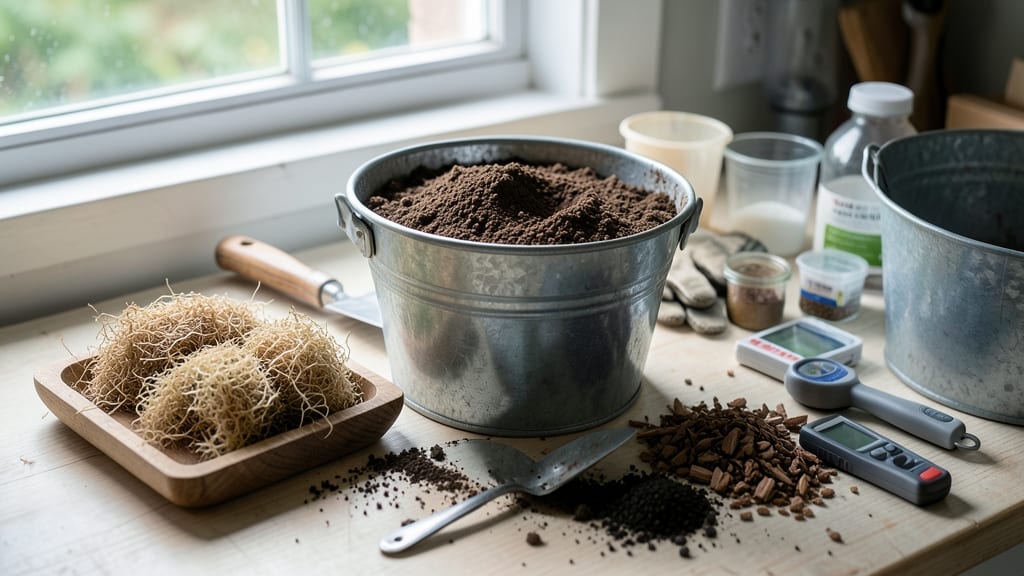
How to make potting soil at home could be 50% cheaper than store-bought. 🌱 The secret lies in your compost pile, kitchen scraps, and a few key amendments—no fancy equipment needed. I’ve made hundreds of gallons this way, and my container plants grow faster because the soil breathes better and holds nutrients longer.
Start with equal parts compost (for nutrients) and coconut coir or peat moss (for moisture retention). Add 1 part perlite or vermiculite (for drainage) and 1 part coarse sand or horticultural grit (to prevent compaction).
This basic mix works for most plants, but succulents need extra perlite to avoid rot, while veggies benefit from a dash of worm castings for extra fertility.
Sterilizing components is key—especially if reusing garden waste. Spread materials in a sunny spot for 2-3 days or bake them in the oven at 200°F for 30 minutes to kill weeds and pests.
The result? Light, fluffy soil that drains well but stays moist—exactly what potted plants crave—and you’ll never buy potting mix again.
This method scales from small containers to bulk batches, and the best part? You’re recycling waste into something your plants will thrive in. Ready to turn scraps into soil gold? Let’s get mixing.
Common Causes Of Poor Soil Mixes
Creating homemade potting soil sounds simple—just toss in some scraps and garden waste, right? But if your mix ends up compacted, waterlogged, or nutrient-poor, there’s usually a scientific reason behind it.
Understanding these causes helps you troubleshoot and refine your blend for healthier plants. Here’s why your homemade potting soil might be falling short:
🌱 Problem: Too much fresh organic material (like grass clippings, fruit peels, or uncooked veggie scraps) can create a soggy, anaerobic mess. When these materials decompose too quickly, they rob the soil of oxygen, leading to foul odors, fungal growth, and nutrient lockout.
Why it happens:
- Rapid decomposition consumes oxygen faster than roots can absorb it, suffocating beneficial microbes.
- Imbalanced carbon-to-nitrogen (C:N) ratio—fresh greens (high nitrogen) or woody debris (high carbon) throw off microbial activity. For example, a 1:1 ratio of kitchen scraps to browns (like shredded paper or dry leaves) is ideal, but most beginners skew too "green."
Actionable fix: Pre-compost kitchen scraps for 2–4 weeks before mixing, or pair them with carbon-rich materials like straw, shredded cardboard, or coconut coir.
🧱 Problem: Soil that compacts easily or drains poorly often lacks bulking agents—materials that create air pockets and improve drainage. Without them, roots suffocate, and water pools at the bottom of pots.
Why it happens:
- Fine particles dominate (e.g., pure peat moss or silt) with no coarse texture to break up density.
- Missing perlite, vermiculite, or sand—these minerals prevent clumping and promote aeration.
- Overwatering fresh mixes causes particles to cling together, reducing porosity.
Actionable fix: Add 20–30% perlite or coarse sand to your mix for every 70% organic matter. For container gardening, aim for a 40% organic : 30% bulking agent : 30% compost ratio.
🧪 Problem: Soil that’s too acidic (pH < 6.0) or alkaline (pH > 7.5) locks out essential nutrients, even if your plants have plenty of organic matter. This often stems from unchecked ingredients like coffee grounds, pine needles, or lime-rich garden waste.
Why it happens:
- Acidic additives (e.g., citrus peels, pine sawdust, or unamended peat moss) lower pH over time, making nutrients like phosphorus and potassium unavailable.
- Alkaline sources (e.g., eggshells, wood ash, or calcareous shell fragments) raise pH, reducing iron and manganese uptake.
- No buffering agents—materials like worm castings or composted manure help stabilize pH naturally.
Actionable fix:
Problem Test It Fix It Too acidic (pH < 6.0) Use a pH test kit or observe yellowing leaves with green veins. Add crushed eggshells or wood ash (sparingly) and mix in composted manure. Too alkaline (pH > 7.5) Check for stunted growth or purple stems (common in tomatoes). Amend with sulfur or peat moss, then re-test after 2 weeks.
Pro tip: 💡 Aim for a pH of 6.0–7.0 for most vegetables and herbs. Test your mix before planting!
🦠 Problem: Soil that smells sour, molds quickly, or repels worms lacks the right microbial balance. This happens when you skip composting or use raw materials that disrupt the soil food web.
Why it happens:
- Fresh manure or meat scraps attract harmful bacteria (e.g., E. coli) and pathogens, outcompeting beneficial fungi and bacteria.
- No microbial starters—worm castings, compost tea, or mycorrhizal fungi introduce the diversity needed for decomposition.
- Extreme temperatures (e.g., freezing or overheating piles) kill microbes before they can colonize.
Actionable fix:
- Always compost meat/dairy scraps separately in a dedicated bin with high heat.
- Add 10–20% worm castings or finished compost to your mix to jumpstart microbial activity.
- Keep your soil mix in a cool, shaded area (60–80°F) for 1–2 weeks before use.
Pro tip: ✨ Smell test: Good potting soil should have an earthy, slightly sweet aroma—not rotten or chemical-like.
Key takeaway: Homemade potting soil fails when it’s either too rich (overwhelming microbes) or too bare (lacking structure or nutrients). By balancing organic matter, bulking agents, and microbial life, you’ll create a mix that’s as effective as store-bought—without the guesswork.
Fixing Common Potting Soil Mistakes
Making your own potting soil is a rewarding way to ensure your plants thrive, but even the best intentions can lead to imbalances or issues. Below, we’ll tackle the most common problems—from drainage woes to nutrient deficiencies—and show you how to turn them around with simple, at-home fixes.
Plus, we’ll share prevention tips to keep your homemade mix perfect every time.
---
Cause: Too many fine particles (like pure compost or clay) without enough bulk (perlite, vermiculite, or coarse sand) can create a dense, suffocating mix.
Fix It: - Add air pockets: Mix in 1 part perlite or vermiculite per 3 parts soil to improve aeration. For heavier soils, try coarse horticultural sand (avoid regular sand—it compacts over time). - Break up clumps: If your soil is already compacted, fluff it with a fork or your hands before repotting. - Use bark or coconut coir: These add structure while retaining moisture better than sand.
Prevent It: ✅ Test your mix before using it: Scoop a handful and squeeze gently. If it holds a tight ball, add more bulking agents. ✅ Rotate ingredients: Alternate between peat moss, coconut coir, and compost to avoid over-reliance on one material.
---
Cause: Too much organic matter (like grass clippings or fresh manure) without enough gritty additives can lead to waterlogging.
Fix It: - Increase drainage: Stir in chunks of perlite, pumice, or even crushed gravel (10–20% of the total mix). For containers, ensure drainage holes are present. - Replace soggy soil: If roots are already rotting, remove the plant, refresh the soil, and repot in a well-draining mix. - Use terracotta pots: These wick away excess moisture better than plastic.
Prevent It: ✅ Avoid overwatering: Stick your finger in the soil—if the top 2 inches are damp, wait to water. ✅ Choose the right base: Start with 50% peat moss or coconut coir (for moisture retention) and 30% perlite/vermiculite (for drainage), then add compost.
---
Cause: Over-reliance on kitchen scraps (like citrus peels or coffee grounds) without balanced compost can lead to imbalances (e.g., too much acidity or salt).
Fix It: - Balance act: If your plants show signs of deficiency (yellow leaves, stunted growth), amend with worm castings (natural, slow-release nutrients) or a light dusting of bone meal (for phosphorus). - Dilute strong additives: Coffee grounds and eggshells are great, but limit them to 10% of the mix—too much can acidify soil. - Rotate greens and browns: For compost, aim for a 3:1 brown-to-green ratio (e.g., dry leaves, straw, cardboard for browns; veggie scraps, grass clippings for greens).
Prevent It: ✅ Test your compost: If using homemade compost, let it age 3–6 months before using it in potting soil. ✅ Add a slow-release boost: Mix in 1–2 tablespoons of kelp meal or alfalfa pellets per gallon of soil for a nutrient buffer.
---
Cause: Fresh, uncooked materials (like meat scraps or dairy) attract pests, while overly wet soil invites fungi.
Fix It: - Pest-proof your mix: Bake soil in the oven at 200°F for 30 minutes to kill eggs/larvae (save this for seed-starting mixes). For fungal issues, add 1 cup of cinnamon or diatomaceous earth per gallon (reapply after watering). - Quarantine new plants: If pests are already present, isolate the plant and treat with neem oil spray (1 tsp neem oil + 1 quart water).
Prevent It: ✅ Cook food scraps first: Toss meat, dairy, and oily foods in the compost pile only—never in potting soil. ✅ Sterilize containers: Wash pots with 1 part vinegar to 10 parts water before reuse.
--- Cause: Overuse of acidic additives (pine needles, coffee grounds) or alkaline ones (eggshells, wood ash) throws off the pH.
Fix It: - Test and adjust: Use a DIY pH test kit (or a spoonful of baking soda in water—if it fizzes, your soil is acidic). For acid-loving plants (like blueberries), add sulfur or peat moss. For alkaline-loving plants (like succulents), mix in crushed eggshells or lime. - Buffer with compost: Mature compost helps stabilize pH—aim for 20–30% compost in your mix.
Prevent It: ✅ Mix additives carefully: If using pine fines or coffee grounds, balance with dolomitic lime (1 tbsp per gallon). ✅ Know your plants: Research their ideal pH (e.g., 6.0–7.0 for most veggies, 4.5–5.5 for azaleas).
--- For foolproof potting soil, try this 3-layer approach in pots: 1. Bottom layer (20%): Perlite or gravel for drainage. 2. Middle layer (60%): Compost + coconut coir or peat moss for nutrients and moisture.
3. Top layer (20%): Worm castings or aged compost for gentle feeding.
This keeps roots happy, prevents compaction, and reduces waste! 🌿
Frequently asked questions
What’s the simplest potting soil mix I can make at home?
Start with equal parts compost (for nutrients) and coconut coir or peat moss (for moisture), then add 1 part perlite or vermiculite (for drainage). This basic 3-part mix works for most houseplants and herbs. For succulents, increase perlite to 50% of the mix to prevent rot.
Can I use kitchen scraps directly in potting soil?
No—fresh scraps like fruit peels or coffee grounds should never go straight into potting soil. They’ll create mold and attract pests. Instead, pre-compost them for 2–4 weeks first, or use only 10% finished compost in your mix. For extra nutrients, add worm castings instead.
How do I know if my homemade soil is too dense?
Grab a handful and squeeze—if it holds a tight ball instead of crumbling, it’s too compacted. Fix it by adding 20–30% perlite or coarse sand and fluffing with your hands. For heavy clay soils, mix in bark fines or coconut coir to improve aeration.
What’s the best way to sterilize homemade potting soil?
Spread materials in a sunny spot for 2–3 days to bake naturally, or bake them in the oven at 200°F for 30 minutes. For large batches, microwave 1-cup portions for 2 minutes (stir halfway). This kills weeds, pests, and pathogens without chemicals.
How long does homemade potting soil last?
With proper ingredients, it stays fresh for 6–12 months if stored in a cool, dry place (like a sealed bin). Check for mold or foul smells—if present, compost it and make a fresh batch. Add 1 tablespoon of cinnamon per gallon to extend shelf life naturally.