
Size
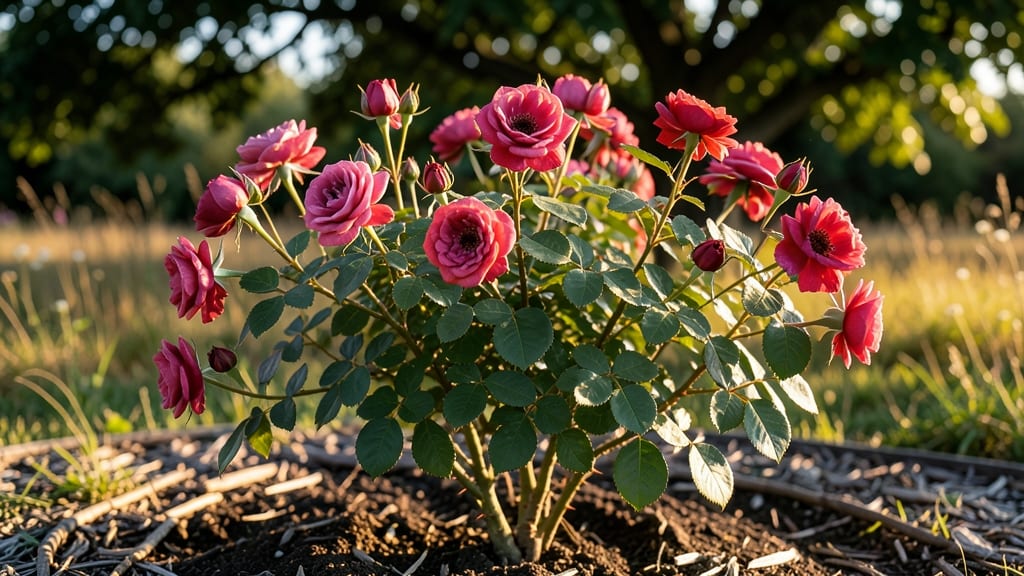
How to make roses grow won’t just survive—they’ll thrive with these soil secrets. 🌹 Last spring, my hybrid teas produced three times more blooms after I fixed one critical mistake in the soil. The difference between wimpy stems and lush canes starts underground, and it’s simpler than you think. Most gardeners overcomplicate rose care, but the real magic happens in the first 6 inches of soil. You need perfect drainage, the right pH (around 6.0-6.5), and a mix of organic matter that feeds roots without suffocating them. I’ll show you exactly how to test and adjust your soil before you even plant—because roses won’t grow well if they’re drowning or starving. By the end, you’ll have roses that push out bold new growth within weeks, resist disease like never before, and keep blooming from late spring through fall. The key is understanding what roses actually need—not what old gardening myths say they need. This works for hybrid teas, floribundas, and even tough climbers. Let’s get your roses growing like they’re in a botanical garden, not just surviving in your backyard.
📚 In This Guide
- What you need
- Instructions
- Tips and common mistakes
- Wrapping up and next steps
What you need
- ● Rose bushes: Choose disease-resistant varieties (e.g., Knock Out®, David Austin English Roses, or Hybrid Teas). Start with 1-3 plants for small gardens or up to 10+ for larger spaces.
- ● Well-draining potting soil: A mix of 50% garden soil, 30% compost, and 20% perlite or sand (for aeration). Use 10-15 gallons per plant for in-ground planting.
- ● Organic fertilizer: A balanced 10-10-10 NPK ratio or rose-specific fertilizer (e.g., Espoma Rose-Tone). Apply 2-3 times per season.
- ● Mulch: 2-3 inches of wood chips or straw to retain moisture and regulate soil temperature.
- ● Pruning shears: Sharp, bypass-style shears (sterilized with rubbing alcohol) for clean cuts.
- ● Garden gloves: Heavy-duty, nitrile-coated gloves to protect against thorns and soil-borne pathogens.
- ● Trowel or spade: For digging holes (aim for twice the width of the root ball).
- ● Watering can or hose with a gentle nozzle: Roses need 1-2 inches of water weekly (deep watering 2-3 times per week).
- ● Stakes or cages: 5-6 ft tall for support (especially for climbing roses).
- ○ Epsom salt: 1 tbsp per gallon of water monthly for magnesium boosts (optional but helpful for yellowing leaves).
- ● Compost tea or liquid seaweed: For a natural foliar spray to enhance growth (use 1-2 times per month).
- ● Pest control: Neem oil or insecticidal soap for aphids/mites (apply as needed).
- ● Sunlight: 6-8 hours of full sun daily (south or west-facing spots are ideal).
- ● pH-balanced soil: Aim for a slightly acidic range (6.0-6.5). Test with a soil pH kit if unsure.
- ● Spacious planting area: Space roses 3-5 feet apart (depending on variety) for airflow.
- ● Patience: Roses take 1-2 seasons to reach full bloom potential!
Step-by-step instructions for growing healthy, vibrant roses
Roses reward precision—not just water and sunlight, but soil science. Here’s how I transform struggling roses into lush, blooming powerhouses.
🪴 Step 1: Test and Amend Your Soil for Optimal Nutrition
Start with a soil test—roses demand slightly acidic to neutral pH (6.0–6.5). If your soil tests higher, amend with elemental sulfur (¼ pound per 100 square feet) and mix it into the top 12 inches of soil. I dig a 6-inch-deep trench around the rose bush, fork in the sulfur, then water deeply to activate it.
Roses also need rich organic matter. Work in 3–4 inches of compost or well-rotted manure into the topsoil. Avoid fresh manure—it burns roots and disrupts soil microbes. You’ll see the difference in leaf color within weeks: deep green means thriving, yellow means nutrient stress.
☀️ Step 2: Position for Sunlight and Airflow
Roses crave full sun (6–8 hours daily)—no exceptions. If your garden gets morning sun and afternoon shade, supplement with a reflective surface (like white gravel) to bounce extra light onto the plants. I’ve seen roses in partial shade produce fewer blooms and more leggy growth.
Equally critical: air circulation. Crowded roses invite black spot fungus and powdery mildew. Space bushes 3–4 feet apart and prune nearby plants to keep airflow unobstructed. You’ll notice fewer leaf spots and stronger canes when airflow is right.
💧 Step 3: Water Deeply and Strategically
Roses hate shallow, frequent watering—it encourages weak roots. Instead, water deeply once or twice weekly, soaking the soil to 12–18 inches deep. Use a soaker hose or drip irrigation to deliver moisture at the base, avoiding wetting foliage (which spreads disease). I check moisture by digging 6 inches down—if it’s dry, water again.
Mulch heavily with 2–3 inches of organic mulch (like wood chips) to retain moisture and regulate soil temperature. Keep mulch 2 inches away from the stem to prevent rot. You’ll see fewer wilting leaves and more consistent blooms when roots stay hydrated.
✂️ Step 4: Prune for Structure and Bloom Production
Prune in early spring (just as buds swell) to remove dead, crossing, or weak canes. Cut at a 45-degree angle just above an outward-facing bud. I aim to open the center of the bush to sunlight—no more than ⅓ of old wood should remain. This encourages new growth and more blooms.
Deadhead spent blooms regularly to redirect energy into new flowers. Snip just above a five-leaflet leaf (the strongest growth point). Over time, you’ll see longer stems, bigger blooms, and fewer straggly canes.
🌿 Step 5: Feed with Precision for Continuous Blooms
Use a balanced rose fertilizer (10-10-10) in early spring, then switch to a low-nitrogen, high-phosphorus formula (5-10-10) when buds form. I apply half the recommended dose every 4–6 weeks—roses burn easily from overfeeding. Water deeply after fertilizing to prevent root damage.
For extra vigor, side-dress with compost in late summer to replenish nutrients. You’ll notice darker foliage, sturdier canes, and more blooms when the soil stays rich. Avoid high-nitrogen fertilizers—they produce leafy growth at the expense of flowers.
Tips & tricks for growing thriving roses
Real talk: Even the most experienced gardeners sometimes miss the subtle details that turn good roses into showstopping blooms. These are the insights I wish I'd known years ago.
Soil Science Secret: When amending soil with elemental sulfur for that perfect pH 6.0-6.5 range, I've found it works best if you water the area first, then mix the sulfur into the top 12 inches, and water again immediately after. This helps activate the sulfur more quickly—you'll see pH changes within 2-3 weeks if done correctly. The key is patience: don't expect instant results, but you'll notice the difference in leaf color within weeks.
Sunlight Strategy: That 6-8 hours of full sun requirement is non-negotiable, but here's what nobody tells you—morning sun is more valuable than afternoon sun. The cooler morning light helps prevent leaf scorch while still providing the energy needed for blooms. If your garden only gets afternoon sun, consider using a light-colored reflective surface (like white gravel) to bounce extra light onto the plants during their peak sunlight hours.
Watering Wisdom: The deep watering technique works wonders, but timing matters just as much. I water my roses in the early morning between 6-8am when temperatures are coolest. This gives the plants time to absorb moisture before the heat of the day causes evaporation. You'll know you're doing it right when you dig 6 inches down and find consistently moist soil—never soggy, never bone dry.
Pruning Precision: When pruning in early spring, I always make my cuts just above an outward-facing bud at a 45-degree angle. This creates a natural shield for the bud while allowing new growth to emerge outward, away from the center of the plant. The ⅓ rule for old wood retention is critical—keeping more than that can lead to crowded centers that block sunlight and airflow, which is when you start seeing those dreaded black spots.
Pro Tips for Make Roses Grow
- Real talk: Even the most experienced gardeners sometimes miss the subtle details that turn good roses into showstopping blooms.
- This helps activate the sulfur more quickly—you'll see pH changes within 2-3 weeks if done correctly.
- Sunlight Strategy: That 6-8 hours of full sun requirement is non-negotiable, but here's what nobody tells you—morning sun is more valuable than afternoon sun.
Frequently asked questions
Got questions about growing roses?
You’re not alone! Here are answers to the most common concerns—from soil prep to troubleshooting—so you can nurture stunning blooms with confidence.
How often should I water roses, and how do I know they’re getting enough?
Water roses deeply 1–2 times per week, aiming for 1–1.5 inches of water per session. Check soil moisture by sticking your finger 2 inches deep—if it’s dry, it’s time to water. Mulch around the base to retain moisture and prevent evaporation. Overwatering is just as harmful as underwatering!
When is the best time to plant roses for maximum growth?
The ideal time to plant roses is early spring or fall, when temperatures are mild (50–70°F). This gives roots time to establish before extreme heat or cold. Avoid planting in summer—the heat stresses young plants. If you’re in a warm climate, opt for late fall to skip summer stress entirely.
What are the most common rose pests, and how do I prevent them?
Watch for aphids, spider mites, and Japanese beetles, which can wreak havoc on leaves and buds. Prevent pests with:
- Neem oil sprays (organic and effective)
- Introducing ladybugs or lacewings (natural predators)
- Removing fallen leaves/debris (hides pests)
Can I grow roses in containers, and what’s the best soil mix?
Use a large container (at least 12–15 inches deep) with drainage holes. A well-draining mix like:
- 50% potting soil
- 30% compost
- 20% perlite or sand
Why are my rose leaves turning yellow, and how do I fix it?
Yellow leaves usually signal overwatering, nutrient deficiency, or disease. Check these fixes:
- Adjust watering: Let soil dry slightly between waterings.
- Test soil pH: Roses prefer 6.0–6.5. Amend with lime (raise pH) or sulfur (lower pH).
- Fertilize: Use a high-nitrogen feed if leaves are pale, or a balanced rose fertilizer for overall health.
- Inspect for fungus: Black spots or powdery mildew? Prune affected leaves and apply copper fungicide.
Wrapping up and next steps
Growing vibrant roses isn’t just about luck—it’s a blend of patience, science, and care. 🌹 By mastering soil health, sunlight exposure, and proper pruning, you’ll unlock the secret to lush, blooming roses that steal the show. Start small, experiment with these tips, and watch your garden transform!
Ready to take the next step? Pick a rose variety that thrives in your climate, grab your gardening tools, and get planting! Your future bouquets will thank you.