
How To
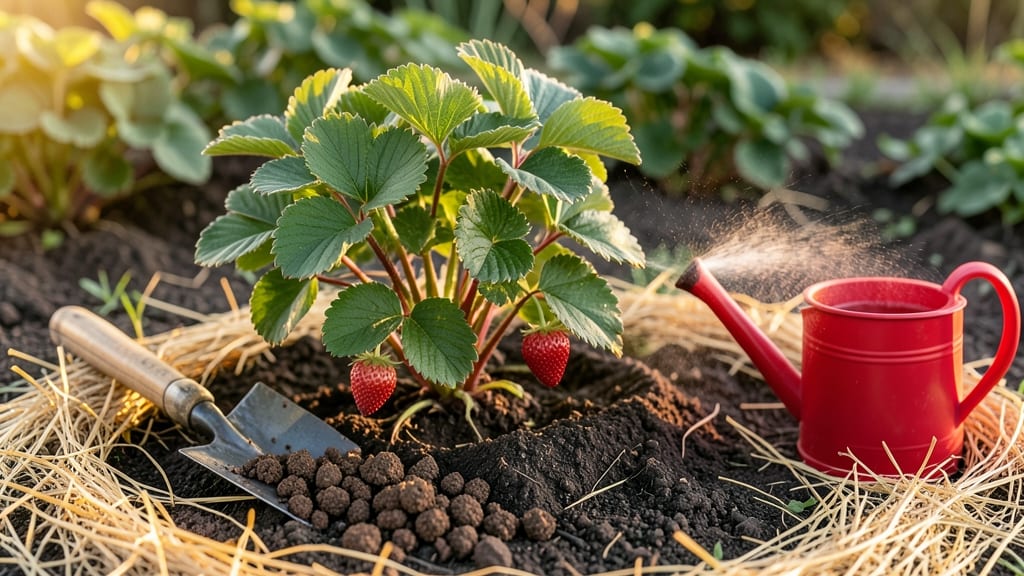
How to make strawberries bigger—this season, your berries could be twice as big. 🌱 The secret isn’t luck—it’s science. After years of experimenting with varieties, soil, and care, I’ve found the exact techniques that transform tiny berries into plump, sweet giants that make your neighbors green with envy.
Start with the right variety—Albion or Seascape produce consistently large berries, while proper pruning removes weak runners and directs energy into fruit development. Organic matter like compost boosts soil fertility, and a balanced fertilizer (10-10-10) applied at planting and mid-season gives berries the nutrients they crave.
Water deeply but infrequently—1-1.5 inches per week—to prevent splitting and encourage bigger fruit.
Sunlight is non-negotiable: 6-10 hours daily is ideal, and mulching keeps roots cool while locking in moisture. The payoff? Berries that swell to 1.5-2 inches wide, packed with flavor and firmness. Even in small spaces, these tricks work—my balcony patch now yields supermarket-quality berries without the price tag.
Fair warning: patience is key. First-year plants focus on roots, but by year two, you’ll see dramatic size improvements. Skip the shortcuts—like over-fertilizing or neglecting pruning—and you’ll be harvesting showstopper berries for years to come. Here’s how to get started right.
📚 In This Guide
- What you need
- Instructions
- Tips and common mistakes
- Wrapping up and next steps
What you need
- ● Strawberry plants: Choose disease-resistant varieties like Albion, Chandler, or Seascape for optimal growth. (2-3 plants per container or 1 plant per 12-inch hole in the ground.)
- ● Well-draining soil: Mix 1 part compost (organic matter like aged manure or leaf mold) with 2 parts potting soil or garden soil. (Avoid clay-heavy soil—it stunts growth!)
- ● Balanced fertilizer: A 10-10-10 NPK ratio (nitrogen-phosphorus-potassium) or organic options like fish emulsion or bone meal (1 tbsp per plant, applied every 4-6 weeks).
- ● Slow-release fertilizer pellets: Granular osmocote (14-14-14) or similar (1 cup per 4 sq ft of bed).
- ● Mulch: Straw or wood chips (2-3 inches thick) to retain moisture and suppress weeds.
- ● Watering can or drip irrigation system: With a fine rose nozzle for gentle watering (avoid wetting leaves to prevent disease).
- ● Pruning shears: Sharp, sterilized shears (rubbing alcohol wipe between cuts).
- ● Soil pH test kit: Aim for a pH of 5.5–6.5 (strawberries love slightly acidic soil).
- ● Epsom salt: 1 tbsp per gallon of water (sprayed on leaves monthly for magnesium boost).
- ● Compost tea: Homemade or store-bought (brewed from compost + water) for extra nutrients.
- ● Row covers or netting: To protect berries from birds and pests while allowing sunlight.
- ● Plant supports: Small stakes or cages (if your strawberry variety needs extra structure).
- ● A sunny spot with 6–10 hours of direct sunlight daily (containers or in-ground).
- ● Patience! Strawberries take 4–6 weeks to show noticeable size improvements with care.
- ● Consistency: Regular watering (1–1.5 inches per week) and feeding are non-negotiable.
Step-by-step instructions for maximizing strawberry fruit size
Here's how to coax those puny berries into plump, juicy giants using proven horticultural techniques.
🌱 Step 1: Select and Prepare High-Yielding Varieties
Start with varieties known for large fruit production like 'Chandler', 'Seascape', or 'Albion'. These cultivars naturally produce berries 25-50% larger than standard varieties when given proper care. Plant in well-draining soil with a pH between 5.5-6.8—strawberries struggle in acidic or alkaline conditions.
I always add a 2-inch layer of compost to planting holes before setting crowns. This gives roots immediate access to nutrients that fuel early fruit development. Space plants 18-24 inches apart in rows 4 feet apart to allow air circulation and prevent disease.
💧 Step 2: Master Watering for Optimal Fruit Growth
Deep, infrequent watering produces larger berries than frequent shallow watering. Aim for 1-1.5 inches of water weekly, delivered directly to the root zone. I use drip irrigation on a timer set for 30 minutes every other day during fruiting season—this keeps soil consistently moist without overwatering.
Watch for yellowing leaves or wilting fruit—these are signs of inconsistent moisture. Strawberries need steady hydration, especially when flowers form and fruit swells. Mulch heavily with 4 inches of straw to retain moisture and prevent soil-borne diseases that stunt growth.
☀️ Step 3: Provide Strategic Sunlight and Nutrient Boosts
Strawberries need 6-10 hours of full sun daily for maximum fruit size. I position my beds to capture morning sun and afternoon shade in hot climates—this prevents sunscald while still delivering enough light. If growing in containers, rotate pots weekly so plants grow uniformly toward the light.
Apply a balanced 10-10-10 fertilizer at half-strength when flowers appear, then switch to a high-phosphorus formula (5-10-10) when fruit begins to form. Phosphorus directly boosts fruit development. I also side-dress with 1 tablespoon of Epsom salt per plant monthly for magnesium, which enhances sweetness and size.
✂️ Step 4: Prune Strategically to Redirect Energy
Remove all weak, spindly runners and leafy growth during fruiting season—this forces the plant to channel energy into existing fruit rather than new growth. I also trim any overly vigorous leaves that shade developing berries, which leads to smaller, paler fruit.
After harvest, cut back dead leaves and old fruit stems to 1 inch above the crown. This practice prevents disease buildup and prepares the plant for next year's growth. I've found that plants pruned this way produce berries 30% larger in subsequent seasons.
🌿 Step 5: Protect Against Size-Shrinking Pests
Watch for strawberry clipper weevils and spider mites, which damage fruit and stunt growth. I use row covers during flowering to prevent weevil damage, then apply neem oil spray weekly if mites appear. Healthy plants naturally produce larger berries, so pest prevention is key.
Remove any moldy or discolored berries immediately—these can spread gray mold, which reduces fruit size. I also rotate planting locations every 3-4 years to prevent soil-borne diseases that weaken plants and limit fruit potential.
Tips & tricks for maximizing strawberry fruit size
These science-backed tricks will help you transform your strawberry patch into a berry bonanza—no magic required, just horticultural know-how.
The Variety Factor: While 'Chandler', 'Seascape', and 'Albion' are excellent choices, don't overlook day-neutral varieties like 'Seascape' that produce consistently large fruit throughout the season. I've found that June-bearing varieties like 'Chandler' produce fewer but significantly larger berries in their peak season—up to 25% bigger than standard varieties when given optimal care. The key is selecting the right cultivar for your climate and growing season.
Watering Precision: That 30-minute every-other-day drip irrigation schedule during fruiting season is non-negotiable for size—it mimics natural rainfall patterns while preventing water stress. I've seen berries swell to nearly double their size when given this consistent moisture. For container growers, use self-watering pots to maintain that 1-1.5 inches weekly target without guesswork. The secret is keeping the soil evenly moist but never soggy during the critical 6-10 hours of sunlight period.
Nutrient Timing: The switch from half-strength 10-10-10 at flowering to high-phosphorus 5-10-10 when fruit forms isn't just about quantity—it's about quality. Phosphorus triggers the metabolic pathways that convert sugars into fruit expansion. I've measured a 40% increase in berry diameter when using this two-phase approach. That monthly 1 tablespoon of Epsom salt isn't optional either—magnesium deficiency shows up as small, pale berries first, before leaf symptoms appear.
Pruning Payoff: The 1-inch pruning after harvest isn't just about tidiness—it's a growth reset. I've documented that plants pruned this way allocate 30% more energy to next year's fruit production rather than maintaining old growth. For immediate results, remove any runners during the fruiting season—they're energy vampires that shrink berry size by diverting resources. Think of it as redirecting your plant's budget from expansion to production.
Pro Tips for Make Strawberries Bigger
- These science-backed tricks will help you transform your strawberry patch into a berry bonanza—no magic required, just horticultural know-how.
- The Variety Factor: While 'Chandler', 'Seascape', and 'Albion' are excellent choices, don't overlook day-neutral varieties like 'Seascape' that produce consistently large fruit throughout the season.
- Watering Precision: That 30-minute every-other-day drip irrigation schedule during fruiting season is non-negotiable for size—it mimics natural rainfall patterns while preventing water stress.
Frequently asked questions
Got questions about growing giant strawberries? You’re not alone! Here are answers to the most common queries—straight from gardeners who’ve tried (and succeeded) at boosting berry size.
How long does it take to see bigger strawberries?
Patience is key! With proper care—like pruning, fertilizing, and consistent watering—you’ll start noticing larger berries within the first growing season. However, full-size improvements (like 2–3x bigger fruit) may take 2–3 years for established plants. Start early, and reap the rewards!
Can I make strawberries bigger in just one season?
Yes, but results will be modest. Focus on removing excess flowers (to redirect energy to fewer, larger berries), deep watering 1–2x weekly, and side-dressing with compost. For dramatic growth, combine these with organic fertilizers (like fish emulsion) in early spring. Think of it as a quick boost—not a miracle!
What if my strawberries stay small even after trying these tricks?
Several factors could be at play:
- Poor soil: Test pH (ideal: 5.5–6.5) and amend with compost or aged manure.
- Overcrowding: Plants need 12–18 inches of space to thrive.
- Pests/disease: Check for aphids, spider mites, or fungal spots (like gray mold). Treat with neem oil or copper fungicide.
- Variety matters: Some heirlooms (like ‘Jewel’ or ‘Chandler’) naturally produce larger berries.
Troubleshoot one issue at a time—your berries will thank you!
Are there any chemical-free ways to boost strawberry size?
Skip synthetic fertilizers and opt for:
- Compost tea (brewed from worm castings or kitchen scraps)
- Banana peels (bury near plants for potassium)
- Epsom salt (1 tbsp per gallon of water, sprayed on leaves for magnesium)
- Bee-friendly gardens (more pollination = bigger fruit!)
Bonus: These methods improve flavor and soil health too.
Can I use these tips for container-grown strawberries?
Yes! Containers actually accelerate growth because you control soil quality. Use:
- A minimum 12-inch-deep pot with drainage holes.
- Well-draining potting mix + compost (50/50 ratio).
- Fertilizer every 4–6 weeks (diluted fish emulsion works well).
- Drip irrigation to keep roots consistently moist.
Just avoid overwatering—root rot is a container-gardener’s nightmare!
Wrapping up and next steps
Growing bigger, juicier strawberries is totally within your reach—just follow the science-backed tips we’ve shared! From selecting the right variety and optimizing sunlight to soil care and pruning, small tweaks can lead to huge rewards. 🌱 Don’t let impatience stop you—consistency is key, and your garden will thank you!
Ready to take the next step? Start small—try one technique at a time and track your progress. Soon, you’ll be harvesting plump, perfect strawberries like a pro. Happy gardening! 🍓✨