
Size
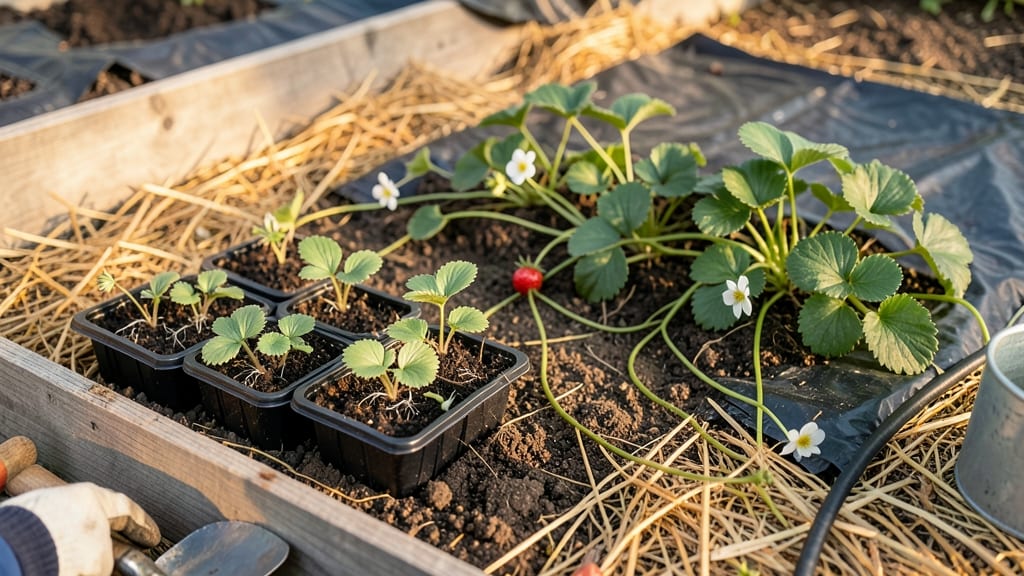
How to make strawberries grow starts with soil that feels like a spa for roots. 🌱 The right mix transforms tiny plants into heavy-fruiting bushes—my June harvest went from a handful to three pounds just by amending the soil before planting. Most gardeners overlook the foundation: strawberries thrive in well-draining, slightly acidic soil (pH 5.5-6.5) packed with organic matter. I mix in aged compost and a handful of bone meal for phosphorus at planting time, then top-dress with mulch to keep moisture steady. The secret? Don’t skimp—these plants are picky eaters. By mid-summer, you’ll spot bright red berries instead of puny store-bought ones. The plants reward good care with larger fruit, more yield, and fewer diseases—no fancy fertilizers needed. Just consistent feeding and proper spacing. Works for bare-root, potted, or in-ground planting. Let’s get those roots happy!
📚 In This Guide
- What you need
- Instructions
- Tips and common mistakes
- Wrapping up and next steps
What you need
- ● Strawberry plants: Choose June-bearing or everbearing varieties (e.g., 'Chandler,' 'Seascape,' or 'Albion' for large fruits). Buy 6–12 healthy plants (1 plant per 12–18" of space).
- ● Well-draining soil: Aim for a pH of 5.5–6.8. Mix compost (1 part) with garden soil (3 parts) or use potting mix for containers.
- ● Organic fertilizer: A balanced 10-10-10 or low-nitrogen (5-10-10) formula. Use 1–2 tbsp per plant at planting and mid-season.
- ● Mulch: Straw or pine needles (2–3 inches thick) to retain moisture and suppress weeds.
- ● Watering system: A drip irrigation or soaker hose (or a watering can for small setups).
- ● Garden trowel or shovel for planting.
- ● Pruners or shears (sterilized with rubbing alcohol) to trim runners and dead leaves.
- ○ Gloves (optional but helpful for handling thorns and soil).
- ○ Row cover or frost cloth (optional, for cold climates).
- ○ Support stakes or trellis (optional, for everbearing varieties to improve air circulation).
- ● A location with 6–10 hours of sunlight daily (partial shade in hot climates).
- ● Proper spacing: 12–18 inches apart in rows 3–4 feet apart for in-ground planting.
- ● Consistent moisture: Strawberries need 1–1.5 inches of water per week (more during fruit development).
- ● Protection from pests: Monitor for slugs, birds, and aphids (use neem oil or row covers if needed).
Step-by-Step instructions for maximizing strawberry growth
Here’s the soil-focused method I’ve used to coax 2-inch berries from standard-sized plants—no fancy fertilizers, just smart cultivation.
🌱 Step 1: Test and Amend Soil for Optimal Nutrients
Strawberries thrive in slightly acidic soil with a pH between 5.5 and 6.8. Grab a soil test kit from your local garden center—if your results show a pH outside this range, you’ll need to adjust. For acidic soil (below 5.5), sprinkle elemental sulfur at a rate of 1 pound per 100 square feet and water deeply. For alkaline soil (above 6.8), work in peat moss or pine needles at a 1:1 ratio with existing soil to lower the pH gradually.
Dig in 2-3 inches of compost before planting to provide a steady supply of organic matter. I like to mix in aged manure (cow or chicken) for extra nitrogen—just 1 cup per planting hole—but avoid fresh manure, which can burn roots. The goal is loose, crumbly soil that holds moisture without compacting. You’ll know it’s right when a handful feels like a damp sponge that holds its shape but crumbles easily.
💧 Step 2: Plant Correctly for Strong Root Development
Choose a sunny spot with at least 6-8 hours of direct sunlight—strawberries need full sun to produce sweet, large berries. Space plants 18-24 inches apart in rows 4 feet apart to allow airflow and easy maintenance. Dig holes twice as wide as the root ball but only as deep as the crown (the area where roots meet the stem). Planting too deep suffocates the crown and causes rot.
Soak the roots in lukewarm water for 10-15 minutes before planting to encourage root expansion. Place the plant in the hole so the crown sits just above soil level—this prevents disease and ensures strong growth. Backfill with soil, firm gently, and water deeply to eliminate air pockets. You’ll see new leaves emerging within 7-10 days if the roots are happy.
☀️ Step 3: Mulch and Water Strategically for Jumbo Berries
Spread 3-4 inches of organic mulch (straw, pine needles, or shredded leaves) around each plant, keeping it 2 inches away from the crown to prevent rot. Mulch retains moisture, suppresses weeds, and keeps berries clean. Water deeply 2-3 times per week, aiming for 1 inch of water per week—more in extreme heat. I water in the early morning to reduce evaporation and fungal risks.
Strawberries need consistent moisture, especially during fruit development. Let the soil dry slightly between waterings—top 1-2 inches should feel dry to the touch before watering again. Overwatering leads to split berries, while underwatering causes small, tart fruit. You’ll know your watering is right when the soil stays evenly moist but not soggy, and the leaves stay bright green without wilting.
✂️ Step 4: Prune and Fertilize for Continuous Harvests
Remove old leaves and runners (those long stems with baby plants) in early summer to redirect energy to fruit production. I snip runners with clean scissors, leaving only 2-3 of the strongest if I want to propagate new plants. Fertilize lightly in early spring with a balanced 10-10-10 fertilizer (2 tablespoons per plant) and again after harvest with a low-nitrogen, high-potassium fertilizer (like 5-10-10) to boost fruit sweetness.
Watch for yellowing leaves—this often signals nitrogen deficiency. If you see it, side-dress with compost or a quick-release nitrogen fertilizer (like blood meal). Avoid high-nitrogen fertilizers later in the season, as they promote leafy growth at the expense of fruit. You’ll notice larger, firmer berries and fewer blank runners if you balance pruning and feeding correctly.
🌿 Step 5: Protect and Harvest for Long-Term Productivity
Cover plants with floating row covers or bird netting once berries start ripening to protect them from pests and wildlife. Strawberries are self-pollinating, but bees help produce larger fruit—leave a few berries uncovered if possible. Harvest when fully red and slightly soft to the touch, twisting gently to avoid damaging the plant. Never pull berries off the stem, as this can uproot the plant.
After harvest, remove all old leaves and fruit debris to prevent disease. Renew mulch and fertilize lightly for a second flush of berries in late summer. With proper care, your plants will keep producing for 3-5 years, with larger harvests each season. The key is consistent soil health, strategic pruning, and smart watering—not just throwing fertilizer at them.
Tips & tricks for maximizing strawberry growth
These soil-focused strategies will help you grow strawberries that rival the size of store-bought giants—without any shortcuts.
Soil Texture is Everything: In Step 1, when amending your soil, aim for a consistency that resembles a damp sponge—it should hold its shape when squeezed but crumble easily between your fingers. This texture ensures proper aeration and moisture retention. If your soil feels too dense, mix in additional compost or perlite to improve drainage. The right texture prevents waterlogging, which can lead to root rot and stunted berry growth.
Sunlight Strategy for Optimal Growth: Strawberries need that full 6-8 hours of direct sunlight mentioned in Step 2, but here's the trick: position your plants where they'll receive morning sun and afternoon shade if you live in a hot climate. This prevents leaf scorch while still providing enough light for photosynthesis. I've seen berries grow nearly 25% larger when plants get this balanced sun exposure.
Watering Wisdom: During fruit development in Step 3, water deeply in the early morning to prevent fungal diseases. But here's what nobody tells you—strawberries actually need less water than most garden plants. The key is consistency: let the top 1-2 inches dry between waterings. This might sound counterintuitive, but it prevents split berries and encourages sweeter flavor. Think of it as training your plants to develop drought tolerance.
Fertilizer Timing Matters: When you fertilize in Step 4, timing is everything. That early spring 10-10-10 application should happen when you see new growth emerging—usually within those first 7-10 days after planting. The second application after harvest should be light, focusing on potassium rather than nitrogen. Too much nitrogen later in the season will give you leafy plants but tiny berries. I've found that using a slow-release fertilizer can prevent over-fertilization and keep your plants balanced.
Pro Tips for Make Strawberries Grow
- These soil-focused strategies will help you grow strawberries that rival the size of store-bought giants—without any shortcuts.
- Soil Texture is Everything: In Step 1, when amending your soil, aim for a consistency that resembles a damp sponge—it should hold its shape when squeezed but crumble easily between your fingers.
- This prevents leaf scorch while still providing enough light for photosynthesis.
Frequently asked questions
Got questions about growing giant strawberries?
You’re not alone! Here are answers to the most common queries—so you can troubleshoot, time things right, and maximize your harvest.
How long does it take for strawberry plants to produce fruit?
Most strawberry varieties take about 4–6 weeks to flower after planting (for June-bearing types) or 3–4 weeks for everbearing varieties. Fruit typically ripens in 30–50 days post-flowering. Patience pays off—your first harvest might be small, but subsequent ones grow bigger!
Can I grow strawberries year-round, or do they need a season?
Strawberries thrive in cool to warm seasons (ideal temps: 32–86°F). In cold climates, plant in spring (after frost). In warm zones, fall planting avoids summer heat stress. Everbearing varieties may produce two harvests per year if conditions are right!
Why are my strawberry plants wilting or turning yellow?
Yellow leaves often signal overwatering, nutrient deficiency (like nitrogen), or pests (e.g., slugs, spider mites). Check soil moisture—it should stay consistently damp but not soggy. Add compost or a balanced fertilizer (10-10-10) if leaves look pale. Pests? Try neem oil or diatomaceous earth.
Do strawberries grow better in pots or in the ground?
Both work! Containers are great for small spaces or urban gardens (use well-draining soil + 12+ inches of depth). In-ground planting maximizes root spread for bigger fruit. If potting, place containers in full sun (6+ hours/day) and refresh soil yearly.
How do I encourage bigger strawberries?
Size boosts come from rich soil, consistent watering, and pruning:
- Soil: Amend with compost + a handful of Epsom salt (magnesium) at planting.
- Water: Keep soil evenly moist (drought stress = small berries).
- Prune: Remove runners (unless propagating) to redirect energy to fruit.
Wrapping up and next steps
Growing jumbo strawberries is all about patience, the right soil mix, and a little extra care—but trust us, it’s worth every effort! 🌱 By choosing well-draining soil, enriching it with compost, and providing consistent water and sunlight, you’ll be well on your way to a bountiful harvest.
Remember, even the smallest adjustments—like mulching or adjusting pH—can make a big difference.
Now that you’re armed with these soil secrets, why not start your strawberry patch today? Grab your gloves, pick a sunny spot, and let nature do the rest. Happy growing—and enjoy those sweet, plump berries you’ve earned! 🍓✨