
How To
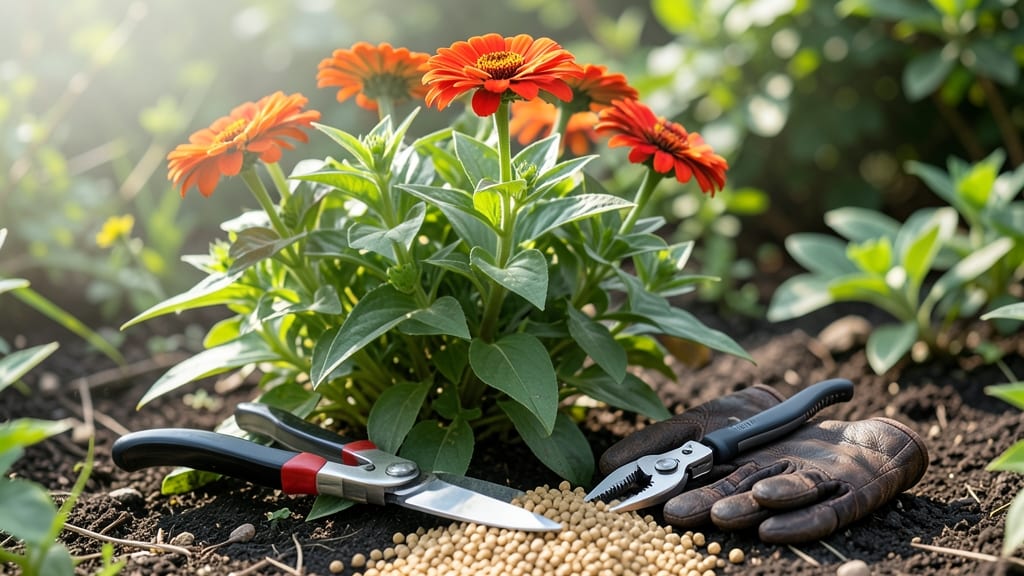
Leggy zinnias ruin the dream of a full, colorful garden. 🌻 The secret to bushy growth isn’t magic—it’s pinching, pruning, and giving them space to spread. I’ve turned my once-skinny zinnias into thick, blooming bushes by following these simple steps that actually work.
Start by spacing seedlings 12-18 inches apart—crowding stresses plants and stunts growth. Then, pinch off the top set of leaves when seedlings are 4-6 inches tall to encourage branching. Repeat every 2-3 weeks until plants reach maturity, and you’ll see new side shoots forming where you least expect them.
The payoff? A dense, vibrant plant covered in blooms instead of a few flowers on tall stems. Healthy zinnias also need 6+ hours of sunlight daily and balanced fertilizer—too much nitrogen makes them grow leaves, not flowers. Prune spent blooms regularly to keep energy flowing to new growth.
This method works for all zinnia varieties, from dwarf to giant. With a little attention, your zinnias will be the bushiest, most colorful showstoppers in the neighborhood. Ready to transform those scraggly stems? Let’s get to it!
📚 In This Guide
- What you need
- Instructions
- Tips and common mistakes
- Wrapping up and next steps
What you need
- ● Zinnia seeds or seedlings: Choose compact or bush-type varieties like Zinnia elegans (e.g., 'Benary’s Giant' or 'Crystal'). Start with 6–12 plants for noticeable results.
- ● Pruning shears or clean scissors: Use sharp, sterilized tools to avoid damaging stems. A small pair (4–6 inches) works best for precision.
- ○ Gloves (optional but recommended):strong> Lightweight gardening gloves protect hands from thorns and dirt.
- ● Balanced fertilizer (5-10-5 or 10-10-10): A slow-release granular or liquid fertilizer to nourish plants after pruning. Use ½–1 teaspoon per plant or follow label instructions.
- ● Mulch (straw or shredded bark): Spread a 2-inch layer around the base to retain moisture and suppress weeds.
- ● Watering can or hose with a gentle spray nozzle: Zinnias need consistent moisture, especially after pruning.
- ● Plant growth regulator (e.g., paclobutrazol): Apply sparingly (follow label) to encourage bushier growth in stubborn varieties.
- ● Epsom salt (magnesium sulfate): Dissolve 1 tablespoon in 1 gallon of water for a foliar spray to boost plant health.
- ● Stakes or cages: Support taller varieties (6+ inches) to prevent flopping after heavy pruning.
- ● Compost or worm castings: Mix into soil before planting for nutrient-rich growth.
Tips & tricks for perfectly bushy zinnias
Transforming leggy zinnias into vibrant, bushy plants takes just a few strategic moves—and avoiding these common mistakes makes all the difference.
Timing is Everything: The 4-6 inch height guideline in Step 1 is your golden window. I learned this the hard way after pinching too early and stunting growth—wait until you see those sturdy stems with leaves spaced about 1 inch apart. For container zinnias, this usually happens around 3-4 weeks after germination, but garden zinnias may take 5-6 weeks.
The Pruning Technique That Changed Everything: When trimming back leggy stems in Step 2, cut at a 45-degree angle just above a leaf node. This prevents water from pooling on the cut and reduces fungal risks. I also recommend using sterilized pruning shears between plants to avoid cross-contamination of diseases. For thick stems, make two diagonal cuts to create a larger surface area for healing.
Light and Spacing Secrets: The 6-8 hours of daily sun requirement isn't just about quantity—it's about quality. If your zinnias start stretching toward light (a condition called "etiolation"), rotate your containers every 2-3 days to ensure even exposure. For garden beds, space plants at the wider end of the 12-18 inch range (16-18 inches) if you want maximum bushiness—the extra space reduces competition for nutrients.
Fertilizer Strategy: That 10-10-10 fertilizer recommendation works, but here's what nobody tells you: zinnias actually prefer a slightly lower nitrogen ratio (5-10-10) once they start flowering to encourage more blooms than foliage. I switch to this ratio after the first pinch and notice a dramatic increase in flower production. Always fertilize in the morning so any excess has time to absorb before evening moisture.
Pro Tips for Make Zinnias Bushy
- Transforming leggy zinnias into vibrant, bushy plants takes just a few strategic moves—and avoiding these common mist...
- Timing is Everything: The 4-6 inch height guideline in Step 1 is your golden window. I learned this the hard way afte...
- The Pruning Technique That Changed Everything: When trimming back leggy stems in Step 2, cut at a 45-degree angle jus...
Frequently asked questions
Got questions about growing bushy zinnias?
You’re not alone! Here are answers to the most common queries to help you cultivate lush, full blooms with ease.
When is the best time to pinch zinnias for bushiness?
Pinch zinnias when they’re young—typically 6 to 8 inches tall—and just as the first true leaves appear (but before flowering). This encourages branching and a fuller plant. For summer blooms, aim for early spring or late winter starts indoors, or pinch outdoor seedlings in late spring after the last frost.
How much should I prune zinnias to keep them bushy?
Prune zinnias by removing the top 2–3 inches of growth, just above a set of leaves or a bud. Avoid cutting into woody stems. For a bushier look, repeat every 4–6 weeks during the growing season. Deadhead spent blooms too—this redirects energy to new growth!
What if my zinnias aren’t getting bushy after pinching?
If your zinnias stay leggy, check these fixes:
- Light: Ensure they get 6+ hours of sunlight daily—zinnias need full sun to branch properly.
- Water: Keep soil consistently moist (not soggy) to avoid stress.
- Fertilizer: Use a balanced, low-nitrogen fertilizer (like 10-10-10) to encourage foliage over flowers.
- Variety: Some zinnias (like ‘Benary’s Giant’) are naturally bushier than others.
Can I still pinch zinnias if they’ve already started blooming?
Yes! While younger plants respond best, you can still pinch non-flowering side shoots on mature zinnias to promote more blooms. Just avoid heavy pruning—focus on trimming back leggy stems or spent flowers. This keeps the plant productive without shocking it.
Are there zinnias that don’t need pinching to stay bushy?
Some zinnias naturally grow bushier with minimal effort, like:
- ‘Crystal’ series (compact, mounding habit)
- ‘Profusion’ (dense clusters, great for containers)
- ‘Zahara’ (self-branching, drought-tolerant)
If you’re short on time, these varieties are perfect for low-maintenance bushiness!
Wrapping up and next steps
Growing bushy, vibrant zinnias is all about timing, technique, and a little patience! 🌸 By mastering the art of pinching and pruning—removing spent blooms, deadheading, and encouraging lateral growth—you’ll transform your zinnias into lush, full plants bursting with color.
Remember, consistency is key, so stay on top of maintenance, and don’t forget to provide the right care for healthy foliage.
Now that you’re armed with these tips, roll up your sleeves and get pruning! 🌿 Watch your zinnias thrive, and soon, you’ll be the envy of every gardener with their stunning, bushy blooms. Happy gardening!