
Pruning
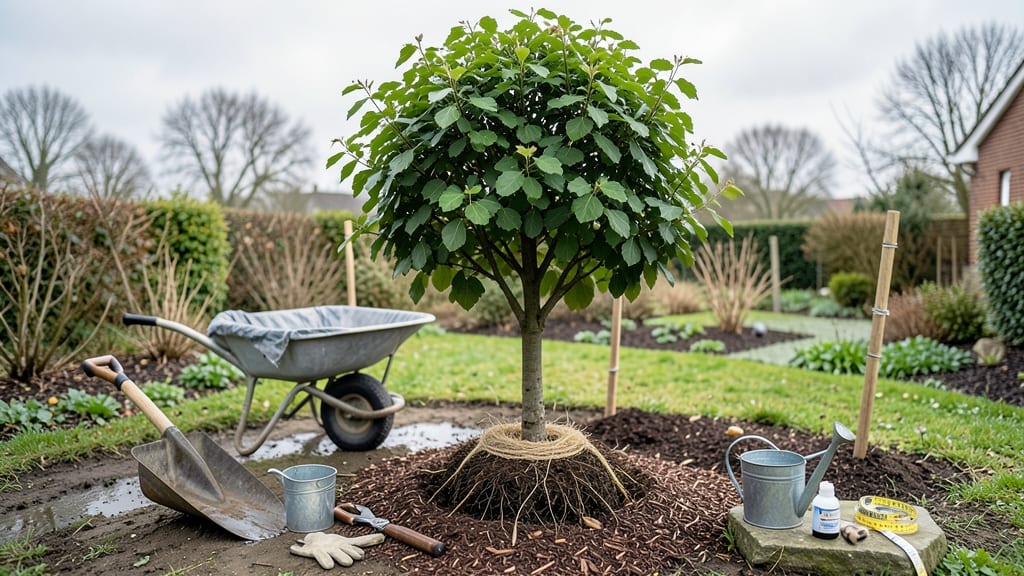
Moving a mature tree without killing it feels like moving a skyscraper—except with roots. 🌳 I've transplanted oak saplings and weeping willows, and the difference between success and failure comes down to one critical window: timing.
The dormant season (late fall or early spring) gives roots the best chance to recover before new growth starts.
First, you'll need the right tools: a transplant spade for clean cuts, burlap for wrapping roots, and a root stimulator to jumpstart recovery. The real secret? Root pruning.
Start trimming roots a month before moving—this encourages new feeder roots to form, making the tree less dependent on the old root ball. For deep-rooted species like oaks, you might need to dig a trench around the base first.
When transplanting, keep the soil ball intact—no exposed roots—and water deeply before and after moving. Mulch heavily around the base to retain moisture and reduce stress. Most trees show signs of settling within 2-4 weeks, but full recovery can take up to a year.
Prune any damaged branches immediately to redirect energy into root growth.
Species matter: shallow-rooted trees like maples handle transplanting better than deep-rooted ones like pines. Watch for wilting leaves or yellowing—these are early warning signs of transplant shock.
With patience and the right technique, even a 20-foot oak can make it through the move with minimal stress. Let’s get those roots settled safely.
📚 In This Guide
- What you need
- Instructions
- Tips and common mistakes
- Wrapping up and next steps
What you need
- ● Shovel or spade: A sharp, sturdy digging spade (18–24 inches wide) or mattress shovel (for larger trees)—renting a tree spade (if available) is ideal for precision.
- ● Root pruning saw: A pruning saw with a fine-tooth blade (8–12 inches) for clean cuts.
- ● Burlap or tree transplant fabric: 2–3 rolls (12–18 feet long, 3–4 feet wide) to protect roots during transport.
- ● Twine or nylon straps: 10–15 feet of 1-inch-wide to secure the burlap.
- ● Wheelbarrow or dolly: A heavy-duty wheelbarrow (3–4 cubic feet capacity) or tree-moving dolly for smooth transport.
- ● Watering can or hose: A 5-gallon capacity for post-transplant hydration.
- ● Root stimulator or mycorrhizal fungi: Powder or gel formula to boost root growth (e.g., Rootone or MycoApply).
- ○ Staking system (optional but recommended): 3–4 wooden stakes (1-inch diameter, 6 feet tall)
- ● Tree ties or rubberized straps to secure stakes without damaging bark.
- ● Tree cradle or sling: A custom-fitted sling for delicate or large trees (e.g., oak or maple).
- ● Soil conditioner: Compost or peat moss to amend the new planting hole.
- ● Anti-transpirant spray: Wilt-Pruf to reduce stress on leaves during transport.
- ● Gloves & knee pads: Heavy-duty gardening gloves and knee pads for comfort.
- ● Measuring tape: 25-foot tape to mark digging depth and spacing.
- ● Pruning shears: For trimming dead or damaged branches post-move.
Step-by-Step instructions for transplanting a tree safely
Here's my battle-tested method for moving trees with minimal shock and maximum survival rates.
🌱 Step 1: Prepare the New Location Before Digging
Choose a spot with similar light conditions and soil type to the tree's current home. Trees hate sudden changes in sunlight or drainage. I always dig the new hole twice as wide as the root ball and 2-3 inches deeper—this gives roots room to spread without bending upward.
Loosen the soil at the bottom of the hole with a shovel or your hands, breaking up any compacted layers. Mix in 2-3 inches of compost (if your original list included it) into the bottom third of the hole to improve drainage and nutrient availability. This prepares the perfect foundation before the tree even arrives.
🌿 Step 2: Prune and Protect the Root System
Water the tree thoroughly 2-3 days before moving to encourage root growth toward the outer edges. When you're ready to dig, use a sharp spade or root saw to cut cleanly around the root ball, keeping it as large as possible—12-18 inches in diameter for small trees, larger for mature specimens. I always mark the digging line with stakes first to avoid over-cutting.
Wrap the root ball in burlap or a tree-moving sack, securing it tightly but not strangling the roots. This protects delicate roots from drying out and makes the whole operation easier. Leave the topsoil intact—disturbing the root ball too much increases transplant shock dramatically.
💧 Step 3: Lift and Transport the Tree
Use a tree spade or digging bar to gently lift the root ball while keeping it intact. I've seen people try to drag trees by the trunk—never do this. The root ball should stay level during transport to prevent soil from spilling out. If you're moving more than 20 feet, use a wheelbarrow or dolly to avoid jostling the roots.
Keep the root ball moist during transport by covering it with a damp burlap or tarp. If you must stop, place the tree in a shaded area and water the root ball immediately. Never let it dry out—even briefly—between digging and planting. I've lost count of how many trees died from this simple oversight.
☀️ Step 4: Plant the Tree Properly in Its New Home
Lower the tree into the prepared hole, ensuring the top of the root ball sits 1-2 inches above ground level. This prevents soil from settling and burying the trunk over time. Backfill with the original soil mixed with 10-20% compost to improve fertility. Tap the soil gently as you fill to remove air pockets but don't compact it.
Form a wide watering basin around the base of the tree, sloping outward to direct water to the roots. Water deeply until the soil is saturated, then add 2-3 inches of mulch (if available) around the base, keeping it 6 inches away from the trunk to prevent rot. This protects the roots from temperature extremes and retains moisture.
⏰ Step 5: Care for the Tree Post-Transplant
Water the tree every 2-3 days for the first 4-6 weeks, checking that the soil stays consistently moist but not soggy. Deep watering encourages roots to grow outward rather than staying clustered in the root ball. I always water in the morning so the tree can absorb moisture before the heat of the day.
Stake the tree only if necessary—most healthy trees don't need support. If you do stake, use soft ties that allow some movement to prevent the trunk from girdling. Avoid pruning the tree for at least 6 months to reduce stress. Monitor for signs of stress like wilting, yellowing leaves, or fungal growth, and address issues immediately.
Tips & tricks for moving trees safely
Real talk: Moving a tree without killing it takes more than brute strength—it's about timing, technique, and respecting the roots. Here's what nobody tells you about making it through alive.
Timing is Everything: That 2-3 day pre-watering in Step 2 isn't just a suggestion—it's non-negotiable. The roots need to grow outward to the edges of the root ball, not stay clustered in the center. I've seen trees struggle for years because someone skipped this step. Water deeply enough that the soil is moist 6-8 inches down, not just surface damp. Think of it as giving the roots a last-minute pep talk before the big move.
Root Ball Rescue: When you're cutting around that 12-18 inch diameter root ball in Step 2, resist the urge to go bigger just because you can. Larger root balls take longer to establish in new soil. Instead, focus on clean cuts—use a sharp spade at a slight angle to avoid tearing roots. Wrap that root ball like it's a precious gift: burlap secured with twine, not duct tape. I once saw someone use plastic wrap, and within a week, the roots were rotting from lack of air.
Transport Like a Pro: That 20-foot rule in Step 3 isn't arbitrary—it's the point where jostling becomes dangerous. If you're moving farther, use a wheelbarrow with padded sides or a dolly with a flatbed. And for heaven's sake, keep that root ball level! I've seen people tilt trees during transport, and the soil spill-out causes more stress than the move itself. Cover with damp burlap like a burrito—it keeps roots moist and protected from windburn.
Post-Planting Secret: The 1-2 inch elevation above ground in Step 4 isn't just about looks—it's about survival. Soil settles, and you don't want the trunk buried like a time capsule. After planting, I like to create a donut-shaped berm of soil around the outer edge of the root ball. This directs water exactly where it needs to go while preventing erosion that could expose roots. And that mulch? Keep it 6 inches from the trunk like the instructions say, but add a layer of straw on top of the mulch to slow evaporation.
Pro Tips for Move A Tree Without Killing It
- Real talk: Moving a tree without killing it takes more than brute strength—it's about timing, technique, and respecti...
- Timing is Everything: That 2-3 day pre-watering in Step 2 isn't just a suggestion—it's non-negotiable. The roots need...
- Root Ball Rescue: When you're cutting around that 12-18 inch diameter root ball in Step 2, resist the urge to go bigg...
Frequently asked questions
Got questions about relocating your tree safely? You’re not alone—moving a tree without harming it requires careful planning! Here are answers to the most common concerns to help you prepare like a pro.
When is the best time of year to move a tree?
The ideal window is late fall to early spring (dormant season), when trees aren’t actively growing. Avoid summer heat or winter freezes, which stress roots. For tropical trees, aim for the wettest season—just ensure soil stays moist during recovery.
How long does it take for a tree to recover after moving?
Recovery time varies by species and size. Small trees may bounce back in 1–2 years, while large mature trees can take 3–5 years (or longer). Monitor for wilting leaves, slow growth, or dead branches—these signal stress. Mulch and deep watering speed up healing!
Can I move a tree myself, or should I hire a professional?
DIY works for small trees (under 10 feet) with proper tools (root saw, burlap, wheelbarrow). For large or valuable trees, hire an arborist—they use air spades, cranes, and expert techniques to minimize root damage. Pro tip: Never attempt it during drought or extreme weather!
What if my tree has invasive roots? Can it still be moved?
Invasive roots (like willow, poplar, or Bradford pear) complicate transplants but aren’t impossible. Prune roots aggressively before moving, and choose a well-draining location to prevent future spread. Some species (e.g., ginkgo or oak) handle root pruning better—research your tree’s type first!
How often should I water a newly transplanted tree?
Water daily for the first 2 weeks, then taper to 2–3 times per week (deep soaks, not light sprinkles). Use a soaker hose to keep roots hydrated without erosion. Yellowing leaves = underwatering; mushy bark = overwatering. Adjust based on your climate!
What if my tree dies after moving—what went wrong?
Common culprits: root damage (too much pruning), poor soil prep (compacted or nutrient-poor), or transplant shock (sudden temperature/light changes). Next time, stake young trees, use mycorrhizal fungi for root health, and avoid moving during heatwaves.
Wrapping up and next steps
Moving a tree without harming it is all about preparation, patience, and precision—but with the right techniques, you can give your tree a fresh start! 🌳✨
Ready to take the next step? Mark your calendar for the best transplanting season in your climate, gather your tools, and get ready to watch your tree flourish in its new home! 🌱💚