
Vegetables
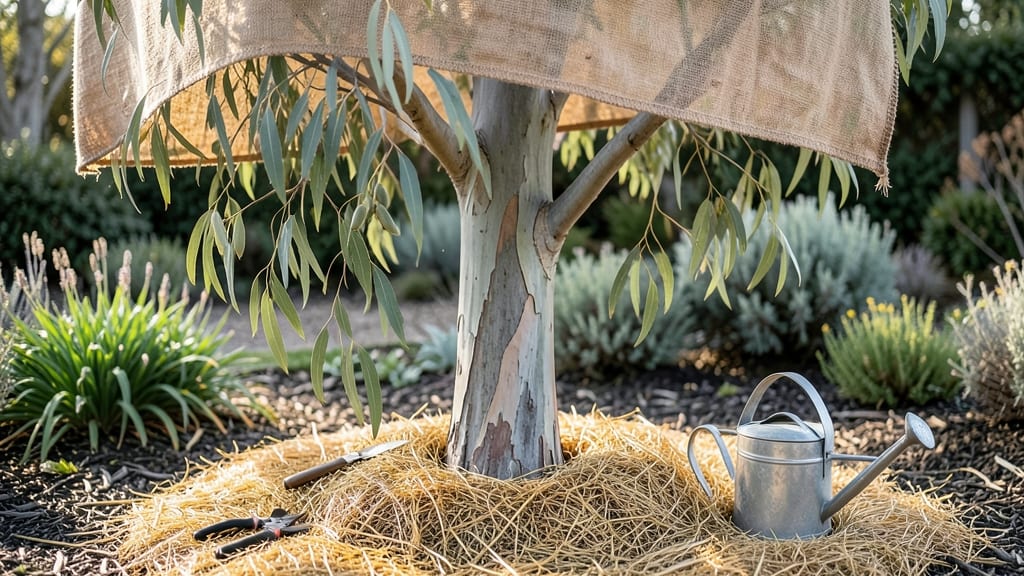
How to over winter eucalyptus isn’t as tricky as you think—it’s all about protecting tender stems from frost. 🌿 I’ve saved my own eucalyptus through multiple winters by focusing on three key moves: strategic pruning, insulating the base, and adjusting watering. Most people assume these plants can’t handle cold, but with the right approach, they’ll stay lush year-round.
The secret starts with pruning: cut back leggy growth by one-third in early fall to encourage compact, frost-resistant new growth. Then, wrap the base with 10-12 inches of mulch—straw or pine needles work best—and add a protective burlap wrap if temperatures dip below 25°F.
Water lightly in fall but cut back completely once frost arrives.
By spring, you’ll see fresh green shoots pushing through, proving your eucalyptus isn’t just surviving—it’s thriving. The foliage stays vibrant, the scent lingers, and you avoid the sad, browned stems that come from neglect. This method works for Mediterranean climates too, where winter rains can drown roots if not managed.
Fair warning: eucalyptus won’t tolerate soggy soil, so drainage is non-negotiable. If your area gets heavy winter rain, raise the plant in a container or mound soil around the base to create airflow. The payoff? Year-round greenery that smells like a spa retreat, even in January.
📚 In This Guide
- What you need
- Instructions
- Tips and common mistakes
- Wrapping up and next steps
What you need
- ● Pruning shears or loppers: Sharp, clean tools (bypass pruners work best) to trim dead or damaged branches. Size: 6-8" blades for small branches, 10-12" loppers for thicker stems.
- ● Heavy-duty gloves: Thick, cut-resistant gloves (e.g., leather or Kevlar) to protect hands from thorns and sharp edges.
- ● Disinfectant (70% isopropyl alcohol or bleach solution): 1 part bleach to 9 parts water to sterilize tools between cuts and prevent disease.
- ○ Mulch (organic or inorganic): 2-4 inches of shredded bark, straw, or pine needles to insulate roots. Optional: Add a layer of burlap or landscape fabric for extra protection.
- ● Watering can or hose with a gentle spray nozzle: For post-pruning hydration. Pro tip: Use rainwater if possible—it’s gentler on plants!
- ● Frost cloth or bubble wrap: Lightweight, breathable fabric to wrap young or delicate stems if temperatures drop below 15°F (-9°C).
- ● Plant food (balanced fertilizer, 10-10-10 or similar): A light application in early spring to boost recovery.
- ● Root stimulator gel: Apply to pruning cuts to encourage faster healing.
- ● Thermometer (soil or air): To monitor temperature extremes in your microclimate.
- ● Stakes and twine: For supporting heavy branches if your eucalyptus is young or top-heavy.
Step-by-Step instructions for overwintering eucalyptus
Here's the simple method I've used to keep eucalyptus thriving through cold months—no fancy equipment needed.
🌿 Step 1: Assess Your Plant's Cold Hardiness
Eucalyptus are tropical natives and typically tolerate only 10-15°F for short periods. Check your plant's specific variety—some like 'Gunnii' handle 20°F better than others. Look for signs of stress like yellowing leaves or leaf drop, which signal it's time to act before a hard freeze.
Here's the thing—younger plants under 2 years old are far more vulnerable. If your plant is still small, it won't survive outdoor winters in most climates. I always move mine indoors before temperatures drop below 35°F for more than a few hours.
✂️ Step 2: Prune for Indoor Transition
Before bringing your eucalyptus inside, give it a light pruning to remove any dead or yellowing leaves. Use clean, sharp pruners to make cuts just above a leaf node. This reduces the plant's size, making it easier to accommodate indoors and encouraging bushier regrowth.
Don't overdo it—you shouldn't remove more than 1/3 of the foliage. The goal is to refresh the plant, not shock it. I also like to trim back any leggy growth that's stretching toward light sources, as this helps the plant adjust better to lower indoor light levels.
🪴 Step 3: Acclimate to Indoor Conditions
Move your eucalyptus to a bright, indirect light location indoors—near an east or south-facing window works best. Avoid direct sunlight, which can scorch the leaves. If you notice leaves dropping within the first week, it's likely due to sudden environmental changes rather than cold damage.
Keep the humidity up by placing the pot on a tray filled with pebbles and water. Mist the leaves lightly every 2-3 days to mimic the moist conditions eucalyptus prefers. I also avoid placing it near heating vents, as dry air and temperature fluctuations stress the plant.
💧 Step 4: Adjust Watering and Fertilizing
Eucalyptus need less water indoors than outdoors, but the soil should never dry out completely. Water when the top 1-2 inches of soil feel dry to the touch. Overwatering is a common mistake—yellowing leaves often signal root rot from too much moisture.
Hold off on fertilizing until spring. The plant is in a dormant-like state indoors and doesn't need extra nutrients. Once you move it back outside in spring, resume feeding with a balanced fertilizer every 6-8 weeks to encourage new growth.
☀️ Step 5: Prepare for Spring Transition
When temperatures consistently stay above 50°F at night, it's time to acclimate your eucalyptus to outdoor conditions. Start by placing it outside in a shaded spot for 2-3 hours daily, gradually increasing exposure over 1-2 weeks. This slow transition prevents leaf burn and shock.
Watch for new growth as a sign the plant is adjusting well. Once fully outdoors, prune again to shape the plant and remove any dead growth from winter. I always fertilize lightly at this time to support the plant's recovery and new growth phase.
Tips & tricks for overwintering eucalyptus
Took me years to figure out these little details that make all the difference between a eucalyptus that makes it through winter looking sad and one that thrives.
Temperature Watch: The 35°F threshold isn't just a random number—it's when eucalyptus cells start freezing. I've learned to monitor local forecasts and move plants indoors when overnight lows approach 40°F. For extra protection, you can cover outdoor plants with frost cloth if you're waiting until the last minute, but don't rely on it for more than a few nights.
Pruning Precision: When you're trimming in Step 2, focus on removing only the obvious dead leaves and leggy growth—never more than 1/3 of the foliage. I use a magnifying glass to check for tiny pests hiding in the leaf axils, which is especially important if you've had issues with spider mites before. Clean your pruners with rubbing alcohol between cuts to prevent spreading any potential diseases.
Light Strategy: While east or south-facing windows are ideal, don't panic if that's not an option. Supplement with a grow light for 12-14 hours daily if natural light is insufficient. I've seen eucalyptus survive on just fluorescent lighting, though growth will be slower. The key is consistency—eucalyptus hate sudden light changes, so avoid moving the plant around once it's settled indoors.
Humidity Hack: The pebble tray method works, but for maximum humidity, place the pot on a bed of moss or sphagnum peat. Keep the moss moist but not soggy—it should feel like a damp sponge. This creates a microclimate that mimics eucalyptus' native tropical environment. I also group my indoor eucalyptus with other houseplants to increase ambient humidity.
Pro Tips for Over Winter Eucalyptus
- Took me years to figure out these little details that make all the difference between a eucalyptus that makes it through winter looking sad and one that thrives.
- Temperature Watch: The 35°F threshold isn't just a random number—it's when eucalyptus cells start freezing.
- Pruning Precision: When you're trimming in Step 2, focus on removing only the obvious dead leaves and leggy growth—never more than 1/3 of the foliage.
Frequently asked questions
Got questions about keeping your eucalyptus thriving through winter? You’re not alone! Here are some of the most common concerns—and straightforward answers—to help you overwinter with confidence.
How cold can eucalyptus tolerate before it needs protection?
Most eucalyptus varieties thrive in USDA zones 8–11 and can handle brief dips to 20–25°F without damage. However, prolonged exposure below 15°F risks leaf drop or dieback. If your area dips lower, use frost cloth or move potted plants to a sheltered spot (like a garage or porch) for the season.
Can I overwinter eucalyptus in containers, or is it better in the ground?
Both work, but potted eucalyptus is easier to move indoors or under cover during freezes. If planted in the ground, mulch heavily (3–4 inches of straw or wood chips) and wrap the trunk with burlap for extra insulation. Just avoid soggy soil—drainage is key!
When should I prune eucalyptus for winter prep?
Prune late winter or early spring (just before new growth starts) to shape the plant and remove dead/diseased branches. Avoid heavy pruning in fall—it stresses the tree and leaves it vulnerable to cold. Light trimming to improve airflow is fine, but save major cuts for warmer months.
What do I do if my eucalyptus loses leaves in winter?
Leaf drop is normal in cold snaps, but don’t panic! If the trunk and buds stay healthy, the tree will regrow leaves in spring. Water sparingly (only when soil is dry) and avoid fertilizing until temperatures rise. If the trunk cracks or oozes sap, it may be severely damaged—consider replacing it.
Are there winter-hardy eucalyptus alternatives for cold climates?
If your zone is below 8, try Corymbia citriodora (lemon-scented gum) or Eucalyptus gunnii (dwarf blue gum), which tolerate 10–15°F with protection. For even colder areas, opt for non-eucalyptus evergreens like olive trees or boxwoods—they’re just as fragrant and easier to overwinter!
Wrapping up and next steps
Overwintering your eucalyptus isn’t just about survival—it’s about keeping your space vibrant and full of life, even when temperatures drop. 🌿 With the right pruning, protection, and care, you can enjoy its lush greenery year-round.
Start small, stay consistent, and soon you’ll have a thriving eucalyptus that stands strong through every season!
Ready to take the next step? Grab your tools, follow the steps above, and watch your eucalyptus flourish! 🌱