
Vegetables
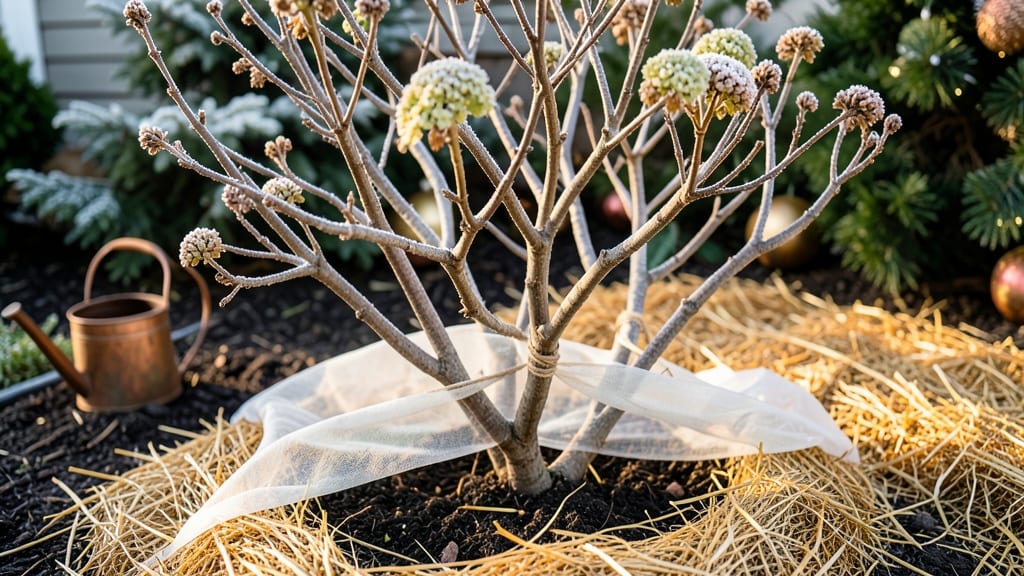
How to over winter vegetables saves your harvest—and your wallet. 🌱 Last winter, I nearly lost my entire kale crop to frost, but a few simple techniques kept it thriving until spring. The key isn’t just covering plants; it’s understanding what each vegetable truly needs to survive cold snaps while staying productive.
You’ll need basic supplies like frost cloth, straw mulch, and row covers—nothing fancy. For tender crops like tomatoes or peppers, bring them indoors or use cold frames. Hardy greens like spinach and kale just need extra mulch to insulate roots.
Even potatoes and onions can be stored in cool, dark basements until planting season. The goal is to mimic nature’s protection without overcomplicating things.
By spring, you’ll have plants ready to bolt into growth instead of struggling to recover. Imagine pulling fresh spinach straight from the garden in March or harvesting carrots stored in damp sand.
The payoff is a head start on the season, fewer seed purchases, and a garden that keeps giving long after frost season ends.
Works for any climate—just adjust timing and materials. Northern gardeners focus on insulation; southerners might just need shade. Here’s how to make it work for your zone without guessing.
📚 In This Guide
- What you need
- Instructions
- Tips and common mistakes
- Wrapping up and next steps
What you need
- ● Storage Containers: Plastic bins (5–10 gallon size, with tight-fitting lids) – 2–4 containers
- ● Wooden crates or baskets (for ventilation) – 1–2
- ● Paper bags or perforated plastic bags (for leafy greens) – 5–10
- ● Insulation: Newspaper or shredded paper – 1–2 sheets per container
- ● Straw or wood shavings (for root crops) – 1–2 inches per veggie
- ● Cooling Space: Unheated garage, root cellar, or basement (ideal temp: 32–40°F)
- ● Refrigerator (for delicate greens like spinach or kale)
- ● Harvesting Tools: Sharp pruners or garden shears – 1 pair
- ● Clean knife or harvesting knife – 1
- ● Humidity trays (for extra moisture retention) – 1–2
- ● Food-grade diatomaceous earth (to deter pests) – small bag
- ● Thermometer (to monitor storage temp) – 1
- ● Clothespins or rubber bands (to secure bags/containers)
- ● Labels and markers (to track harvest dates)
Tips & tricks for perfect overwintering vegetables
Here's what nobody tells you about keeping your garden alive through the cold months.
Variety Selection: When choosing cold-hardy vegetables in Step 1, prioritize those with thick stems or leaves—like kale and spinach—as they handle frost better than delicate varieties. I learned this the hard way after losing an entire row of lettuce to a single hard freeze. For root vegetables, select varieties known for their cold tolerance, such as 'Winterbor' kale or 'Detroit Dark Red' beets. These specific types are bred to withstand temperatures down to 15°F, making them ideal for overwintering.
Mulch Depth Matters: In Step 2, the 4-6 inches of mulch is non-negotiable for proper insulation. I used to skimp on mulch thickness, thinking "a little will do," but that led to heaved soil and frozen roots. Use straw or leaves—avoid grass clippings, which can mat down and trap moisture. For extra protection during extreme cold snaps, double down with a thick layer of straw on top of your regular mulch. This creates an additional insulating barrier that can make all the difference when temperatures plunge below 20°F.
Monitoring Strategy: The 2-3 week check-ins in Step 3 are crucial, but timing matters. Schedule your checks during mild spells—when temperatures hover around freezing—so you're not trudging through snow. I keep a small broom and a pair of gloves handy for these visits. Look for signs of stress like yellowing leaves or wilted stems, which can indicate frost damage or pest issues. Addressing these early can save your entire crop from winter decline.
Cold Frame Placement: When building cold frames in Step 4, location is everything. Place them in the sunniest spot available, but avoid areas where cold air pools—like low spots in your yard. I've found that positioning cold frames against a south-facing wall maximizes heat absorption. For hoop houses, ensure they're anchored securely to handle winter winds. The 10-15°F temperature boost they provide can mean the difference between a thriving crop and one that barely survives.
Pro Tips for Over Winter
- Here's what nobody tells you about keeping your garden alive through the cold months.
- 🌱 Variety Selection: When choosing cold-hardy vegetables in Step 1, prioritize those with thick stems or leaves—like...
- 🧊 Mulch Depth Matters: In Step 2, the 4-6 inches of mulch is non-negotiable for proper insulation. I used to skimp o...
Frequently asked questions
Got questions about overwintering veggies? You’re not alone! Here are answers to the most common concerns—plus pro tips to keep your harvest thriving until spring.
What’s the best way to overwinter vegetables without a root cellar?
No root cellar? No problem! Use a cool basement, garage with insulation, or even a well-shaded shed. Line containers with straw or sawdust, group veggies by storage needs (e.g., potatoes with carrots), and monitor humidity with a hygrometer. For small spaces, try cloche tunnels or row covers to extend outdoor growth.
How do I know when it’s too cold to leave veggies outside?
Most cold-hardy veggies (like kale, carrots, and beets) tolerate temps down to 15–20°F, but frost can damage tender leaves. Check your USDA Hardiness Zone—Zone 5+? Harvest before 25°F. For overwintering, aim to move crops indoors or under protection 2–3 weeks before hard frosts (usually late fall).
Can I overwinter vegetables in containers or pots?
Use large, sturdy containers (at least 12" deep) with drainage holes. Fill with a mix of sand and compost to improve aeration, then bury pots in straw or mulch outdoors. For indoor pots, place them in a cool (35–40°F), dark spot like a basement. Avoid plastic bins—clay or fabric pots breathe better.
How do I prevent pests and rot during overwinter storage?
Inspect veggies for cuts, bruises, or pests before storing—discard damaged ones to avoid rot. Use food-grade diatomaceous earth or neem oil on containers, and separate root veggies (like potatoes) from leafy greens. Store in well-ventilated crates or mesh bags, and check weekly for mold or soft spots.
What vegetables overwinter best in my climate?
Climate matters! Cold climates (Zones 3–5): Try beets, carrots, cabbage, kale, and potatoes. Mild climates (Zones 6–8): Spinach, Swiss chard, and broccoli thrive. Warm climates (Zones 9–10): Overwinter sweet potatoes, collards, or even winter squash in a shaded spot. Local extension offices can tailor recommendations!
Wrapping up and next steps
Overwintering your favorite vegetables isn’t just about survival—it’s a rewarding way to extend your harvest and save money while enjoying fresh flavors long after the frost. Whether you’re root cellaring, layering greens, or storing tubers, the key is preparation, patience, and the right conditions.
With these cold-hardy storage secrets, you’ll be feasting on homegrown goodness well into the new year! 🥕❄️
Now that you’re armed with the know-how, take action! Start small—pick one or two veggies to overwinter this season and build from there. Before you know it, you’ll be a pro, sharing your bounty with friends or even expanding your garden’s resilience.
Happy storing, and may your pantry stay abundant all winter long! 🌱✨