
Container Gardens
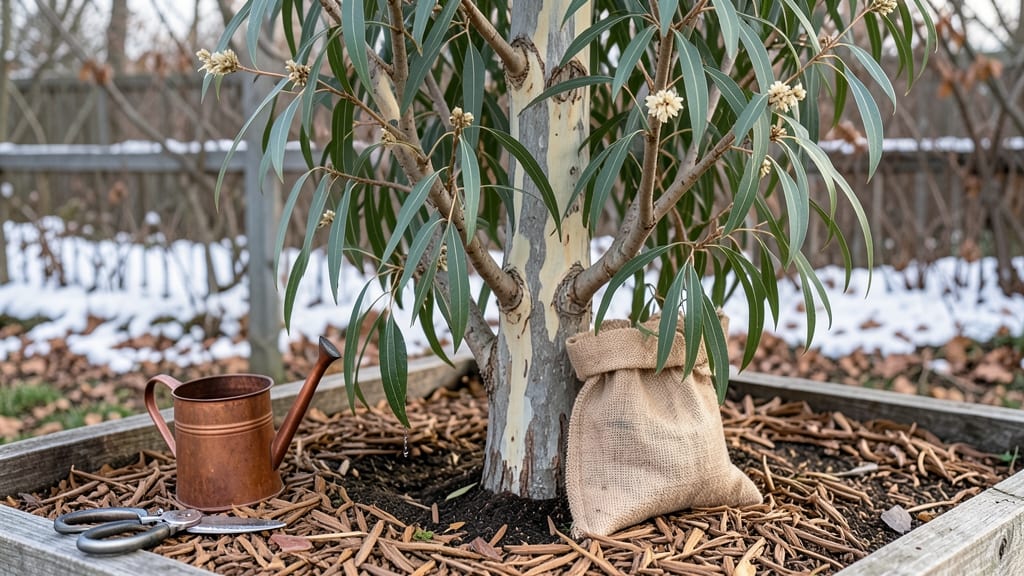
How to overwinter eucalyptus could save your plant from winter’s worst—it’s all about timing and protection. 🌿 I’ve kept mine thriving through Zone 6 winters by treating it like a delicate houseguest: bring it inside early, shield it from drafts, and avoid sudden temperature swings. The key is acting before the first frost, not waiting until the damage is done.
Start by moving potted eucalyptus to a garage or unheated basement where temps stay above 20°F. Wrap the pot in bubble wrap or burlap to insulate roots, and group plants together to create a microclimate.
For in-ground plants, mound 4-6 inches of mulch around the base—straw or pine needles work best—and consider wrapping the trunk in burlap for extra defense.
The payoff? Lush, fragrant foliage that greets spring weeks ahead of schedule, with minimal stress on the plant. Prune back any frost-damaged branches in early spring, but hold off until new growth appears—this helps the plant recover faster. The smell of fresh eucalyptus in late winter is worth every step.
Regional tweaks matter: Zone 7+ gardeners can try outdoor overwintering with extra mulch, while Zone 5 and colder need to bring plants indoors. The biggest mistake? Waiting until frost hits—eucalyptus can’t bounce back from frozen roots. Start now, and you’ll have a head start on next year’s growth.
📚 In This Guide
- What you need
- Instructions
- Tips and common mistakes
- Wrapping up and next steps
What you need
- ● Container (if repotting): 1–2 large pots (12–18" diameter) with drainage holes; terracotta or fabric pots preferred for breathability.
- ● Well-draining potting mix: 5–10 gallons of a blend with perlite, sand, and peat moss (or cactus/succulent mix).
- ● Mulch: 2–3 inches of straw, pine needles, or shredded bark (avoid wood chips near roots).
- ● Burlap or frost cloth: 1–2 rolls (for wrapping containers or young plants; breathable, not plastic).
- ○ Garden twine or ties: To secure wraps (optional but helpful).
- ● Watering can with rose attachment: For deep, gentle watering (avoid overhead spraying).
- ○ Thermometer (optional): Soil probe type to monitor root temps (ideal: 40–60°F).
- ● 🌡️ Chill-proof boost: Mix in 10% compost for extra nutrients—eucalyptus loves to feast even in winter!
- ● ✨ Container hack: Nest pots in insulated trays or use Styrofoam cups as spacers for extra cold protection.
- ● 🚫 Avoid: Heavy clay pots (they retain too much moisture); eucalyptus hates soggy roots!
Step-by-Step instructions for overwintering eucalyptus
Here's how I keep my eucalyptus thriving through winter—no fancy equipment, just smart prep.
☀️ Step 1: Choose the Right Location for Protection
Eucalyptus can't handle frost, so I move potted plants to a sheltered spot before temperatures dip below 32°F. A garage, sunroom, or even a covered porch works well—just avoid unheated spaces where temps fluctuate wildly. If you're overwintering in the ground, mound 3-4 inches of mulch around the base to insulate roots.
Here's the thing—eucalyptus needs light even in winter. A south-facing window or under grow lights for 6-8 hours daily keeps leaves vibrant. If your space is dark, you'll see leaves yellow and drop faster than you'd expect. I test light levels by holding my hand near the plant—if it's dimmer than a cloudy day outside, supplement with a basic LED bulb.
🪴 Step 2: Adjust Watering for Winter Dormancy
Watering changes dramatically in winter. Instead of weekly soaks, I check soil moisture every 10-14 days—only water when the top 2 inches feel dry. Overwatering in cool temps suffocates roots and causes rot. I use a moisture meter for accuracy, but you can also stick your finger in the soil: if it's damp past your first knuckle, wait longer.
Reduce fertilizer completely during dormancy. Eucalyptus stores energy in its leaves, and feeding it in winter just encourages weak, leggy growth. I resume feeding in early spring when new shoots appear. Watch for crispy leaf edges—that's your sign the air is too dry, not the water.
✂️ Step 3: Prune and Monitor for Pests
Light pruning in late winter removes dead or yellowed leaves, but avoid heavy cuts—eucalyptus blooms on old wood. I snip just above a leaf node with clean, sharp shears. Disinfect tools with rubbing alcohol between cuts to prevent bacterial spread. If you see sticky residue on leaves, wipe them down with soapy water—aphids and scale love winter-dormant plants.
Inspect stems for webbing or white cottony patches (mealybugs). These pests thrive in dry indoor air. If you spot them, isolate the plant and treat with neem oil spray (mix 1 tsp per quart of water). Repeat every 5 days until pests disappear. Here's the trick: neem oil works best when applied in the evening—less sunlight means less stress on the plant.
🌱 Step 4: Acclimate Back to Outdoors in Spring
When nighttime temps stay above 40°F consistently, it's time to move eucalyptus back outside. I start by placing pots in a shaded spot for 2-3 hours the first day, gradually increasing exposure over 7-10 days. Sudden sun exposure burns leaves faster than you'd think—you'll see white or brown patches appear within hours.
Hardening off also means reintroducing natural wind. Place plants where they'll get gentle breezes to toughen stems. Once fully acclimated, fertilize with a balanced 10-10-10 formula and resume regular watering. You'll notice new growth within 3-4 weeks—that's your reward for careful overwintering.
⏰ Step 5: Plan for Long-Term Cold Protection
For truly cold climates (below 15°F), consider wrapping the pot in bubble wrap or frost cloth and burying it in the ground up to the rim. I've done this with young trees and lost zero foliage. If you're overwintering in containers, avoid freezing temps by moving plants to an unheated garage where temps stay above 25°F. A thermometer near the plant helps track conditions.
This is the moment that matters: if you see any frost damage in spring, prune back to healthy green tissue immediately. Eucalyptus recovers surprisingly well—just avoid cutting into brown, mushy areas. With these steps, your plant will look just as lush in May as it did in September.
Tips & tricks for perfect eucalyptus overwintering
These little details make all the difference between a eucalyptus that survives winter and one that thrives.
Light Level Test: That hand test for light levels in Step 1 is my secret weapon. Hold your hand near the plant—if you can't see your fingers clearly, it's too dark. I've seen eucalyptus leaves turn yellow in dim spaces within days. A basic LED bulb on a timer for those 6-8 hours makes a world of difference, especially in north-facing rooms.
Watering Precision: The finger test in Step 2 is foolproof, but here's what I do differently: I always check moisture in the morning when soil is naturally cooler. If your finger comes out completely clean, wait another 3-4 days. I've had rot issues from overwatering when people assumed "dry" meant "bone dry"—the top 2 inches should feel dry to the touch, not like a desert.
Pest Prevention: Neem oil works wonders, but timing matters. Apply it in the evening when the plant's natural defenses are more active. I also recommend misting leaves with water before treatment—this helps the neem oil adhere better and prevents it from dripping off. The 5-day repeat schedule is key; pests rebuild quickly if you skip applications.
Acclimation Strategy: When hardening off in Step 4, I start with just 2 hours on day one, even if the weather seems mild. Sudden sun exposure can cause leaf burn that looks like frost damage. Gradually increase exposure by 30-60 minutes each day—your eucalyptus will thank you with vibrant new growth in spring.
Pro Tips for Overwinter Eucalyptus
- These little details make all the difference between a eucalyptus that survives winter and one that thrives.
- Light Level Test: That hand test for light levels in Step 1 is my secret weapon. Hold your hand near the plant—if you...
- Watering Precision: The finger test in Step 2 is foolproof, but here's what I do differently: I always check moisture...
Frequently asked questions
Got questions about keeping your eucalyptus thriving through winter? You’re not alone! Here are some of the most common concerns—and straightforward answers—to help you overwinter with confidence.
Can eucalyptus survive freezing temperatures?
Most eucalyptus species are not cold-hardy and will suffer damage below 20°F (-6°C). However, Eucalyptus pauciflora (snow gum) and E. cinerea (argentinean gum) can tolerate brief dips to 10°F (-12°C). For others, overwintering indoors or with protective measures is key!
When should I bring my eucalyptus inside for winter?
Move potted eucalyptus indoors before the first frost—typically late fall (October–November) in most climates. If your plant is outdoors in the ground, focus on mulching and wind protection instead. Pro tip: Gradually acclimate it to indoor light to avoid shock!
What’s the best indoor spot for overwintering eucalyptus?
Place your eucalyptus near a south- or west-facing window for bright, indirect light. Avoid drafts, heating vents, or direct sunlight (which can scorch leaves). If growth slows, supplement with a grow light 12–14 hours daily for optimal health.
How often should I water eucalyptus in winter?
Reduce watering in winter—let the top 1–2 inches of soil dry out between waterings. Overwatering can lead to root rot, especially in cooler indoor conditions. Use a moisture meter or stick your finger in the soil to check!
Can I overwinter eucalyptus outdoors with protection?
Yes! For ground-planted eucalyptus, mulch heavily (4–6 inches) with straw or bark, wrap the trunk in burlap, and add a windbreak. In extreme cold, cover the plant with frost cloth. Avoid plastic, which traps moisture and can cause rot.
What if my eucalyptus loses leaves in winter?
Leaf drop is normal in winter due to stress or low light. Prune dead branches to encourage new growth in spring. If the plant stays green but leggy, it’s likely just adjusting—no cause for alarm! Boost humidity with a pebble tray if leaves look dry.
Wrapping up and next steps
Overwintering eucalyptus doesn’t have to be a challenge—with the right preparation, protection, and care, your cold-hardy varieties can thrive even in chilly months! 🌿 Whether you’re wrapping them, insulating containers, or choosing the toughest species, these tricks ensure your eucalyptus stays lush and vibrant.
Now that you’re armed with the know-how, take action: assess your plants, gather supplies, and give them the cozy treatment they deserve before the first frost hits.
Ready to keep your eucalyptus green all year long? Start planning your overwintering strategy today—your future self (and your garden) will thank you! 🌟