
Picking
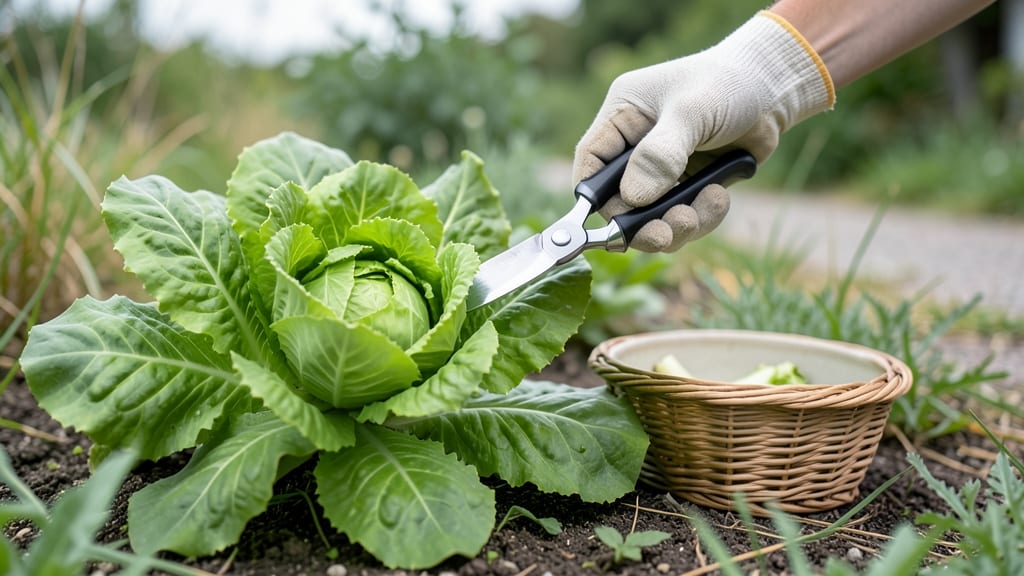
How to pick lettuce so it keeps growing—without turning your garden into a sad, stunted lettuce graveyard. 🌱 The secret lies in cutting outer leaves (not the whole head) and giving your plant a fighting chance to bounce back. I learned this the hard way after chopping off my first full head and watching it bolt faster than a rabbit in a garden store.
Timing matters: wait until leaves reach 3-4 inches tall, then snip the outer leaves with clean scissors, leaving the inner core intact. This method keeps your plant producing for weeks or even months—I’ve had butter lettuce regrow enough for three harvests in a single season.
The key is patience: never take more than a third of the plant at once, or you’ll shock it into flowering.
After cutting, water deeply to help the plant recover, and add a light dose of compost or balanced fertilizer to replenish nutrients. I swear by a 1-inch layer of compost around the base—it’s like giving your lettuce a protein shake after a workout.
Mulch with straw to keep moisture in and weeds out, and you’ll see new growth in as little as 5-7 days.
Common mistakes? Over-harvesting (guilty first season) or cutting too close to the center. And if your lettuce starts tasting bitter? That’s your plant’s way of saying, “I’m stressed—give me shade and water!” With this approach, you’ll enjoy fresh salads straight from your garden all season long.
📚 In This Guide
- What you need
- Instructions
- Tips and common mistakes
- Wrapping up and next steps
What you need
- ● Sharp scissors or pruning shears – Clean, sterilized blades (e.g., Felco F2 or similar) to avoid damaging leaves or spreading disease.
- ○ Gloves (optional but recommended) – Nitrile or gardening gloves to protect hands from dirt and potential prickles (e.g., butterhead varieties).
- ● Watering can or hose with a gentle spray nozzle – For post-harvest hydration (1–2 gallons per plant, depending on size).
- ● Compost or fertilizer (balanced, 10-10-10 or organic options like fish emulsion) – 1 tbsp per plant after harvesting to replenish nutrients.
- ● Harvest basket or tray – To collect leaves without crushing them (e.g., a shallow plastic bin or woven basket).
- ● pH testing kit – To check soil pH (ideal range: 6.0–7.0 for lettuce). Adjust with lime or sulfur if needed.
- ● Shade cloth (lightweight, 30–50%) – For hot climates to prevent bolting after harvesting.
- ● Labeling tags – To track lettuce varieties and harvest dates.
Step-by-Step instructions for harvesting lettuce without stopping growth
Here's how to keep your lettuce thriving by harvesting the right way—no more bolting or bitter leaves.
🌱 Step 1: Wait Until Lettuce Reaches 3-4 Inches Tall
You'll know it's ready when the outer leaves are at least 3-4 inches long and the plant has formed a tight rosette. This ensures the plant has enough energy to regrow after harvesting. I always check the underside of the leaves for crispness—if they feel tough or bitter, wait a few more days.
Harvesting too early stresses the plant and can stunt future growth. Look for at least 6-8 mature outer leaves surrounding the center. These are the ones you'll remove, leaving the inner leaves to continue growing. This method works for loose-leaf varieties like buttercrunch and romaine.
✂️ Step 2: Snip or Pinch Off Outer Leaves Only
Use clean sharp scissors or fingers to harvest. Hold the stem at a 45-degree angle about 1/4 inch above the next inner leaf. This prevents water from pooling on the cut and encourages new growth from the center. I like to harvest every 2-3 outer leaves at a time to maintain balance.
Never cut into the center rosette or more than 1/3 of the plant at once. This keeps the plant's energy focused on regrowth. If you're using your fingers, pinch just above the leaf junction to avoid tearing. You'll see fresh, tender leaves forming within 5-7 days—that's your sign you're doing it right.
💧 Step 3: Water and Fertilize After Harvesting
Give the plant 1 inch of water immediately after harvesting to replenish moisture lost during cutting. I use a watering can with a gentle spray nozzle to avoid disturbing the soil around the roots. Water in the morning so leaves dry quickly, reducing disease risk.
Add a balanced liquid fertilizer (10-10-10) diluted to half-strength every 2-3 weeks after harvesting. This replaces nutrients lost during leaf removal. You'll notice new growth is faster and more vibrant when you maintain this routine. Avoid over-fertilizing—salty soil stresses lettuce and causes bitter leaves.
☀️ Step 4: Protect Lettuce from Heat and Bolting
Move containers to partial shade (4-6 hours of sun) when temperatures exceed 75°F. Lettuce bolts (goes to seed) quickly in heat, turning bitter. I use shade cloth or place pots under a tree during peak afternoon sun. Even 1-2 hours of direct midday sun can trigger bolting in hot climates.
Harvest more frequently in warm weather—every 3-5 days instead of weekly. This keeps the plant focused on leaf production rather than flowering. If you see the center leaves yellowing or stretching upward, it's bolting. At that point, harvest what you can and replant for a fresh crop.
Tips & tricks for continuous lettuce harvesting
Here's what I learned after watching my lettuce thrive for months instead of bolting after one harvest.
Timing is Everything: In Step 1, those 3-4 inches of height are your guide—but don't just measure length. Check leaf texture too. The underside should feel tender, not fibrous. I've found that harvesting when leaves are still slightly curled at the edges (not fully flat) gives me the sweetest flavor and fastest regrowth. This is especially true for varieties like buttercrunch where texture matters most.
Precision Cutting Technique: When you're at Step 2, that 45-degree angle cut is crucial for preventing disease. I use a small pair of kitchen shears for clean cuts, but if you're pinching by hand, make sure your nails are trimmed—snagged leaves invite rot. The 1/4-inch rule above the next leaf is non-negotiable; any closer and you'll damage the growing point. I've seen plants recover from improper cuts, but they always produce smaller leaves afterward.
Heat Management Strategy: The 75°F threshold in Step 4 is your warning sign. I've had lettuce bolt within days when temperatures crept above this, even with partial shade. Pro tip: Use a simple thermometer in your garden to track daily highs. If you're in a hot climate, consider harvesting every 3-4 days during summer months—this frequent harvesting actually prevents bolting by keeping the plant focused on leaf production rather than flowering.
Pro Tips for Pick Lettuce So It Keeps Growing
- Here's what I learned after watching my lettuce thrive for months instead of bolting after one harvest.
- Timing is Everything: In Step 1, those 3-4 inches of height are your guide—but don't just measure length.
- Precision Cutting Technique: When you're at Step 2, that 45-degree angle cut is crucial for preventing disease.
Frequently asked questions
about harvesting lettuce the right way—so you can enjoy fresh greens all season long!How do I know when my lettuce is ready to harvest?
Lettuce is ready when the outer leaves are at least 4-6 inches tall and large enough to eat. Avoid waiting until the whole head is fully mature—this can cause the center to bolt (go to seed). Harvesting early encourages regrowth and keeps your lettuce tender.
How often should I pick lettuce for continuous harvest?
For leaf lettuce, pick outer leaves every 1-2 weeks as they grow large enough. For head lettuce, harvest the entire head at once when fully mature. If you’re growing for regrowth, trim the outer 1/3 of the plant and leave the center intact to keep producing.
What should I do if my lettuce bolts (stems and flowers) before I’m ready to harvest?
Bolting usually happens due to heat stress, drought, or age. To prevent it, keep lettuce well-watered, mulch to retain moisture, and harvest promptly. If it bolts, you can still eat the leaves before they get bitter, or replant with heat-tolerant varieties like romaine or buttercrunch.
Can I harvest lettuce and still get more growth? What if I cut too much?
Yes! Cutting only the outer leaves (never the center) encourages regrowth. If you cut too much (more than 1/3 of the plant), the center may struggle. For head lettuce, harvest the whole head—it won’t regrow. For leaf lettuce, trim carefully and give it time to recover.
What’s the best way to store harvested lettuce to keep it fresh longer?
Store lettuce in a perforated plastic bag with a paper towel to absorb moisture, or wrap loosely in a damp cloth. Keep it in the fridge (not the crisper drawer) for up to a week. For regrowing lettuce, leave it in partial shade and water lightly until ready to harvest again.
Wrapping up and next steps
Picking lettuce the right way isn’t just about getting a fresh salad—it’s about encouraging your plants to thrive! By harvesting outer leaves and leaving the inner core intact, you’ll enjoy a steady supply of crisp, homegrown greens all season long. 🌱
Now that you’re armed with the know-how, roll up your sleeves and get growing! Start with just a few plants, practice your harvesting technique, and watch your garden reward you with lush, continuous regrowth.
Ready to take the next step? Try these pro tips to keep your lettuce happy and productive.