
Pests
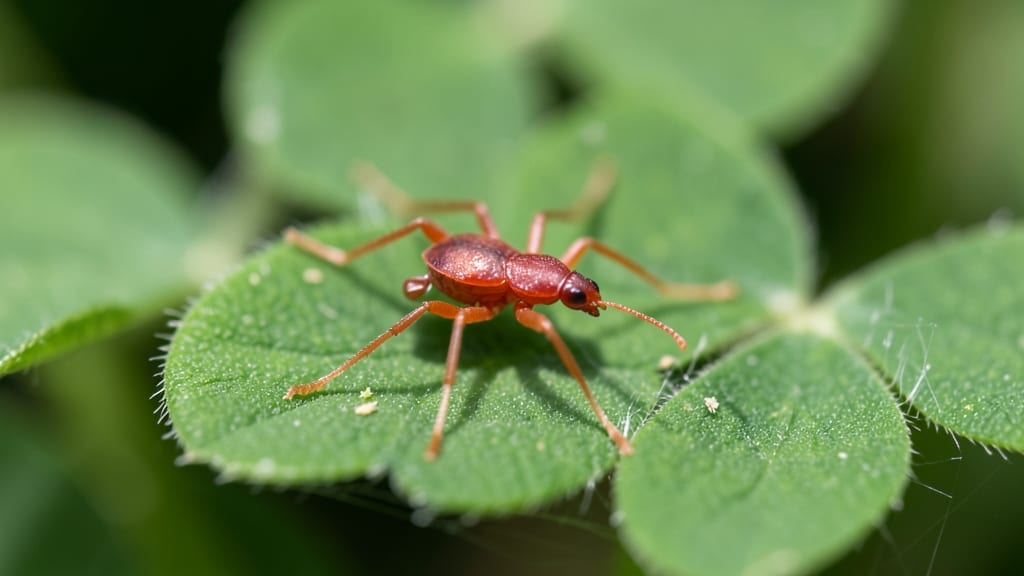
Those tiny red specks crawling on your plants aren’t just annoying—they’re clover mites, and you can get rid of them fast with the right method. 🌱 I’ve battled these pests for years, and the boiling water barrier method is the only thing that actually stops them in their tracks by smothering their life cycle before it starts.
You’ll know you’ve got clover mites when you spot tiny red dots on leaves or see webbing between plants. The good news? This method works for edible gardens and won’t harm pollinators. Just grab a kettle, some water, and a few minutes—no harsh chemicals needed.
By creating a boiling water barrier around your plants, you’ll cut off their food source and break their breeding cycle. Within 24 hours, you’ll see fewer mites, and after 3-5 days, they’ll be gone completely. The secret is timing—do this after rain or watering when mites are active.
This method works year-round but is especially effective in spring and fall when mites are most active. For long-term prevention, keep your garden clean and mulch properly to discourage them from returning.
The Hidden Triggers Behind Clover Mites
Clover mites thrive in your yard and home—not because they’re just there, but because specific conditions make your property an all-you-can-eat buffet for them. Understanding these triggers is the first step to reclaiming your space. Let’s break down the science-backed reasons why these tiny red invaders show up uninvited.
Clover mites aren’t picky eaters—they’ll feast on nearly any green plant, but clover, turfgrass, and ornamental plants are their favorites. Here’s why: - Phloem Feasting: These mites pierce plant stems to suck out sap (phloem), which is packed with sugars they crave.
Healthy, lush plants = a never-ending snack. - Moisture Magnet: Clover and other host plants retain water, creating the humid microclimate clover mites love.
Think of it like a spa for them—warm, damp, and full-service. - Lack of Predators: In well-manicured lawns with few insects (like ladybugs or lacewings), clover mites face zero competition. It’s like a fast-food joint with no health inspectors.
Actionable Insight: If your yard is a clover paradise, mow high (3–4 inches) to discourage them—and consider replacing clover patches with mite-resistant grasses like tall fescue.
Clover mites are cold-intolerant but heat-loving—they migrate indoors when temperatures rise above 75°F (24°C).
Here’s the science: - Thermal Stress: In summer, they abandon dying host plants (like clover) and seek cooler, shaded spots—often your foundation, windowsills, or even inside walls. - Humidity Halo: They’re drawn to 60–80% humidity, which is common in basements, bathrooms, and laundry rooms.
Your home becomes a climate-controlled oasis. - Hitchhiking Heroes: They latch onto pets, shoes, or furniture when moving between outdoor plants and indoor hiding spots. One trip to the garage = instant infestation.
Pro Tip: 🌡️ Use a hygrothermometer to monitor indoor humidity. Keep it below 50% to deter them.
Clover mites don’t need an invitation—they’ll squeeze through tiny cracks as small as 1/32 of an inch.
Common entry points: - Foundation Flaws: Gaps in brick, siding, or concrete allow them to crawl into crawl spaces or basements. - Window Weaknesses: Old or poorly sealed windows let them slip in, especially if screens are torn. - Utility Invites: Pipes, vents, and cables entering your home create perfect highways for their migration.
DIY Fix: Seal gaps with caulk or weatherstripping, and install fine-mesh screens on vents. Think of it like fortifying a castle against tiny, red siege engines.
Clover mites hatch in moist soil and thrive when: - Rainfall > 1 Inch/Week: Soggy ground keeps their eggs from drying out.
A single female can lay 200+ eggs in ideal conditions. - Morning Dew: Dew acts like a natural humidifier, extending their active season into cooler months. - Irrigation Overload: Overwatering lawns or gardens mimics a tropical rainforest—exactly what they crave.
Solution: 💡 Let soil dry between waterings, and avoid evening irrigation to reduce dew buildup.
Clover mites don’t just wander—they hitch rides:
- Pet Paws: Dogs and cats track them indoors after playing in grassy areas.
- Furniture Friends: Patio chairs, grills, and toys left outside become mobile infestation vectors.
- Tool Time: Rakes, brooms, and gardening gloves can transport them directly into your home.
Quick Fix: 🧹 Store outdoor items in sealed bins, and wash pet bedding weekly in hot water (130°F+).
In a balanced ecosystem, predators like:
- Spiders (especially jumping spiders)
- Ground beetles
- Birds (who snack on them)
keep clover mite populations in check. But pesticide use, habitat destruction, or over-fertilization can wipe out these allies, leaving mites to party unchecked.
Eco-Friendly Boost: Plant native wildflowers and avoid broad-spectrum pesticides to encourage predator populations.
Practical Ways to Outsmart Clover Mites
Clover mites might be tiny, but they’re tough to ignore—especially when they’re turning your home into their personal buffet. The good news? With the right strategies, you can smother their life cycle, block their entry, and kick them out for good.
Below, we break down targeted fixes based on the root causes (like their love of moisture, shade, and outdoor hiding spots) and provide prevention tips to keep them from staging a comeback. Let’s get started!
Clover mites hitch a ride on plants, pets, or even your shoes. To stop them, cut off their access with these steps:
🛡️ Create a Boiling Water Barrier (The Nuclear Option)
Clover mites hate heat—and boiling water is their kryptonite.
This method smothers adult mites and eggs along foundation cracks, windowsills, and door thresholds. - 🔥 Step 1: Boil 1–2 gallons of water (or use a pressure washer on the highest setting). - 👨🍳 Step 2: Pour the water directly into cracks, gaps, or along the baseboards where mites gather. - ⏰ Step 3: Let it sit for 10–15 minutes to ensure eggs and adults are killed. - 💡 Pro Tip: Do this on a dry, sunny day—miters are sluggish in heat, making them easier to eliminate.
🚪 Caulk Every Crack and Crevice
Mites squeeze through tiny gaps (as small as 1/32 of an inch!).
Grab a tube of silicone caulk and seal: - Windows and doors (check weather stripping) - Foundation cracks (especially near plants) - Baseboards and trim (where they hide to molt) - Utility lines (pipes, cables, vents)
✨ Prevention Hack: Apply diatomaceous earth (DE)—a fine powder that dehydrates mites—along entry points. Reapply after rain.
Clover mites feed on plant sap, so if they’re on your lawn or potted plants, remove their food source and disrupt their habitat.
🌱 Remove Infested Plants (The Nuclear Option for Gardens)
If mites are overrunning your yard, the fastest fix is to: 1. Pull up heavily infested plants (especially clover, but also grasses and weeds).
- Bag and dispose of them (don’t compost—miters will survive!).
- Replace with mite-resistant plants like: - Lavender (miters dislike its scent) - Rosemary (natural repellent) - Marigolds (deters pests)
💦 Reduce Moisture in Soil (They Love Dampness!)
Clover mites thrive in wet, shady areas.
To dry them out: - 🌡️ Improve drainage by amending soil with sand or perlite. - 🌞 Increase sunlight—miters avoid dry, sunny spots. - 💡 Pro Tip: Water plants early in the day so soil dries faster.
Once indoors, mites scurry into dark, quiet spots. Your mission? Suffocate them with vacuum power and trap stragglers.
🧹 Vacuum Aggressively (Every. Single.
Day.) - 🔪 Use a crevice tool to suck mites out of: - Cracks in walls/floors - Behind furniture - Under rugs and curtains - ⏰ Vacuum in the morning—miters are most active then. - 💡 Pro Tip: Empty the vacuum outside immediately—or mites will just crawl back in!
🕷️ Set Up Sticky Traps (For the Stubborn Ones)
Place double-sided tape or sticky traps near:
- Windowsills
- Baseboards
- Under outdoor doors (they’ll crawl in from the yard)
✨ Bonus: Spritz traps with soapy water to drown any mites that land.
Once you’ve evicted them, keep them out with these low-effort habits:
| Problem | Fix |
|---|---|
| Shady, damp yard | Trim bushes, add gravel paths, and plant sun-loving ground cover. |
| Overgrown lawn | Mow regularly and remove clover/weeds. |
| Poor drainage | Install gutters or French drains to redirect water away from the house. |
| Pet entry points | Wipe down paws with a damp cloth after walks. |
| Indoor humidity | Use a dehumidifier (keep levels below 50%). |
💡 Ultimate Prevention Tip: Spray perimeter barriers with:
- Neem oil (natural repellent)
- Insecticidal soap (kills on contact)
- Diatomaceous earth (sprinkle around foundation)
If mites keep coming back despite your efforts, it’s time to bring in pest control. A professional can:
- Apply residual sprays that last weeks.
- Treat your yard with systemic pesticides (safe for plants).
- Identify hidden entry points you might’ve missed.
Final Thought: Clover mites are annoying but beatable—just deny them food, water, and shelter, and they’ll pack their bags and leave. Stay vigilant, and soon your home (and lawn) will be mite-free zone! 🚫🐜
Frequently asked questions
Why do clover mites suddenly appear indoors?
Clover mites migrate inside when outdoor temperatures rise above 75°F (24°C), seeking cooler, shaded spots. They often enter through tiny cracks in foundations, windows, or utility lines, especially if your yard has clover or damp soil they thrive in. Their migration peaks in late spring and summer when outdoor food sources dry up.
Will boiling water harm my plants or home?
No, boiling water is safe for plants and won't damage your home's structure when used correctly. The key is precision: pour it directly into cracks and gaps where mites gather, not onto plant foliage. For outdoor plants, use a pressure washer on high heat setting instead. Always work on dry, sunny days when mites are sluggish.
How long does it take to see results after treatment?
You'll typically notice a reduction in clover mites within 24 hours of treatment, especially with boiling water barriers. Complete elimination usually takes 3-5 days as it kills both adults and eggs. For persistent infestations, repeat treatments every 3-5 days until you see no new mites for a week. Consistency is key!
Are clover mites dangerous to humans or pets?
While clover mites don't transmit diseases, their bites can cause mild itching or redness in some people. They're not poisonous, but their presence indicates poor drainage or moisture issues in your yard. For pets, they're mostly a nuisance—wipe down paws after outdoor time and vacuum regularly to prevent them from spreading indoors.
What's the best natural remedy if I don't want to use boiling water?
Try these organic alternatives: Diatomaceous earth (food-grade) around your home's perimeter, neem oil spray on plants, or insecticidal soap for outdoor treatments. For indoor control, place sticky traps near windows and baseboards. These methods disrupt their life cycle without harsh chemicals, though they may require more frequent application.