
Aphids
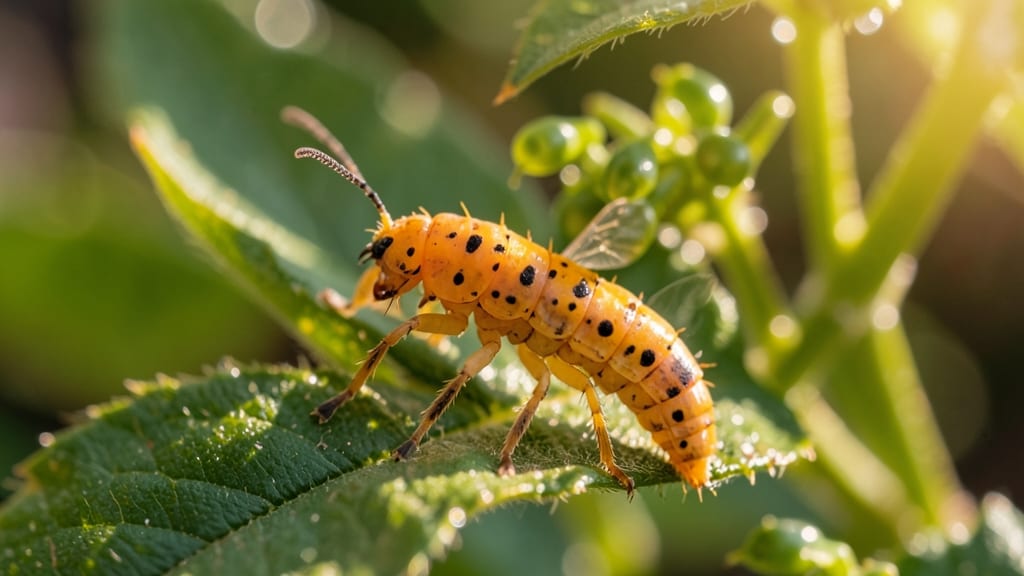
How to get rid of aphids on these outdoor plants works faster than you'd think. 🌱 I've seen stubborn aphid colonies vanish in seconds when hit with a targeted stream—no chemicals, no waiting for sprays to dry. The key is precision timing and technique, which I'll show you in just a few steps.
These tiny green pests suck plant sap, leaving curled leaves and sticky honeydew behind. I learned the hard way that ignoring them leads to bigger problems—sooty mold, weakened plants, and even insect infestations.
But boiling water isn't just about brute force; it's about hitting the right spots without damaging your plants.
You'll need just a few supplies: a kettle, a small watering can with a narrow spout, and a sunny day for best results. The method works on roses, tomatoes, and even delicate herbs—just aim for the undersides of leaves where aphids cluster.
Within minutes, your plants will look refreshed and pest-free.
For stubborn cases, follow up with neem oil or insecticidal soap to prevent regrowth. This approach keeps your garden thriving without harsh chemicals, and the best part? You'll see immediate results. Let's tackle those aphids head-on!
Root Causes of Aphid Overpopulation
Aphids may seem like a minor nuisance, but their rapid spread is rarely accidental. Understanding why these tiny sap-sucking pests invade your outdoor plants is the first step toward preventing—and eliminating—them for good. Below, we break down the science-backed reasons behind their unwelcome presence, from environmental triggers to plant vulnerabilities.
Aphids are drawn to plants that are already struggling. When your plants are weak, they produce more sugary sap—a buffet for these pests. Here’s why it happens:
- Nutrient Deficiencies: Plants lacking nitrogen, phosphorus, or potassium become less resilient. Aphids detect these deficiencies through volatile organic compounds (VOCs) released by stressed foliage.
- Overwatering or Underwatering:
- Overwatering leads to root rot and fungal growth, weakening the plant’s immune response.
- Underwatering causes drought stress, making leaves softer and easier for aphids to pierce.
- Poor Soil Health: Compacted or nutrient-poor soil restricts root growth, leaving plants vulnerable. Aphids thrive in gardens where beneficial microbes (like Bacillus thuringiensis) are absent.
Actionable Fix: Test your soil’s pH (ideal: 6.0–7.0 for most plants) and amend it with compost or organic matter. A healthy plant is the best defense!
Aphids have a biological preference for tender, new shoots and leaves. Why? Because:
- Thinner Cell Walls: Young growth has softer cell structures, making it easier for aphids to insert their stylets (mouthparts) and feed without resistance.
- Higher Sugar Content: New leaves and stems contain more soluble sugars, which aphids detect using their antennal sensors.
- Lack of Defensive Compounds: Mature plants produce more secondary metabolites (like tannins or alkaloids) to deter pests. Young plants? Not so much.
Actionable Fix: Prune new growth regularly to remove aphid hotspots. If you must fertilize, use a balanced, slow-release formula to avoid triggering excessive soft growth.
Here’s a shocking truth: ants actively protect aphids in exchange for their sticky, sugary waste product—honeydew. This mutualistic relationship accelerates infestations because:
- Ants Herd Aphids: Worker ants stroke aphids with their antennae to stimulate honeydew production, then carry the aphids to the most nutritious parts of your plant.
- They Block Predators: Ants aggressively defend aphid colonies from natural enemies like ladybugs, lacewings, and parasitic wasps.
- Honeydew Attracts Sooty Mold: The sticky residue fosters black sooty mold, which further weakens plants by blocking sunlight.
Actionable Fix:
- Disrupt ant trails with diatomaceous earth or sticky barriers (like petroleum jelly on tree trunks).
- Encourage ant predators like fire ants or certain bird species to keep their numbers in check.
Aphids reproduce exponentially in warm, dry environments. Here’s the science:
- Faster Reproduction: Many aphid species (like the green peach aphid) can produce clones of themselves in as little as 5–7 days in ideal conditions (60–85°F / 15–30°C).
- Reduced Natural Predators: Dry conditions stress beneficial insects like hoverflies and ground beetles, which are aphids’ natural enemies.
- Wind Dispersal: Light breezes carry aphids (and their eggs) to new plants, spreading infestations rapidly.
Actionable Fix:
- Mulch around plants to retain moisture and cool root zones.
- Install fine mesh netting over young plants to block windborne aphids.
When plants are too close together, aphids have a highway to travel between hosts. The problems include:
- Shared Sap Flow: Aphids can move from an infested plant to a healthy one via root grafts (when roots fuse underground) or direct contact.
- Microclimate Creation: Dense foliage traps heat and humidity, creating the perfect breeding ground for aphids.
- Limited Airflow: Stagnant air reduces the effectiveness of aphid-deterring plant scents (like those from marigolds or garlic).
Actionable Fix: Space plants 3–6 feet apart (depending on the species) and prune to improve airflow. Interplant with aphid-repelling herbs like basil or mint.
Fix Aphids Fast: Targeted Solutions
Aphids may be tiny, but they pack a big punch—sucking sap, spreading diseases, and stunting your plants’ growth. The good news? With the right approach, you can eliminate them quickly and keep your garden thriving.
Below, we’ve mapped out practical fixes based on the root causes (like overcrowding, weak plants, or poor hygiene) and paired them with prevention tips to stop future infestations. No harsh chemicals needed—just smart, effective action.
When plants are too close, aphids find shelter and multiply faster. Solution: Give your plants breathing room.
- 🌱 Prune aggressively: Trim back overgrown branches or stems to improve airflow. Focus on dense foliage where aphids hide.
- 📏 Space plants properly: Follow spacing guidelines for your plant type (e.g., tomatoes need 18–24 inches apart). This reduces aphid-friendly microclimates.
- 💡 Pro Tip: If you’re dealing with vines (like cucumbers or squash), train them on trellises to lift them off the ground—aphids hate this.
Prevention: Rotate crops yearly to disrupt aphid life cycles. Avoid planting susceptible species (e.g., roses, basil) too close together.
Aphids love stressed plants because they’re easier to attack. Solution: Strengthen your plants’ natural resistance.
- 💧 Water deeply and consistently: Drought-stressed plants attract aphids. Water at the base (not leaves) to avoid fungal issues.
- 🌿 Feed with balanced fertilizer: Aphids thrive on nitrogen-rich, weak growth. Switch to a low-nitrogen, high-phosphorus fertilizer (like 5-10-10) to promote root health.
- 🌡️ Monitor soil health: Test your soil’s pH (aphids prefer 6.0–7.0). Adjust with lime (to raise pH) or sulfur (to lower it) if needed.
Prevention: Mulch around plants with straw or wood chips to retain moisture and regulate soil temperature, reducing stress.
If aphids have already moved in, act fast with these physical and organic methods.
🔪 Mechanical Removal (Best for Small Infestations)
- 💦 Blast them off with water: Use a hose with a forceful spray (or a pressure washer on low setting) to dislodge aphids. Do this in the early morning so plants dry quickly.
- 🧼 Soap up the problem: Mix 1 tbsp mild dish soap + 1 quart water in a spray bottle. Test on a small leaf first—soap can burn some plants. Spray directly on aphids (they’ll drop off within hours).
- 🕷️ Introduce predators: Ladybugs, lacewings, and parasitic wasps devour aphids. Buy them online or attract them with neem oil or dill plants.
🥘 Natural Repellents (For Medium Infestations)
- 🌿 Neem oil spray: Mix 1 tsp neem oil + 1 tsp mild soap + 1 quart water. Spray every 5–7 days until aphids vanish. Neem disrupts their life cycle.
- 🍋 Garlic or chili pepper spray: Blend 1 garlic bulb or 1 chili pepper + 1 quart water. Strain, add 1 tsp soap, and spray. The strong scent repels aphids.
- 🌱 Companion planting: Interplant with garlic, onions, or marigolds. Their pungent aroma confuses aphids and deters them.
⏰ Boiling Water Blast (For Stubborn Clusters)
🔥 For heavy infestations on non-tender plants (like perennials or shrubs), pour boiling water directly onto aphid colonies. The sudden heat smothers them instantly.
- ⚠️ Safety first: Wear gloves and avoid tender plants (like tomatoes or peppers). Test on a small area first.
- 💡 Pro Tip: Do this on a calm day so the water doesn’t spread aphids to other plants.
Once you’ve kicked aphids out, lock the door with these habits:
- 🌱 Inspect new plants: Before bringing home nursery plants, rinse them in soapy water and quarantine them for 2 weeks.
- 🕯️ Remove debris: Aphids hide in dead leaves and weeds. Clean up regularly to deny them shelter.
- 🌿 Encourage biodiversity: Plant clover, yarrow, or fennel to attract aphid-eating insects naturally.
- 📅 Stay ahead of seasons: Aphids peak in spring and summer. Monitor plants weekly and act at the first sign of sticky residue (honeydew).
Frequently asked questions about aphid control
How often should I check my plants for aphids?
Inspect your outdoor plants every 3-5 days during growing seasons (spring to fall). Look for clusters on new growth, curled leaves, or sticky honeydew residue. Early detection is key—aphids reproduce rapidly, so catching them before they spread saves time and stress on your plants!
Will boiling water harm my plants?
Only use boiling water on hardy plants like perennials, shrubs, or mature trees. For delicate plants (tomatoes, peppers, herbs), stick to soapy water or neem oil. Always test a small area first—some plants may develop leaf scorch from the heat.
Can I use vinegar to kill aphids?
White vinegar can help as a repellent (1:1 ratio with water), but it won't kill established colonies. The acidity disrupts aphids' feeding, but they'll return quickly. For best results, combine with insecticidal soap or neem oil. Avoid using vinegar on acid-sensitive plants like azaleas or blueberries.
Why do aphids keep coming back after treatment?
This usually means new aphids are arriving from nearby plants or eggs survived treatment. Check for ant trails (they protect aphids) and inspect plant undersides weekly. Apply neem oil every 5-7 days for 2 weeks to break their life cycle. Stronger plants resist reinfestation better!
Are there any aphid-resistant plants I can grow?
Yes! Try marigolds, garlic, onions, or lavender—their strong scents naturally repel aphids. For vegetables, rosemary, thyme, and dill are excellent companions. Even if aphids visit, these plants recover faster and attract beneficial predators like ladybugs.