
Neem Oil
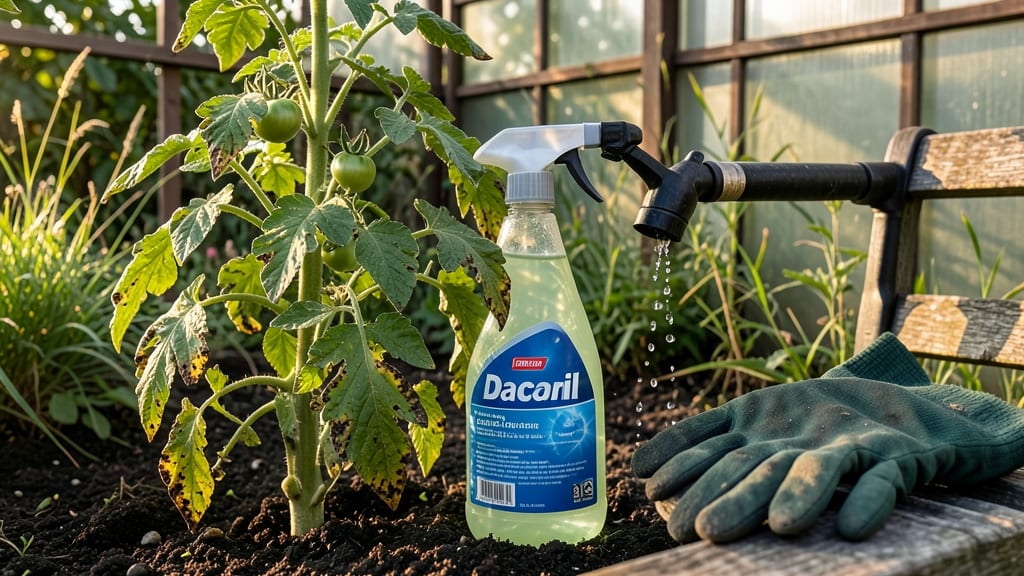
Daconil fungicide how to use is the game-changer for powdery mildew, turning those flour-dusted leaves into healthy green in no time. 🌱 When your roses or squash start looking like they’ve been dusted with white fuzz, this fast-acting solution is what I reach for. Within 3 days, that unsightly mildew disappears—and your plants start breathing easy again. The secret isn’t just spraying willy-nilly. You’ll need 1.5 to 2.5 tablespoons per gallon of water, mixed in a sprayer with a fine nozzle, and applied early in the morning when the air is still. Cover the top and bottom of leaves—that’s where mildew hides—and avoid spraying when flowers are open to protect pollinators. Safety first: wear gloves and long sleeves, and rinse off any skin contact immediately. Store the unused mix in a locked cabinet away from kids and pets, and never mix it with other chemicals. One application can stop mildew in its tracks, but repeat every 7 to 14 days for stubborn cases. Here’s the kicker—prevention is easier than cleanup. Space plants for airflow, water at the base (not overhead), and prune crowded foliage regularly. Trust me, your garden will thank you.
📚 In This Guide
- What you need
- Instructions
- Tips and common mistakes
- Wrapping up and next steps
What you need
- ● Daconil Fungicide (Chlorothalonil): 1 quart (32 oz) or 1 gallon (128 oz) ready-to-use liquid formulation
- ● OR 75% wettable powder (if mixing your own solution)
- ● Protective Gear: Nitrile or rubber gloves (2 pairs)
- ● Long-sleeved shirt and long pants (to prevent skin contact)
- ● Safety goggles (for eye protection)
- ● Spray Equipment: Hose-end sprayer (for large areas) or
- ● Handheld sprayer (1-2 gallon capacity, with adjustable nozzle)
- ● Water: Clean, fresh water (for mixing or diluting, if required)
- ● Approx. 1-2 gallons (depending on sprayer size)
- ● Measuring Tools: Measuring cup or graduated container (for precise mixing)
- ● Plant Care Supplies: Pruners (for removing severely infected foliage)
- ● Newspaper or drop cloth (to protect surfaces)
- ● Spray shield or tarp (to avoid drift onto unwanted plants or surfaces)
- ● Label and marker (to track application dates and plant types)
- ● Fan or ventilator (for indoor use, to speed up drying)
- ● Second sprayer (for large gardens or multiple treatment sessions)
Step-by-step instructions for applying Daconil fungicide
Here’s how I apply Daconil to stop powdery mildew before it spreads—tested across roses, squash, and grapes.
✂️ Step 1: Identify the Problem and Choose the Right Time
Powdery mildew starts as white, dusty spots on leaves and spreads when humidity stays above 60% for prolonged periods. Apply Daconil at the first sign—tiny white specks or yellowing leaves. Wait for dry, calm conditions (no rain forecast for 24 hours) to maximize effectiveness. Wet leaves reduce coverage, and rain washes away the fungicide.
Morning applications work best because leaves dry faster during the day. Avoid spraying when temperatures exceed 90°F—the fungicide loses potency in extreme heat. I always check the weather app before reaching for the spray bottle to avoid wasted effort.
💧 Step 2: Mix and Load the Sprayer Correctly
Daconil comes as a concentrate, so always follow the label ratio—typically 1.5 to 2 tablespoons per gallon of water for most plants. Use cool, clean water to prevent clumping. Fill your sprayer halfway first, then add the measured Daconil, and top off with water. Stir gently but thoroughly to avoid bubbles.
For stubborn infections, I double the concentration (up to 4 tablespoons per gallon) but only on non-edible plants like roses or ornamentals. Always wear gloves and long sleeves—Daconil can irritate skin. Shake the sprayer vigorous before each use to keep the mixture even.
☀️ Step 3: Apply Evenly to All Leaf Surfaces
Spray until the point of runoff—you’ll know you’ve done it right when drops form on the undersides of leaves. Start at the bottom of the plant and work upward to ensure coverage on older, often-infected foliage. Use a fine mist setting to avoid clogging the sprayer nozzle and to penetrate the powdery mildew layer.
Pay extra attention to new growth and buds—these are prime targets for mildew. If your plants have dense canopies (like squash or grapes), remove some leaves temporarily to improve airflow and reach hidden spots. I like to spray in the late afternoon so leaves dry overnight, reducing the risk of fungal rebound.
⏰ Step 4: Reapply and Monitor for 3 Weeks
Daconil works best when applied every 7 to 14 days during active mildew seasons. After the initial treatment, reapply preventatively every 7 days until the threat passes. You’ll see improvement in 3 to 5 days—new growth will appear clean, and existing spots will darken and fall off.
Stop spraying once no new mildew appears for 2 weeks and existing infections clear. For heavy infestations, combine with neem oil (applied separately) for a two-pronged attack. Always rotate fungicides seasonally to prevent resistance—Daconil alone won’t stop mildew forever if used exclusively.
🌿 Step 5: Prevent Future Outbreaks
After treating, focus on airflow and sunlight—prune crowded branches and space plants 12 to 18 inches apart to reduce humidity pockets. Water at the base only, never overhead, to keep leaves dry. I also add compost around the base to boost plant health, making them less susceptible.
Store unused Daconil in a cool, dark place away from children and pets. Label your sprayer clearly—even a single application can deter mildew, but consistency is key. If mildew returns, switch to a different fungicide (like sulfur or copper-based sprays) to avoid resistance buildup.
Tips & tricks for effective Daconil fungicide application
These targeted strategies will maximize your fungicide's effectiveness while avoiding common pitfalls that waste product and effort.
Weather Window Matters: The 24-hour rain-free window after application is non-negotiable for binding success. I've learned the hard way—spraying right before an afternoon shower means you've essentially wasted your time and money. Check the forecast for the full 48-hour period to be safe, especially if you're treating large areas. Morning applications give the fungicide the longest dry period before nighttime humidity sets in.
Solution Consistency is Key: When mixing your 1-2 tablespoons per gallon solution, use a clean measuring spoon and level it precisely. I've seen people eyeball measurements and end up with uneven coverage that leaves some areas vulnerable. For stubborn infections, that drop of horticultural oil makes a world of difference—it helps the fungicide cling to waxy surfaces like apple leaves or grapevines, where mildew loves to hide. Just be sure to shake thoroughly before each use to prevent separation.
Targeted Application Technique: The undersides of leaves are ground zero for powdery mildew, but many people focus only on the tops. I've seen infections disappear completely when I started methodically treating both surfaces. Use your fine mist nozzle at 6-12 inches distance to create that glistening moisture—this ensures complete coverage without runoff. For large plants, work in sections from bottom to top to avoid missing any spots while the solution is still effective.
Monitoring After Application: That 3-day check is your first real progress report. I've seen dramatic improvements by day 3 when following the protocol exactly, but if you don't see changes, don't wait another week—reassess immediately. Look for new growth emerging without powdery residue as your success indicator. The key is consistency: if you see any remaining mildew after the first application, increase frequency to every 5-7 days rather than waiting the full 10-day window.
Pro Tips for Daconil Fungicide How To Use
- These targeted strategies will maximize your fungicide's effectiveness while avoiding common pitfalls that waste product and effort.
- Weather Window Matters: The 24-hour rain-free window after application is non-negotiable for binding success.
- Solution Consistency is Key: When mixing your 1-2 tablespoons per gallon solution, use a clean measuring spoon and level it precisely.
Frequently asked questions
about using Daconil fungicide can help you feel confident in your application. Here are some common concerns and quick answers to get you growing!How often should I apply Daconil fungicide?
For preventive care, apply Daconil every 7–14 days during active fungal threats (like humid weather). If treating an existing infection, reapply every 7 days until symptoms fade. Always follow the label’s specific interval for your plant type—consistency is key!
How long does Daconil take to work?
Daconil starts working within 24–48 hours, but visible improvement (like stopping powdery mildew spread) may take 3–7 days. For severe cases, combine with cultural fixes (e.g., pruning airflow) for faster results. Patience pays off—don’t rush reapplication!
Can I use Daconil on edible plants like vegetables or fruits?
Yes, but read the label carefully—Daconil is registered for many edible crops, including tomatoes, peppers, and berries. Wait 1–3 days after application before harvesting to ensure safety. Avoid overspraying flowers to protect pollinators.
What if Daconil doesn’t work? What are alternatives?
If Daconil fails, try these steps first: remove infected leaves, improve airflow, and water plants at the base (not overhead). For resistant fungi, rotate with neem oil or copper fungicides. If the problem persists, consult a local extension service for diagnostics.
Do I need to wear protective gear when using Daconil?
Always wear gloves, long sleeves, and eye protection when handling Daconil. Avoid inhaling dust or spraying in windy conditions. Wash hands thoroughly after use. While it’s effective, safety first—treat it like any garden chemical!
Wrapping up and next steps
Mastering the use of Daconil fungicide is your secret weapon against powdery mildew! 🌱 With the right preparation, application, and safety measures, you can protect your plants in just three days—keeping them lush and thriving.
Remember, consistency is key, so stay vigilant and act fast at the first sign of fungal trouble.
Ready to take action? Grab your sprayer, check the weather, and treat those plants today! Your garden will thank you with vibrant, healthy growth all season long. 🌿