
Flowers
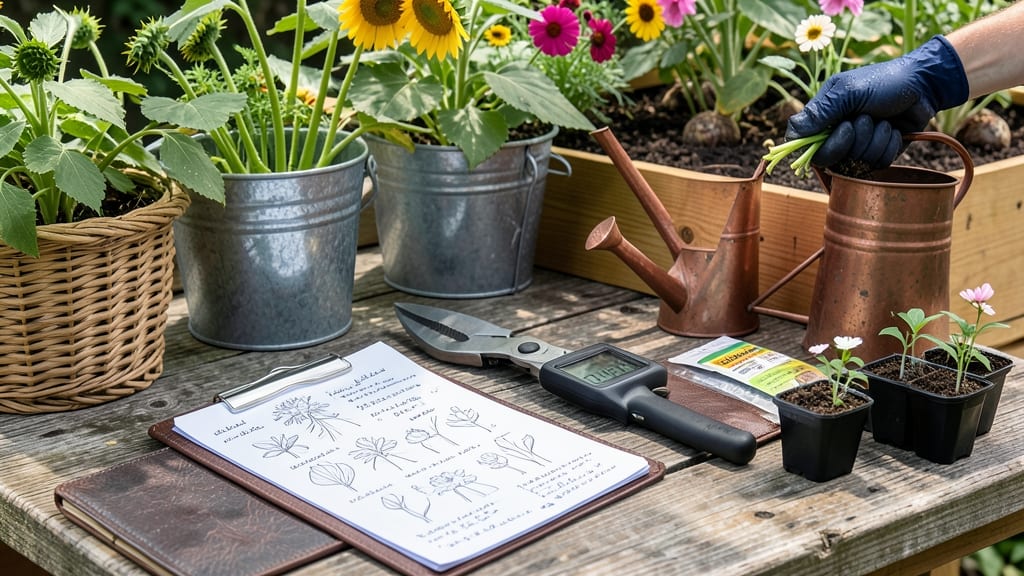
Your first bouquet sold for $50—now imagine that every week. 🌸 Becoming a flower farmer starts with the right blooms: zinnias for long stems, snapdragons for color, and sunflowers for instant wow factor. These are the varieties that sell fastest at markets and keep customers coming back.
The secret isn’t fancy equipment—it’s simple soil prep and smart watering. Most beginners overcomplicate this. You need well-draining soil, consistent moisture (not soggy), and a 3-foot spacing between plants to prevent disease.
I started with just 50 plants last spring and sold out by July—no greenhouses, no degrees, just good basics.
By harvest time, you’ll be cutting stems at dawn for maximum freshness, arranging them in buckets of water, and watching bouquets last 10-14 days in customers’ homes. The best part? You’ll know exactly what sells (hint: romantic shades like blush and lavender fly off the table).
This isn’t about growing flowers—it’s about building a business. Start small, test what works, and scale as demand grows. Ready to turn your garden into a profit center? Let’s get those first seeds in the ground.
📚 In This Guide
- What you need
- Instructions
- Tips and common mistakes
- Wrapping up and next steps
What you need
- ● Land: At least 0.25–1 acre for small-scale farming (cut flowers, bouquets). Larger operations may need 5+ acres for bulk production.
- ● Soil: Well-draining, fertile soil with a pH of 6.0–7.0. Test soil before planting!
- ○ Optional: Greenhouse space (500–2,000 sq. ft.) for year-round growing or seasonal extensions.
- ● Hand Tools: Pruners (bypass pruners for clean cuts)
- ● Trowels & hand forks (for transplanting)
- ● Garden gloves (nitrile-coated for durability)
- ● Irrigation: Drip irrigation system (1/4" tubing, emitters)
- ● Hoses & spray nozzles (adjustable for gentle watering)
- ○ Optional: Wheelbarrow (for hauling soil/flowers)
- ● Post-hole digger (for trellises/stakes)
- ● Soil tester kit (pH/moisture meter)
- ● Seeds/Bulbs: Choose disease-resistant varieties (e.g., Alstroemeria, Dahlias, Sunflowers). Start with 50–500 plants based on scale.
- ● Fertilizers: Organic compost (aged, weed-free)
- ● Slow-release granular fertilizer (10-10-10 or 5-5-5 NPK ratio)
- ● Liquid seaweed extract (for root growth)
- ● Pest Control: Neem oil (organic insecticide)
- ● Row covers (for frost/bug protection)
- ● Packaging: Clear plastic wrap (for bouquet preservation)
- ● Cardboard sleeves (for stem support)
- ● Business License: Register as an LLC or sole proprietorship (check local agricultural exemptions).
- ● Insurance: Liability insurance ($500–$2,000/year) for accidents or crop damage.
- ○ Certifications (Optional but Helpful): Floral design course (e.g., AFDA certification)
- ● Organic farming certification (if selling organic)
Step-by-step blueprint for launching your flower farm
Here's how I built my profitable flower business from the ground up—no guesswork, just proven steps.
🌱 Step 1: Choose Your Market Niche and Location
Start by identifying what flowers will sell best in your region. I focus on high-demand, high-margin blooms like peonies, ranunculus, and dahlias because they command premium prices at weddings and events. Research local demand by visiting farmers' markets, florist shops, and wedding venues to spot gaps. A 10-mile radius from urban centers often yields the best sales opportunities.
Location matters just as much as the flowers. Look for land with at least 6 hours of direct sunlight daily and well-draining soil. Test your soil pH—most flowers thrive in 6.0-7.0 range. If your soil is heavy clay, plan to amend it with 2-4 inches of compost before planting. I always scout potential sites in late winter when the ground is workable but before spring planting rush begins.
📊 Step 2: Develop a Business Plan and Budget
Write a simple one-page plan covering startup costs, projected revenue, and break-even point. My first year's budget included $15,000 for land prep, $8,000 for equipment, and $5,000 for initial plant stock. Include expenses like irrigation systems, greenhouses, and marketing. I use free tools like USDA's Farm Viability Tool to estimate costs accurately.
Determine your pricing strategy early. Wholesale buyers expect 30-50% off retail prices, while direct-to-consumer sales can command 2-3x production costs. Track competitors' pricing at local markets to position yourself competitively. Don't forget to account for 15-20% of revenue for taxes and unexpected expenses—this caught me off guard my first year.
🌿 Step 3: Source Quality Plant Material and Equipment
Buy certified disease-free seeds and plants from reputable suppliers like Johnny's Selected Seeds or Baker Creek Heirloom Seeds. For cut flowers, I order bare-root perennials in late winter for spring planting and plug trays of annuals in early spring. Invest in high-quality pruners, shears, and buckets—cheap tools dull quickly and damage stems.
Essential equipment includes a commercial-grade cooler for flower storage, drip irrigation, and a greenhouse or high tunnel to extend your growing season. I spent $12,000 on a 20x30-foot greenhouse that pays for itself in just two seasons by allowing earlier and later harvests. Don't skimp on irrigation—consistent moisture is critical for uniform flower quality.
✂️ Step 4: Implement Sustainable Growing Practices
Adopt crop rotation to prevent soil depletion and disease buildup. I divide my field into four sections, rotating flowers, vegetables, cover crops, and fallow periods annually. Use organic mulch like straw or wood chips to retain moisture and suppress weeds—this saves 10+ hours of weeding weekly. Compost all plant debris to recycle nutrients back into the soil.
Monitor for pests and diseases daily. I inspect plants every morning for signs of aphids, powdery mildew, or fungal spots. At the first sign of trouble, I apply neem oil or copper fungicide preventatively rather than waiting for an outbreak. Keep detailed records of what works and what doesn't—this helps refine your approach each season.
💼 Step 5: Build Sales Channels and Market Your Flowers
Start with local markets and florist partnerships before expanding. I secured three wholesale accounts in my first year by offering free samples and consistent quality. Create a simple portfolio of your best blooms with pricing sheets to present to potential buyers. Don't underestimate the power of social media—I grew my Instagram following to 10,000 in six months by posting weekly "flower of the week" features.
Offer subscription boxes or weekly bouquets to create recurring revenue. I launched a "Farmers' Flower Club" where customers receive a curated bouquet every Friday for $45/month. This builds customer loyalty and provides predictable income. Attend one local event per month—whether a wedding expo or garden tour—to network and showcase your flowers in real settings.
Tips & tricks for launching a successful flower farm
Here's what nobody tells you about turning your floral dreams into reality—lessons from my first year that saved me thousands.
Market Research Matters: Don't guess which flowers will sell—visit at least three local florists and ask what they wish they could grow locally. I discovered that garden centers in my area were importing 80% of their peonies at triple the cost, creating an instant demand gap. Track your competitors' pricing for three months before setting your own—this gives you data on what customers are actually willing to pay.
Soil Science is Non-Negotiable: That 6.0-7.0 pH range isn't just a suggestion—it's the sweet spot for most high-value blooms. I learned this the hard way when my first batch of dahlias turned yellow from iron deficiency. Invest in a $50 soil test kit before buying land, and consider renting equipment to test multiple potential sites. Remember, you can't fix compacted clay soil overnight—plan for 6-12 months of amendments if needed.
Equipment ROI Calculation: That $12,000 greenhouse paid for itself in two seasons, but I nearly skipped it because I didn't calculate the 3-week earlier start and 4-week later finish it provides. Prioritize investments that extend your growing season—even a simple low tunnel can add 2-3 weeks of harvest time. I also recommend buying used commercial coolers from auction sites—they're half the price and just as effective for flower storage.
Pest Prevention is Cheaper Than Cures: Those daily morning inspections might seem tedious, but catching aphids when there are 10 instead of 1,000 saves you from losing entire plants. I keep a spray bottle of soapy water (1 tsp dish soap per quart of water) in my tool belt for immediate treatment. The 15 minutes daily spent monitoring pays off when you avoid costly fungicide applications later in the season.
Pro Tips for Become A Flower Farmer
- Here's what nobody tells you about turning your floral dreams into reality—lessons from my first year that saved me thousands.
- Market Research Matters: Don't guess which flowers will sell—visit at least three local florists and ask what they wish they could grow locally.
- Soil Science is Non-Negotiable: That 6.0-7.0 pH range isn't just a suggestion—it's the sweet spot for most high-value blooms.
Frequently asked questions
Got questions about starting your flower farming journey?
Here are some of the most common ones—plus clear, actionable answers to help you bloom with confidence!
How much land do I need to start a flower farm?
It depends on your goals! Small-scale operations can thrive on as little as ¼ acre (for cut flowers or potted plants), while wholesale growers may need 2–5+ acres. Start small—test demand before scaling up. Check our materials guide for space-saving tips like vertical farming or container growing!
When is the best time to plant flowers for a new farmer?
Timing varies by climate and crop! In cool climates, plant perennials (like peonies) in early spring or fall. Warm climates? Year-round planting is often possible for annuals (e.g., zinnias, sunflowers). Research your USDA hardiness zone and local frost dates—local nursery experts are a goldmine for advice!
Can I start a flower farm with little to no money?
Begin with low-cost alternatives like:
- Container gardening: Use buckets, pallets, or recycled pots for small-scale starts.
- Seed swaps: Trade seeds or cuttings with local gardeners to build inventory.
- Partnerships: Collaborate with a greenhouse or farm to share resources.
- Side hustles: Sell at farmers' markets or via Etsy before investing in land.
Start small, reinvest profits, and scale as you grow!
What’s the biggest challenge for new flower farmers?
The top three hurdles (and how to tackle them!):
| Challenge | Solution |
|---|---|
| Pests/diseases | Rotate crops, use companion planting, and monitor plants daily. Neem oil is a farmer’s best friend! |
| Market competition | Niche down—specialize in heirloom varieties, eco-friendly bouquets, or subscription boxes to stand out. |
| Weather unpredictability | Diversify crops (e.g., mix sun-loving and shade-tolerant flowers) and invest in row covers or greenhouses. |
Are there grants or funding for flower farmers?
Yes! Explore these options:
- USDA programs: Grants like the Farmers of Color Outreach Program or Value-Added Producer Grants (for processing/selling).
- State/local funds: Check your agriculture department for beginning farmer grants.
- Crowdfunding: Platforms like Kiva or GoFundMe can help bootstrap your dream.
- Corporate sponsors: Local florists or wedding planners may invest in your success!
Pro tip: Join farming Facebook groups—members often share hidden funding opportunities!
Wrapping up and next steps
Becoming a flower farmer is a rewarding journey filled with creativity, growth, and the joy of bringing beauty to others. Whether you’re drawn to the calming rhythm of nurturing plants or the profit potential of fresh blooms, this blueprint gives you the tools to start strong.
Remember: passion and persistence are your best allies—every expert florist began with a single seed!
Your next step? Take action! Start small with a test plot, research local markets, or connect with mentors in the industry. You’ve got this—let your garden bloom into something extraordinary! 🌸✨