
Pruning
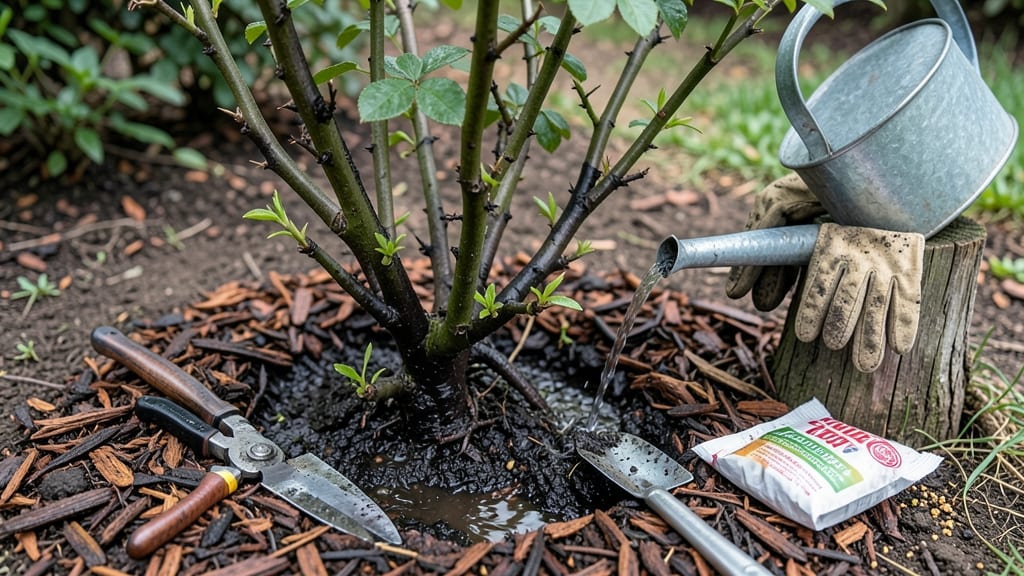
How to bring back a dead rose bush—it’s not dead, just waiting for the right rescue. ✂️ I've brought back bushes that looked hopeless with just a few strategic cuts and a hydration overhaul, and you can too. The key is understanding whether it's thirst, disease, or winter damage holding it back.
Start by checking for any green shoots hidden under the dead wood—those mean life is still there. If you find none, dig carefully to inspect the roots: healthy roots are firm and white, while mushy or black roots signal rot.
Most "dead" roses just need a deep drink and a haircut to wake up.
You'll see new growth within 2-3 weeks if the roots are alive, with blooms returning by midsummer. The secret is pruning back to healthy wood, amending the soil, and watering deeply but infrequently to encourage strong root systems.
This works for hybrid teas, floribundas, and even old garden roses. Let's get that bush blooming again—it's tougher than it looks!
Root Causes of a Dying Rose
Before you can revive your rose bush, it’s crucial to diagnose why it’s struggling. Roses are resilient, but they’re also sensitive to environmental stress, poor care, and hidden threats. Here’s a breakdown of the most common reasons your rose bush might look "dead" — and how to spot them early.
Roses hate soggy roots. While they need consistent moisture, excessive watering (or compacted, poorly draining soil) can suffocate roots by cutting off oxygen.
This leads to: - Root rot (a fungal infection from waterlogged soil) - Yellowing leaves (chlorosis) due to nutrient uptake failure - Blackened stems or a mushy base when pulled gently
🔍 How to check: Dig 2–3 inches into the soil. If it smells like wet socks or feels like a sponge, drainage is the issue. Clay soil or containers without drainage holes are prime culprits.
On the flip side, chronic dehydration stresses roses, causing:
- Wilted, crispy leaves (even when watered)
- Brown, papery edges on foliage
- Stunted new growth (buds fail to open)
💡 Pro Tip: Stick your finger 2 inches into the soil. If it’s dry, water deeply until it drains from the bottom. Mulching (2–3 inches of organic material) helps retain moisture.
Roses are magnets for pathogens, especially in humid or wet conditions.
Common culprits: - Black spot (Diplocarpon rosae): Dark spots with yellow halos → defoliation. - Powdery mildew (Erysiphe): White, powdery coating on leaves → stunted growth. - Canker (Botryosphaeria): Sunken, oozing lesions on stems → dieback.
🔍 Signs to watch for:
- Spots, mold, or unusual discoloration on leaves/stems.
- Leaves dropping prematurely despite hydration.
- Stems cracking or oozing a dark liquid.
Tiny invaders drain nutrients and transmit diseases. Look for:
- Aphids (sticky residue, curled leaves).
- Japanese beetles (skeletonized leaves, chewed petals).
- Spider mites (fine webbing, speckled leaves).
💡 Quick fix: Blast pests off with water, or use neem oil (1 tsp per quart of water) for organic control.
Roses are heavy feeders. If they’re starving, you’ll see:
- Pale yellow leaves (nitrogen deficiency).
- Purple stems/leaves (phosphorus lack).
- Weak, brittle canes (potassium or magnesium issues).
📊 Soil test tip: Use a DIY test kit (available at garden centers) to check pH (ideal: 6.0–6.5) and nutrient levels. Amend soil with compost or a balanced rose fertilizer (10-10-10) if needed.
Extreme conditions can shock roses into dormancy or death:
- Frost damage: Blackened buds or leaves after cold snaps.
- Heat stress: Scorched leaves (especially in full sun without shade).
- Windburn: Ragged, brown leaf edges from harsh winds.
🌡️ Solution: Provide afternoon shade in summer, mulch to regulate soil temp, and protect from wind with a windbreak (like a lattice or burlap screen).
Over-pruning (especially in late summer/fall) removes energy reserves. Signs of pruning trauma:
- No new growth after pruning season.
- Exposed, bare canes with no buds.
- Sudden wilting post-prune.
✨ Fix it: If you’ve over-pruned, avoid further cuts until spring. Focus on hydration and fertilizer to encourage regrowth.
Roses in containers or hard, packed soil struggle to absorb water/nutrients. Red flags:
- Roots circling the pot (if container-grown).
- Soil that doesn’t crumble when squeezed.
- Stunted growth despite care.
🔨 Action step: Loosen soil with a fork, add perlite or sand for drainage, and repot if roots are circling. For in-ground roses, aerate the soil annually.
Herbicides, salts (from tap water), or overuse of fertilizers can poison roses. Symptoms:
- Leaf scorch (brown edges).
- Wilting despite moist soil.
- Sudden dieback after treatment.
🚫 Avoid: Use rainwater or filtered water for sensitive roses. If you suspect chemical burn, flush the soil with water and apply compost to detoxify.
If your rose bush is older (5+ years), it may be suffering from:
- Wood rot (internal decay from old canes).
- Canker (spreading from pruning wounds).
- Viral infections (no cure; replace the bush if severe).
🔪 Solution: Remove and destroy infected canes (don’t compost!). For younger bushes, rejuvenate with proper pruning and care.
Key Takeaway: Most "dead" roses are technically alive but stressed. Start by ruling out water issues (over/under), disease, and nutrient gaps. Once you pinpoint the cause, your rescue plan will be far more effective! 🌿
Revive Your Rose Bush Step-by-Step
A dead rose bush doesn’t mean the end of your garden dreams—it just needs the right care to bounce back! Below, we’ll match common causes of decline to practical fixes, so you can nurse your roses back to health with confidence.
Think of this as your emergency rescue plan—simple, actionable, and tailored to your plant’s needs.
Cause: Overwatering or poor drainage suffocates roots, turning them mushy and black. Fix:
- Stop Watering Immediately 🚰
- Let the soil dry out completely for 3–5 days before watering again. Roots need air!
- Improve Drainage 🏗️
- Dig around the base and mix in perlite, sand, or compost (50/50 with existing soil) to aerate.
- If in a pot, repot into a container with drainage holes and fresh, well-draining potting mix.
- Trim the Damage ✂️
- Use sterilized shears to cut away black, mushy stems at the base. Healthy wood is green or brown inside.
- Fungicide Treatment 💊
- Spray with a copper-based fungicide (like Bordeaux mixture) to prevent further rot.
💡 Pro Tip: After repotting, water only when the top 2 inches of soil are dry—overdoing it is the #1 killer of roses!
Cause: Sudden heatwaves or too much sun without enough water cause wilting or crispy leaves. Fix:
- Deep Watering Routine 💦
- Water slowly and deeply (1–2 inches per week) at the base, not the leaves, to encourage strong roots.
- Use a soaker hose or drip irrigation to avoid runoff.
- Morning Watering Only ⏰
- Water before 10 AM to let leaves dry by evening, reducing fungal risks.
- Temporary Shade 🌿
- If your roses are in full sun, provide afternoon shade (use a shade cloth or move potted roses) until they recover.
- Mulch Like a Pro 🌡️
- Apply 2–3 inches of mulch (wood chips or straw) to retain moisture and regulate soil temperature.
✨ Bonus: A balanced fertilizer (like 10-10-10) can help revive weak roots—apply lightly after watering.
Cause: Aphids, spider mites, or beetles sap nutrients, leaving leaves yellow and stems weak. Fix:
- Blast Off Pests 💦
- Spray with neem oil (mix 1 tbsp with 1 quart water + a drop of dish soap) or insecticidal soap.
- Repeat every 5–7 days until pests vanish.
- Attract Predators 🐞
- Plant marigolds or lavender nearby to lure beneficial insects like ladybugs.
- Prune Infested Parts 🪒
- Snip off heavily damaged leaves/stems and dispose of them in a sealed bag (don’t compost!).
- Prevent Future Attacks 🛡️
- Prune regularly to improve airflow (pests love crowded, damp bushes).
- Avoid over-fertilizing with nitrogen—it attracts soft-bodied pests.
💡 Pro Tip: Check the undersides of leaves daily—pests hide there! Early action = easier wins.
Cause: Powdery mildew, black spot, or rust fungi thrive in humid conditions, choking your roses. Fix:
- Remove All Infected Leaves 🧹
- Prune any yellow/brown leaves and destroy them (don’t leave them on the ground).
- Fungicide Spray Schedule 💉
- Use baking soda spray (1 tsp baking soda + 1 quart water + a drop of soap) weekly for mild cases.
- For severe infections, switch to copper fungicide every 10 days.
- Improve Airflow 🌬️
- Thin out overcrowded canes and space roses 3–4 feet apart to reduce humidity.
- Water Wisely 🚫💦
- Avoid overhead watering—use a watering wand at the base instead.
🎯 Prevention: Space plants properly and prune for sunlight exposure—fungi love shade and dampness!
Cause: Freeze-thaw cycles or late frosts can shock roses, causing blackened canes or bud failure. Fix:
- Assess the Damage 🔍
- Black canes? Cut them back to green wood (if any remains).
- Brown but firm canes? Leave them—they may still sprout!
- Late Winter Pruning ✂️
- Prune after the last frost (when new growth starts). Aim for 1/3 of the bush’s height.
- Protect Next Winter ❄️
- Mulch heavily (6 inches) with straw or leaves before the first freeze.
- Wrap young roses in burlap for extra insulation.
🔥 Quick Fix: If buds are still dormant, cover with a frost blanket at night for 1–2 weeks to encourage regrowth.
No matter the cause, follow this 3-step recovery plan:
- Prune aggressively (remove dead/diseased wood).
- Adjust watering & sunlight (less is often more!).
- Feed lightly (use a low-nitrogen fertilizer like 5-10-10 to rebuild strength).
⏳ Patience Pays Off: Roses can take 4–6 weeks to show signs of recovery—stay consistent!
Remember: A "dead" rose bush is rarely beyond saving. With the right diagnosis and care, your garden’s centerpiece will be blooming brighter than ever. 🌹✨
Frequently asked questions
How do I know if my rose bush is truly dead or just dormant?
Check for green shoots hidden under the dead wood—even tiny growth means life remains. Dig carefully to inspect roots: healthy roots are firm and white, while mushy or black roots indicate rot. If you find no green shoots and the roots are completely black, it may be beyond saving. Most "dead" roses just need a hydration boost and pruning
Can I revive a rose bush that's been neglected for months?
Start by pruning back 75% of the dead wood to encourage new growth. Focus on deep watering (1-2 inches per week) and apply a balanced fertilizer (like 10-10-10) to rebuild strength. With consistent care, you'll see new shoots in 4-6 weeks. Patience is key—neglected roses often bounce back surprisingly well!
What's the best time of year to attempt revival?
Spring is ideal for reviving roses—after the last frost when new growth begins. Early summer works too, but avoid reviving in fall or winter when the plant is naturally dormant. For container roses, you can attempt revival anytime except during extreme cold. The key is warm soil temperatures (above 50°F) for root recovery.
Will pruning too much hurt my chances of revival?
Not if you're strategic! Prune back to healthy green wood (not just brown) and avoid cutting more than 1/3 of the bush at once. For severely damaged bushes, you can prune more aggressively, but always leave some structure. The goal is to remove dead wood while maintaining the plant's framework for new growth to emerge.
How often should I water a revived rose bush?
Water deeply but infrequently—about 1-2 inches per week, more in extreme heat. The top 2 inches of soil should dry out between waterings. Use a soaker hose or drip irrigation to deliver water directly to the roots. Morning watering prevents fungal issues by allowing leaves to dry during the day.