
Companion Plants
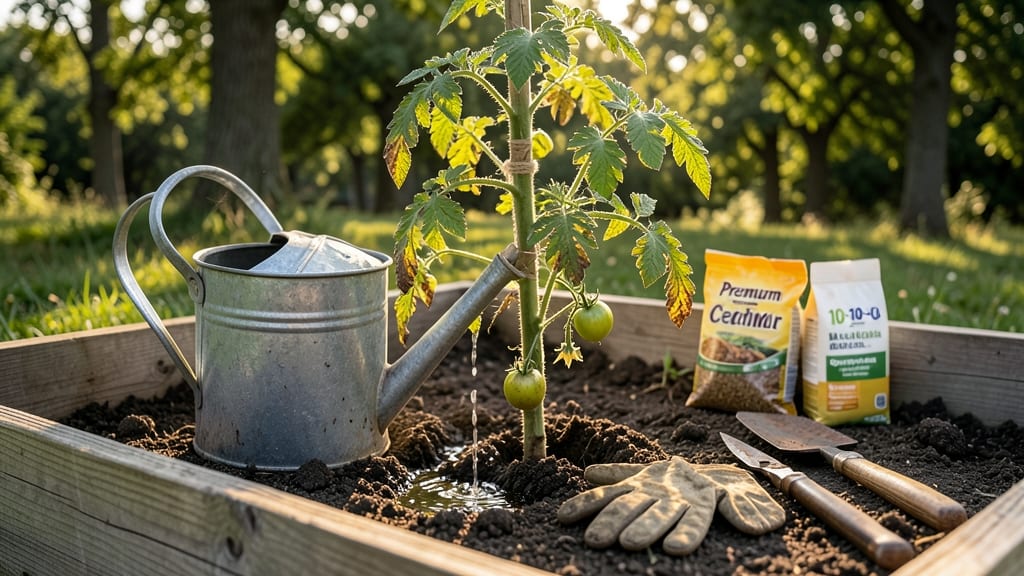
How to bring your tomato plants back to life—even when they look completely dead—is all about speed and precision. 🌱 I’ve nursed back more than a few from wilting, yellowing, or even blackened stems—and the key is acting fast with the right diagnosis. The first 48 hours can make all the difference between a comeback and a compost pile.
Most "dead" tomato plants are actually suffering from one of three issues: underwatering (dry, crispy leaves), overwatering (mushy stems, foul smell), or disease (spots, mold, or sudden collapse).
The fix depends on the problem—sometimes it’s just adjusting water, other times it’s pruning dead growth or even replanting roots in fresh soil. I’ll walk you through each scenario with clear visual cues to spot the difference.
Within two days, you’ll see signs of recovery: new green growth, firmer stems, or even tiny buds pushing through. The secret isn’t magic—it’s matching the plant’s needs to what’s actually wrong. By the end, you’ll have a system to diagnose and revive tomatoes faster than you thought possible.
This works for both container and in-ground plants, and the same principles apply whether you’re dealing with cherry tomatoes or heirlooms. Let’s turn that limp foliage into a thriving harvest again—starting right now.
Root Causes Of Tomato Plant Struggles
Tomato plants may look like they’re wilting or dying, but often, the issue stems from stressors that disrupt their root systems—the unsung heroes of nutrient and water transport. Understanding these triggers is the first step to revival.
Let’s dig into the science behind why your tomato plants might be fighting for their life (and how to fix it).
Tomato roots thrive in well-aerated soil, but soggy conditions suffocate them.
When soil stays waterlogged for too long: - Oxygen deprivation forces roots to starve, turning black or mushy. - Fungal infections (like Phytophthora or Pythium) take hold, blocking water and nutrient uptake. - Root rot spreads rapidly, cutting off the plant’s lifeline.
Why it happens:
- Heavy clay soil or containers without drainage holes trap excess water.
- Overzealous watering (especially on a schedule) without checking soil moisture.
- Cold, damp springs delay evaporation, keeping roots soggy longer.
While too much water drowns roots, too little dehydrates them.
Tomato plants are drought-tolerant but not drought-proof: - Wilting leaves signal roots can’t pull up enough moisture, leading to osmotic stress—cells lose turgor pressure and collapse. - Root tips die back from desiccation, reducing the plant’s ability to absorb water efficiently. - Stunted growth occurs as the plant shifts energy from fruiting to survival mode.
Why it happens:
- Infrequent watering (especially in heatwaves or sandy soil).
- Shallow root systems in young plants or container-grown tomatoes.
- Evaporative loss outpaces absorption, especially in full sun.
Tomatoes are heavy feeders, and deficiencies disrupt root health and growth:
- Nitrogen (N) deficiency → Pale leaves, stunted roots, and poor vigor.
- Phosphorus (P) deficiency → Weak root development, delayed flowering.
- Potassium (K) deficiency → Root tips turn brown and brittle, increasing disease susceptibility.
- Micronutrient imbalances (e.g., magnesium, calcium) → Blossom end rot (a calcium issue) or leaf curl (zinc/manganese deficiency).
Why it happens:
- Soil depletion from repeated planting without amendments.
- Improper fertilization (e.g., too much nitrogen, no potassium).
- pH imbalances (tomatoes prefer 6.0–6.8; acidic or alkaline soil locks out nutrients).
Healthy tomato roots need space to explore and loose soil for oxygen. When they’re restricted:
- Compacted soil crushes roots, reducing water and nutrient flow.
- Root-bound containers force roots to circle and strangle themselves.
- Physical damage (e.g., from tilling or weeding too aggressively) severs root hairs.
Why it happens:
- Walking or working soil when wet compacts it tightly.
- Repotting too late—roots grow in circles before breaking free.
- Heavy machinery or foot traffic near plant bases.
Hidden invaders can sever roots or block nutrient uptake:
- Root-knot nematodes → Gall-like lumps on roots, disrupting water flow.
- Cutworms or slugs → Chew through roots at the soil line.
- Fungal pathogens (e.g., Verticillium wilt) clog xylem vessels, causing wilting even when soil is moist.
Why it happens:
- Poor sanitation (old plant debris harboring pests).
- Overhead watering spreads fungal spores.
- Stressed plants (from other issues) become easy targets.
Tomatoes are warm-season plants—extremes throw their systems off balance:
- Cold snaps → Roots slow down or die if soil temps drop below 50°F (10°C).
- Heat stress → Soil dries out too fast, and roots can’t keep up.
- Sudden wind or hail → Physically damages leaves and roots.
Why it happens:
- Planting too early in spring before last frost.
- Lack of mulch to insulate roots from temperature swings.
- Container tomatoes exposed to drafts or extreme heat.
Revive Your Tomatoes Fast
Don’t toss those wilting tomato plants just yet! With the right moves, you can nurse them back to health in 48 hours or less. Below, we’ve mapped out the most common causes of tomato plant distress and the fastest, easiest fixes to get them thriving again.
Plus, we’ll share pro tips to keep them strong for the long haul.
If your tomato plant’s leaves are yellowing, drooping, or the soil smells sour, it’s likely drowning in water. Roots need air—too much moisture suffocates them.
How to Fix It:
🔥 Step 1: Pause Watering Immediately
- Stop adding water for 24–48 hours to let the soil dry out.
🍳 Step 2: Improve Drainage
- Mix in compost or perlite (1 part to 3 parts soil) to loosen heavy clay soil.
- If potted, add a layer of gravel or coconut coir at the bottom of the pot.
👨🍳 Step 3: Repot If Needed
- If the roots are mushy or the pot has no drainage holes, transplant into a larger container with fresh, well-draining soil.
🥘 Step 4: Water Smartly Moving Forward
- Water only when the top 1–2 inches of soil are dry. Use a moisture meter or stick your finger in—if it’s damp, wait.
💡 Prevention Tips:
- Use raised beds or containers with drainage holes.
- Avoid watering at night—morning or late afternoon is best.
- Mulch with straw to regulate soil moisture.
Crispy edges, wilting even at night, or soil pulling away from the pot edges? Your tomatoes are thirsty—or overheating.
How to Fix It:
🔥 Step 1: Deep Water Right Away
- Soak the soil until water runs out the drainage holes (10–15 minutes).
- Repeat every 2–3 days in extreme heat (90°F+/32°C+).
🍳 Step 2: Shade Cloth to the Rescue
- If temps hit 95°F (35°C)+, drape lightweight shade cloth (30–50%) over the plants for a few hours daily.
👨🍳 Step 3: Mulch Like a Pro
- Spread 2–3 inches of straw or wood chips around the base to lock in moisture and cool roots.
🥘 Step 4: Water at the Base
- Avoid overhead watering (it causes blossom end rot and fungal issues). Use a drip irrigation system or soaker hose.
💡 Prevention Tips:
- Plant tomatoes in morning sun, afternoon shade in scorching climates.
- Group plants together to create a microclimate with shared shade.
- Choose heat-tolerant varieties like ‘Solar Fire’ or ‘Heatmaster.’
Brown spots with yellow halos? Black or white fuzzy growth? Fungal infections spread fast but can be stopped in their tracks.
How to Fix It:
🔥 Step 1: Prune the Problem Areas
- Use sterilized scissors to cut off infected leaves and stems (don’t compost them—throw them away).
🍳 Step 2: Apply a Fungicide Spray
- Mix 1 tbsp baking soda + 1 tsp dish soap + 1 gallon water and spray every 7–10 days.
- For severe cases, use copper fungicide (follow label instructions).
👨🍳 Step 3: Boost Airflow
- Space plants 18–24 inches apart and stake or cage them to improve circulation.
🥘 Step 4: Adjust Watering Habits
- Water early in the day so leaves dry quickly.
- Avoid wetting foliage—aim for the soil.
💡 Prevention Tips:
- Rotate crops yearly—don’t plant tomatoes in the same spot.
- Use resistant varieties like ‘Defiant PhR’ (blight-resistant).
- Add compost tea to strengthen plant immunity.
Sticky leaves, tiny bugs, or webbing? Pests sap energy and stress your plants.
How to Fix It:
🔥 Step 1: Blast Off Pests
- Spray plants with a strong stream of water to knock off bugs.
- Wipe leaves with a soapy water cloth (1 tsp mild soap per gallon of water).
🍳 Step 2: Introduce Beneficial Insects
- Release ladybugs, lacewings, or predatory mites to eat pests naturally.
👨🍳 Step 3: Use Neem Oil (Safe & Effective)
- Mix 1 tbsp neem oil + 1 tsp dish soap + 1 quart water and spray every 5–7 days.
🥘 Step 4: Set Up Traps
- Place yellow sticky traps near plants to catch flying pests.
💡 Prevention Tips:
- Plant companion plants like basil, marigolds, or nasturtiums to repel pests.
- Inspect new plants before bringing them home.
- Avoid over-fertilizing with nitrogen—it attracts soft-bodied pests.
Pale or yellowing leaves, weak stems, or slow growth? Your tomatoes might be hungry—especially for nitrogen, potassium, or magnesium.
How to Fix It:
🔥 Step 1: Test Your Soil
- Use a DIY soil test kit (or send a sample to a local extension office) to identify deficiencies.
🍳 Step 2: Feed the Right Nutrients
- Yellow lower leaves? → Nitrogen deficiency: Sprinkle blood meal or fish emulsion around the base.
- Brown leaf edges? → Potassium deficiency: Use wood ash or banana peel tea.
- Yellow veins? → Magnesium deficiency: Spray Epsom salt solution (1 tbsp per gallon).
👨🍳 Step 3: Improve Soil Health
- Mix in compost or worm castings to replenish organic matter.
- For potted plants, repot into fresh soil if roots are circling.
🥘 Step 4: Water After Fertilizing
- Always water before and after applying fertilizers to prevent root burn.
💡 Prevention Tips:
- Side-dress with compost every 4–6 weeks.
- Use a balanced fertilizer (10-10-10) at planting, then switch to low-nitrogen (5-10-10) when fruiting.
- Avoid over-fertilizing—more isn’t better!
With these fixes, your tomato plants should perk up in 24–48 hours. Keep an eye on them, adjust care as needed, and
Frequently asked questions
How can I tell if my tomato plant is overwatered vs. underwatered?
Check the soil and leaves: Overwatered plants have yellow, mushy leaves that smell sour, while underwatered ones show crispy brown edges and dry, pulling soil. Tap the pot—if it feels heavy, it’s likely overwatered; if light, it’s thirsty.
Can I save a tomato plant with blackened stems?
If only the stem is black but roots are firm, prune above the damage and replant in fresh, dry soil. If roots are mushy, the plant is likely beyond saving—focus on preventing future rot with better drainage.
What’s the fastest way to revive a wilted tomato plant?
Give it deep water (until it drains), trim any dead leaves, and move it to bright indirect light for 24 hours. Avoid fertilizing immediately—let it recover first. Most plants show improvement within 48 hours if roots are still healthy.
Should I remove all the yellow leaves from my tomato plant?
Only prune leaves that are completely yellow or diseased. Healthy yellow leaves still photosynthesize—removing them stresses the plant. Focus on removing only the worst offenders to avoid unnecessary shock.
How do I know if my tomato plant is dying from disease or just stress?
Disease shows spots, mold, or unusual growths (like powdery mildew), while stress causes uniform wilting or yellowing. Check stems for softness (disease) or crispiness (stress). If in doubt, isolate the plant to prevent spread.