
How To
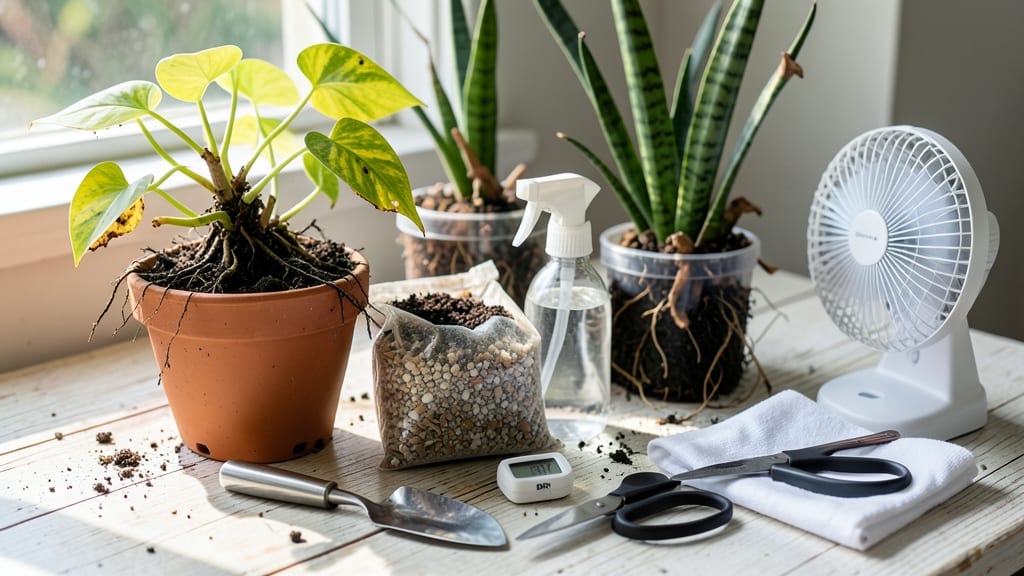
Your soggy soil is suffocating roots faster than you can say "plant hospital," but here’s how to dry out an overwatered plant—and save it before it’s too late. 🌱 The good news? Most overwatered plants can bounce back with the right approach—no compost heap required.
I've nursed back more drowned houseplants than I'd like to admit, and the secret isn't complicated: it's about giving roots space to breathe again.
Start by removing the plant from its pot and gently loosening compacted soil around the roots. If roots smell rotten or look mushy, trim the damaged parts—this is actually helping, not hurting.
Then repot into fresh, well-draining soil mix (think one-third perlite or sand for every two parts potting soil) and choose a container with drainage holes. The goal? Soil that feels like a damp sponge, not a swamp.
Now comes the waiting game. Place your plant in bright, indirect light (no harsh sun yet) and resist the urge to water for at least 3-5 days. Check soil moisture by sticking your finger 1-2 inches deep—if it's still damp, wait longer.
You'll know it's working when new growth appears and leaves perk up (usually within 2-3 weeks for resilient types like pothos or snake plants).
Prevention is where the real magic happens. From now on, water only when the top inch of soil feels dry, and always use pots with drainage. I keep a moisture meter handy—it's the best $10 investment I've made for my plants.
For outdoor crops, raised beds with sandy soil mix work wonders too. Trust me, your plants will thank you with lush, thriving foliage all season long.
📚 In This Guide
- What you need
- Instructions
- Tips and common mistakes
- Wrapping up and next steps
What you need
- ● Well-draining container – A clean, breathable pot (terracotta or fabric) with drainage holes (if repotting).
- ● Fresh potting mix – A lightweight, fast-draining blend (e.g., cactus/succulent mix or perlite-heavy soil).
- ● Spray bottle – For gentle misting (avoid soaking!).
- ● Newspaper or paper towels – To absorb excess moisture from roots.
- ● Pruning shears or scissors – Sterilized, for trimming mushy roots or dead foliage.
- ○ Humidity tray or pebble tray – Optional, for controlled airflow.
- ● Root hormone powder – Speeds up root regrowth (e.g., for cuttings).
- ● Fungicide spray – Prevents mold/bacteria if roots are rotting.
- ● Grow lights or bright window – Helps stressed plants recover faster.
- ● Moisture meter – To track soil dryness (avoid guesswork!).
Step-by-Step instructions for reviving overwatered plants
Here's my go-to method for saving soggy roots and limp leaves—no fancy tools, just patience and smart air-drying.
🌱 Step 1: Stop Watering Immediately and Assess the Damage
First, halt all watering completely. Even a single extra drop can drown already waterlogged roots. Check the soil by pressing your finger about 1 inch deep—if it feels cold, compacted, or smells sour, you're dealing with severe overwatering. Remove the plant from its pot and gently separate the root ball to inspect.
Healthy roots should be firm and white, while overwatered roots turn mushy, brown, or black. If you see mold or a foul odor, that's a sign of root rot setting in. Don't panic yet—many plants can recover if you act fast. Place the plant on a dry towel or paper towels to begin absorbing excess moisture from the roots.
💧 Step 2: Improve Drainage and Air Circulation
Move the plant to a well-ventilated area with bright, indirect light—direct sun can stress already weakened plants. If possible, repot into fresh, dry well-draining potting mix to give roots a clean start. I like to use a container with drainage holes to prevent future waterlogging.
Trim any severely damaged roots with clean, sharp scissors, cutting back to healthy tissue. This might seem drastic, but it helps the plant focus its energy on recovering. Avoid pruning healthy foliage unless leaves are black or mushy—yellowing leaves often recover once roots stabilize.
☀️ Step 3: Air-Dry Roots and Monitor Progress
Let the plant air-dry for 24-48 hours before repotting or returning it to soil. This critical step allows roots to dry out and prevents further rot. Place it on a mesh tray or elevated surface to encourage airflow around the roots. You'll notice the soil surface drying out within hours—that's a good sign.
Check the plant daily. If leaves start to perk up and regain turgor (firmness), you're on the right track. If they continue wilting or turn crispy, the damage may be too severe. Most plants show improvement within 3-5 days of proper air-drying. Avoid watering until the soil feels completely dry to the touch.
⏰ Step 4: Gradually Reintroduce Water and Adjust Care
After 48 hours of air-drying, gently water the plant just enough to moisten the soil—not soak it. Use room-temperature water and let excess drain completely. Wait until the top 2 inches of soil feel dry before watering again. This "soak and dry" cycle mimics natural conditions and prevents future overwatering.
Adjust your watering routine based on the plant's needs. Most houseplants thrive on the "finger test"—water only when the top inch of soil feels dry. Keep an eye on humidity levels too; dry air speeds up moisture loss from leaves. If your home is particularly dry, mist leaves occasionally or use a pebble tray to boost humidity.
🌿 Step 5: Prevent Future Overwatering With Smart Habits
Now that your plant is recovering, focus on long-term prevention. Group plants with similar water needs together and use self-watering pots or moisture meters to avoid guesswork. I like to place a small rock or pebble in the saucer under pots to indicate when watering is needed—when the pebble feels dry, it's time to water.
Rotate your plants occasionally so all sides get even light exposure, which helps prevent uneven growth and water absorption. If you're unsure about your plant's needs, research its native environment—desert plants need less water than tropical varieties. With consistent care, your revived plant should bounce back stronger than ever!
Tips & tricks for reviving overwatered plants
Here's what nobody tells you about saving soggy roots—these tricks make all the difference between a sad, wilted plant and a thriving comeback.
Root Inspection Tip: When you remove your plant from its pot in Step 1, don't just glance at the roots—give them a gentle squeeze. Healthy roots should spring back slightly when pressed, while damaged ones will feel mushy or collapse. This quick test helps you determine how much pruning you'll need to do in Step 2. Confession: I skipped this step for years and wondered why some plants never fully recovered!
Airflow Strategy: For the 24-48 hour air-drying period in Step 3, place your plant near an open window with a gentle breeze or use a small fan on low setting about 12 inches away. This creates that crucial airflow without stressing the plant. I've found that plants in still air often take the full 48 hours, while those with gentle airflow can show improvement by 36 hours. Just avoid direct drafts that could dry out leaves too quickly.
Monitoring Progress: During the 3-5 day recovery window mentioned in Step 3, check your plant's progress by gently tugging on a leaf. If it springs back when released, the plant is retaining moisture properly. If it feels limp or crunchy, you may need to extend the air-drying by another 12-24 hours. This simple test helps you avoid overcorrecting—something I learned after accidentally drying out a previously overwatered fern completely.
Pro Tips for Dry Out Overwatered Plant
- Here's what nobody tells you about saving soggy roots—these tricks make all the difference between a sad, wilted plant and a thriving comeback.
- Root Inspection Tip: When you remove your plant from its pot in Step 1, don't just glance at the roots—give them a gentle squeeze.
- Airflow Strategy: For the 24-48 hour air-drying period in Step 3, place your plant near an open window with a gentle breeze or use a small fan on low setting about 12 inches away.
Frequently asked questions
Got questions about drying out an overwatered plant? You’re not alone!
Here are answers to the most common concerns—plus quick fixes to save your green friend.
How long does it take to dry out an overwatered plant?
Most plants recover within 3–7 days if you stop watering, improve drainage, and provide bright (but indirect) light. Monitor soil moisture daily—if it stays soggy past 5 days, repot into fresh, well-draining mix. Patience is key!
Can I speed up the drying process?
Yes! Place the plant in a well-ventilated spot (like a sunny windowsill or under a fan on low) to evaporate excess moisture. For severe cases, gently remove the plant from its pot, wrap the roots in a paper towel to absorb water, then repot with dry soil. Avoid direct heat sources—like radiators—which can stress the plant further.
What if my plant’s leaves are mushy or black?
Mushy or black leaves signal root rot, which requires immediate action. Trim affected leaves with sterilized scissors, repot in fresh soil, and treat with a fungicide (like neem oil or hydrogen peroxide solution). If roots smell foul or are brown/slimy, prune them back to healthy tissue before repotting.
Should I fertilize my plant while drying it out?
No way!
Fertilizer adds salt and nutrients that can worsen stress on already soggy roots. Wait until the plant shows new growth (usually 2–4 weeks) and the soil is completely dry before applying a diluted fertilizer (half the recommended strength). Overfeeding now = more damage.
How do I prevent overwatering in the future?
Use the finger test: Stick your index finger 1–2 inches into the soil—if it’s damp, wait. Upgrade pots with drainage holes, use a moisture meter for precision, and choose fast-draining soil mixes (like cactus or succulent blends). Less is more! Most houseplants thrive on watering every 1–2 weeks.
Wrapping up and next steps
Reviving an overwatered plant isn’t just possible—it’s a rewarding challenge that strengthens your green thumb!
By following these science-backed steps, you’ve given your plant the best chance to bounce back with healthier roots and lush foliage. Remember, patience and consistency are key—your plant will thank you with vibrant new growth.
Now that you’ve mastered the art of drying out overwatered plants, why not level up your care routine? Next, explore how to adjust your watering schedule or dive into signs of plant recovery to keep your garden thriving. Happy growing! 🌱✨