
Orchid Care
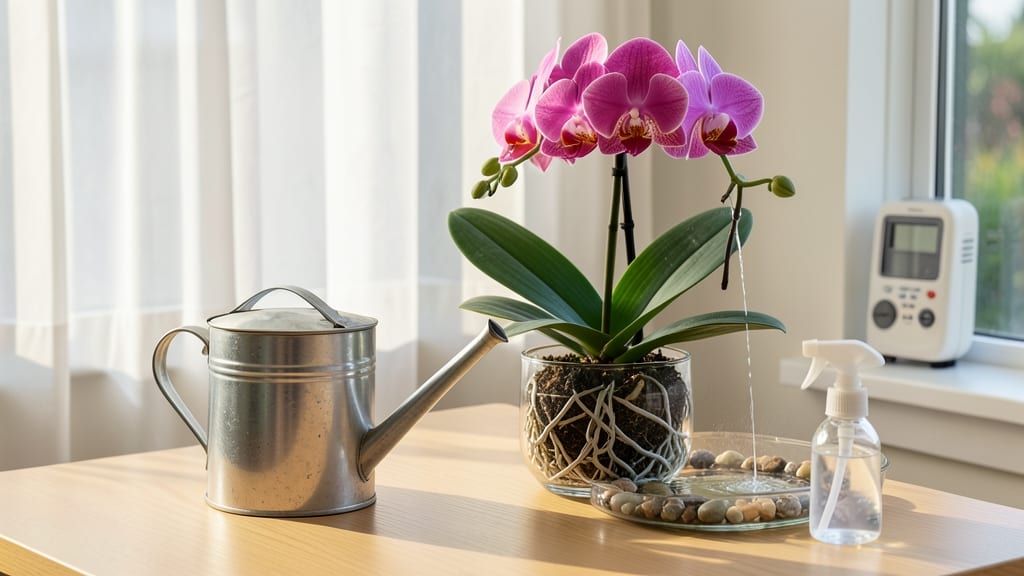
Caring for orchids in an office doesn’t require a greenhouse—just the right balance of light, water, and patience. 🌱 I’ve kept orchids thriving in fluorescent-lit offices for years, and the secret is simpler than you’d think: they don’t need bright sun, just consistent conditions and a little attention.
Start with the right pot—one with drainage holes—and use a chunky bark mix to prevent soggy roots. Water only when the top inch feels dry, and avoid letting water pool in the saucer.
A simple spray bottle keeps humidity up without fancy equipment, while a grow light (if needed) ensures those signature blooms keep coming.
You’ll notice new growth within weeks if you stick to this routine. The leaves stay plump, the roots stay healthy, and those stunning blooms last longer than you’d expect in an office setting. Even with minimal light, orchids reward consistency with vibrant, long-lasting flowers.
Fair warning: orchids hate sudden changes, so keep them away from drafts and heating vents. Once you master the basics, you’ll find they’re one of the most rewarding low-maintenance plants for any workspace. Let’s get those blooms thriving!
📚 In This Guide
- What you need
- Instructions
- Tips and common mistakes
- Wrapping up and next steps
What you need
- ● Orchid pot: 4–6 inches in diameter with drainage holes (plastic or clear plastic for visibility). Pro tip: 💡 Avoid ceramic or metal—orchids hate soggy roots!
- ● Orchid potting mix: 1 bag of bark-based mix (specifically labeled for orchids, not regular soil). Look for brands like Sun Bulb or Better-Gro.
- ● Watering can or spray bottle: A gentle spray nozzle (to avoid disturbing roots) or a can with a narrow spout for precision.
- ○ Humidity tray or pebble tray: A shallow tray filled with pebbles or gravel (1–2 inches deep) to sit under the pot. Optional: Add a humidifier (50–70% humidity is ideal).
- ● Fertilizer: 1 bottle of balanced orchid fertilizer (e.g., Miracle-Gro Orchid Food) or a diluted seaweed-based fertilizer.
- ● Pruning shears or clean scissors: Sterilized (rubbing alcohol wipe) for trimming spent spikes or yellow leaves.
- ○ Grow lights (optional but helpful): A full-spectrum LED grow light (12–15 watts, 6–8 inches above the plant) for offices with less than 1,000 lux of light.
- ● Patience: Orchids are slow growers—don’t rush them! 🌱
- ● Consistency: Stick to a weekly watering schedule (adjust based on humidity/dryness).
- ● Space: A spot near a north- or east-facing window (or under grow lights) with indirect light.
- ● Temperature control: Keep the office between 60–80°F (15–27°C)—avoid drafts or heating vents.
Step-by-Step instructions for caring for orchids in an office
Here's how to keep your orchid thriving with just a desk lamp and a little routine.
💧 Step 1: Water Only When the Roots Need It
Orchids hate soggy roots, so wait until the potting mix feels dry to the touch—about once every 7-10 days in office conditions. Stick your finger 1 inch into the pot; if it's damp, wait another day. I use room-temperature water (never cold) and pour until it drains freely from the bottom. Let excess water sit in the saucer for 10 minutes, then empty it—stagnant water breeds rot.
Here's the thing—orchids store water in their thick, silvery roots. If they're green, they're happy. If they turn brown or mushy, you're overwatering. A quick check: Gently remove the plant from its pot. Healthy roots cling to the mix; slimy or hollow roots mean trouble.
☀️ Step 2: Place Near Indirect, Bright Light
Your orchid needs moderate to bright indirect light—think of it like a good office lamp, not direct sunlight. A north- or east-facing window is ideal, or place it 12-18 inches from a fluorescent bulb if natural light is scarce. Too little light? Leaves turn dark green and blooms fade fast. Too much? Yellow patches or crispy leaf edges appear.
I rotate my orchid quarter-turn weekly so all sides get even light. Watch for new growth spikes—these tell me the light is just right. If the leaves stretch toward the window, it's begging for more brightness. A simple grow light on a timer works wonders in dim offices.
✂️ Step 3: Prune Dead Blooms and Yellow Leaves
When flowers fade, cut the stem 1 inch above the last node (that little bump where a leaf or spike grows). This redirects energy to new blooms instead of wasted seed production. Use clean, sharp scissors—dull blades crush stems and invite disease. I sterilize mine with rubbing alcohol between cuts.
For yellow leaves, wait until they're completely brown and crispy before removing. Snip at the base with the same clean scissors. Never pull leaves—you'll tear the plant. This keeps your orchid looking tidy and focused on growing fresh, vibrant foliage.
🪴 Step 4: Fertilize Lightly During Growing Season
Feed your orchid once a month from spring to fall with a balanced, water-soluble fertilizer (like 20-20-20) at half-strength. I mix it in a spray bottle for even distribution. Skip fertilizing in winter—your orchid rests then. Overfeeding causes salty buildup (white crust on the mix), which burns roots.
Here's a trick: If you forget to fertilize, don't panic. Orchids are forgiving. Just flush the pot by soaking it in room-temperature water for 10 minutes, then draining. This washes away excess salts and keeps roots healthy. I do this every 3 months as a preventative measure.
⏰ Step 5: Maintain Humidity and Airflow
Office air is often dry, but orchids love 40-70% humidity. Place the pot on a pebble tray filled with water and pebbles (not touching the bottom) to boost moisture. Grouping plants together also helps. A small humidifier near the desk works wonders if you're sensitive to dryness.
Airflow matters too—gentle movement prevents fungal issues. Open a window daily or use a small fan on low near the plant for 10 minutes. You'll see stronger stems and fewer pests. Just avoid drafts from AC vents or heaters; orchids hate sudden temperature swings.
Tips & tricks for perfect office orchid care
Keeping orchids thriving in office conditions takes just a few smart adjustments—here's what I've learned after watching dozens of plants flourish (and a few struggle).
Watering Wisdom: The 7-10 day watering schedule in Step 1 is perfect, but here's the thing: I've found that office humidity levels can make that range shrink to 5-7 days during winter heating season. Always check that bottom inch of potting mix—if it feels damp, wait another day. And here's a trick I picked up: Use a wooden skewer instead of your finger to test moisture—it's more precise and keeps your hands cleaner. The 10-minute drainage rule is non-negotiable though; that's when I empty the saucer completely to prevent root rot.
Light Level Hacks: For Step 2, that 12-18 inch fluorescent bulb guideline works great, but I've noticed LED grow lights on timers actually give better results for office setups. They're energy-efficient and provide consistent light without the heat output. If your orchid's leaves start stretching toward the light (called etiolation), it's begging for more brightness—move it closer or add a supplementary light. And that weekly quarter-turn rotation? It's not just about even light—it helps prevent the plant from growing lopsided toward the window.
Pruning Precision: When you're cutting those spent blooms in Step 3, I've found that sterilizing your scissors with rubbing alcohol between cuts isn't just about hygiene—it prevents cross-contamination between different plants. For yellow leaves, I wait until they're completely crispy before removing, but I've started using a small paintbrush to gently sweep away any dead leaf debris that falls. This keeps the base of the plant clean and prevents fungal spores from settling.
Fertilizer Strategy: The monthly half-strength feeding in Step 4 is spot-on, but I've developed a simple system to remember: Fertilize on the same day as your watering day (I mark it on my calendar). The 3-month flush routine is brilliant for preventing salt buildup—just be sure to use room-temperature water for that 10-minute soak. I've also started adding a few drops of liquid seaweed fertilizer to my monthly mix during summer months when my orchids are really pushing new growth.
Pro Tips for Care For An Orchid In An Office
- Keeping orchids thriving in office conditions takes just a few smart adjustments—here's what I've learned after watching dozens of plants flourish (and a few struggle).
- Watering Wisdom: The 7-10 day watering schedule in Step 1 is perfect, but here's the thing: I've found that office humidity levels can make that range shrink to 5-7 days during winter heating season.
- Light Level Hacks: For Step 2, that 12-18 inch fluorescent bulb guideline works great, but I've noticed LED grow lights on timers actually give better results for office setups.
Frequently asked questions
Got questions about keeping your orchid happy in an office setting? Here are some common concerns—and their easy solutions!
How often should I water my office orchid?
Water your orchid only when the top inch of the potting mix feels dry—usually every 7–10 days. Overwatering is the #1 killer! Use room-temperature water and avoid soggy roots. Pro tip: Stick your finger in the mix to check moisture levels before watering.
Can orchids survive in low-light offices?
Most orchids thrive in bright, indirect light (like near a north- or east-facing window). If your office is dim, opt for Phalaenopsis (moth orchids)—they’re the most low-light tolerant. Supplement with a grow light if needed, but avoid direct sunlight, which burns leaves.
Why aren’t my orchid flowers lasting long?
Office environments (low humidity, dry air) can cause blooms to drop faster. Mist leaves lightly 2–3 times a week or place a humidifier nearby. Avoid drafts from vents or AC, and remove spent blooms to encourage new growth. Most orchids bloom for 2–3 months with proper care.
What’s the ideal temperature for an office orchid?
Keep temps between 60–80°F (15–27°C) during the day and 55–65°F (13–18°C) at night. Avoid sudden temperature swings (like near doors or windows). If your office gets too cold, move the orchid away from outer walls or use a heating mat in winter.
Can I repot my orchid in the office?
Yes! Repot every 1–2 years or when roots outgrow the pot. Use a well-draining orchid mix (bark, sphagnum moss, or coconut husk). Choose a pot with drainage holes and avoid plastic (it traps moisture). Do this in spring when the plant is actively growing.
What if my orchid’s leaves turn yellow?
Yellow leaves usually mean overwatering or root rot. Let the mix dry out completely between waterings and check for mushy, black roots. Trim affected roots with sterilized scissors and repot in fresh mix. Prevent future issues by using a pot with drainage and avoiding saucers that trap water.
Wrapping up and next steps
Caring for an orchid in your office isn’t just about survival—it’s about creating a little oasis of beauty that thrives even with limited light! 🌿 With the right balance of water, air circulation, and patience, your orchid can reward you with stunning blooms for months.
Remember, small adjustments make a big difference, so don’t hesitate to tweak your routine based on what works best for your plant.
Now that you’re armed with the know-how, take the next step: Start with one happy, healthy orchid, and soon your workspace will be the envy of the office! 🌟 Happy growing!