
Flowers
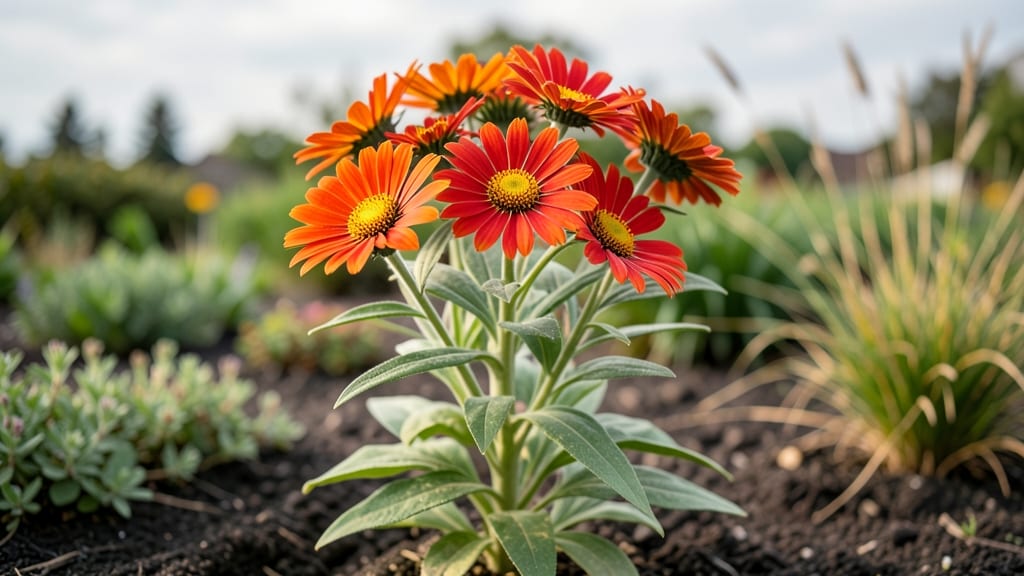
How to care for gaillardia flowers is easier than you think—these fiery blooms practically take care of themselves. 🌻 I've grown these sun-loving flowers for years, and they've never failed to deliver vibrant reds, yellows, and oranges that last from summer through fall—even in my hot, dry climate. The secret lies in their ability to thrive with minimal fuss, making them perfect for busy gardeners or anyone tired of high-maintenance flowers.
These drought-tolerant beauties love full sun (at least 6-8 hours daily) and well-draining soil—sandy or loamy works best. Overwatering is their only real enemy, so let the soil dry between waterings.
A light mulch helps retain moisture while keeping roots cool. Once established, they'll spread on their own, creating a cheerful ground cover that attracts pollinators like butterflies and bees.
Pruning is truly minimal: just snip back faded blooms to encourage more flowers. In late winter, you can cut back dead foliage to make room for fresh growth.
The result? A nonstop bloom show that requires almost no upkeep. Even my black thumb can't kill these—once planted, they just keep coming back year after year.
They handle heat, drought, and poor soil like champions, making them ideal for borders, containers, or wildflower gardens. If you want color without the work, gaillardia delivers—just plant, water occasionally, and enjoy the show. No fancy tricks required.
📚 In This Guide
- What you need
- Instructions
- Tips and common mistakes
- Wrapping up and next steps
What you need
- ● Well-draining potting mix or garden soil (10-15 lbs per pot or garden bed) – Gaillardias hate soggy roots!
- ● Organic compost or fertilizer (5-10-5 or 10-10-10 NPK ratio, 1 lb per 10 sq ft) – Boosts blooms without overfeeding.
- ● Pruning shears or clean scissors – Sharp blades prevent tearing stems.
- ○ Gloves (optional but recommended) – Protects hands from thorns and dirt.
- ● Watering can or hose with a gentle spray nozzle – Avoids damaging delicate petals.
- ● Mulch (straw, pine bark, or shredded leaves) (2-3 inches thick) – Retains moisture and regulates soil temp.
- ● Slow-release fertilizer granules – Reduces frequent feeding.
- ● Deadheading shears (small, precise) – Speeds up post-bloom cleanup.
- ● Drip irrigation system – Automates watering for busy gardeners.
- ● Plant supports (stakes or cages) – Useful if stems flop in heavy rain.
- ● Neem oil or insecticidal soap – For pest control (aphids, spider mites).
Step-by-step instructions for growing and maintaining gaillardia
Gaillardia's fiery blooms reward you with bold color when you nail just a few key care habits.
🌱 Step 1: Plant in Full Sun with Well-Draining Soil
Gaillardia demands 6-8 hours of direct sunlight daily—any less and blooms will fade to pale shadows. I always plant mine in raised beds or mounded soil to prevent water pooling, which their roots despise. The ideal spot combines southern exposure with slightly rocky or sandy soil that drains quickly.
Before planting, work in a handful of compost or aged manure to enrich the soil without making it too dense. Gaillardia tolerates poor soil better than most perennials, but it still rewards you with bigger blooms when fed lightly. Press the root ball gently when transplanting to eliminate air pockets, but don't compact the surrounding soil—roots need room to spread.
☀️ Step 2: Water Deeply but Infrequently
Once established, gaillardia thrives on neglect—water only when the top 2 inches of soil feel completely dry. I check by sticking my finger in; if it comes out clean, it's time to water. Overwatering causes root rot, while underwatering makes blooms wilt by midday. The key is deep soakings: when you water, saturate the soil 6 inches down to encourage strong root growth.
Morning watering prevents fungal issues that evening moisture invites. You'll notice healthy plants have sturdy stems that don't flop, while underwatered ones develop crispy leaf edges. Mulch with 1-2 inches of gravel or straw to preserve moisture while keeping roots cool—gaillardia hates soggy feet but appreciates consistent dampness.
✂️ Step 3: Deadhead Regularly for Continuous Blooms
Here's where gaillardia shows its true magic: with minimal effort. Snip off spent blooms just above the next set of leaves using clean pruners or your fingers. I do this every 2-3 days during peak bloom season (late spring through fall) to redirect energy into new flowers instead of seed production.
Don't cut into green stems—always leave at least ½ inch of healthy growth. You'll see fresh buds forming within 5-7 days of deadheading. This single habit extends your blooming season by 6-8 weeks compared to neglected plants. In late fall, let some flowers go to seed to attract pollinators and ensure next year's volunteers.
🌿 Step 4: Divide Overcrowded Clumps Every 3-4 Years
Gaillardia forms dense clumps that eventually need dividing to maintain vigor. I wait until early spring when new growth appears but before leaves unfurl completely. Dig up the entire plant and separate it into 3-4 inch sections, ensuring each piece has both roots and shoots.
Replant divisions immediately in prepared soil with compost mixed in. The first year after dividing, you'll sacrifice some blooms as the plant establishes, but subsequent years produce even more vigorous growth. This is also your chance to share plants—gaillardia divides easily and makes excellent gifts for fellow gardeners.
⏰ Step 5: Prepare for Winter Dormancy
Gaillardia handles cold beautifully but needs protection in harsh winters. After the first frost blackens foliage, cut back stems to 2 inches above ground level. This prevents disease buildup in dead stems while allowing the crown to overwinter safely.
Mulch heavily with 3-4 inches of straw or leaves to insulate roots from freeze-thaw cycles. In zones with below 0°F winters, add a layer of burlap or frost cloth over the crown for extra protection. You'll see fresh green shoots emerging in early spring—proof that gaillardia's tough constitution makes it a perennial workhorse.
Tips & tricks for perfect gaillardia care
These simple strategies will help you coax vibrant, long-lasting blooms from your gaillardia with minimal effort.
Sunlight Strategy: Gaillardia's love affair with sunlight isn't just about quantity—it's about quality. While the instructions call for 6-8 hours of direct sun, I've found that morning sun paired with afternoon shade in extreme heat (above 95°F) actually preserves bloom intensity. Watch for leaves turning yellow in peak summer heat—that's your cue to provide light afternoon shade using sheer fabric or a lattice structure. The fiery colors will thank you!
Watering Wisdom: The "top 2 inches dry" rule is perfect, but here's the secret: water at the base rather than overhead. This prevents fungal spores from splashing onto leaves, which is especially important in humid climates. I use a soaker hose for the deep 6-inch watering—the slow, steady approach prevents surface evaporation and keeps roots consistently moist without soggy soil. Pro tip: water in the early morning to give foliage time to dry before evening humidity sets in.
Deadheading Technique: That 2-3 day deadheading schedule works wonders, but timing matters more than you'd think. I've noticed the absolute best results come from deadheading right after the first blooms fade to yellow—this is when the plant is ready to redirect energy. Use clean, sharp pruners for a clean cut just above the next leaf set, and always sterilize your tools between cuts to prevent disease spread. The 5-7 day window for new buds to form is actually 3-5 days in hotter climates, so adjust your schedule accordingly.
Winter Protection Hack: For those below 0°F winters, I've developed a two-layer protection system that works beautifully. After cutting back to 2 inches, I first apply a 2-inch layer of straw mulch, then place a dome-shaped chicken wire frame over the crown before adding the final 2-inch straw layer. This creates an insulated air pocket that prevents freeze-thaw damage while allowing rain to drain through. The wire keeps critters from tunneling in during winter dormancy.
Pro Tips for Care For Gaillardia Flowers
- These simple strategies will help you coax vibrant, long-lasting blooms from your gaillardia with minimal effort.
- Sunlight Strategy: Gaillardia's love affair with sunlight isn't just about quantity—it's about quality.
- Watering Wisdom: The "top 2 inches dry" rule is perfect, but here's the secret: water at the base rather than overhead.
Frequently asked questions
Got questions about keeping your gaillardia blooms happy and healthy?
Here are some of the most common concerns—plus straightforward answers to help you troubleshoot and succeed!
Can gaillardia survive in full sun all day?
Gaillardia loves full sun (6+ hours daily) and thrives in it. In fact, too much shade can lead to fewer blooms. Just ensure well-draining soil to prevent root rot in hot climates. If your area has scorching summers, a light afternoon shade can help, but morning sun is ideal.
How often should I deadhead gaillardia flowers?
Deadheading (removing spent blooms) encourages more flowers! Snip off faded blooms right below the wilting flower head every 1–2 weeks during peak bloom (spring to fall). Skip this step if you’re growing gaillardia for seed production—just let the seed heads dry naturally for a rustic look.
Why are my gaillardia leaves turning yellow?
Yellow leaves usually signal overwatering or poor drainage. Gaillardia prefers dry soil—water only when the top 1–2 inches of soil feel dry. If your plant is in a pot, ensure it has drainage holes. For in-ground plants, amend heavy clay soil with compost to improve airflow.
Are gaillardia flowers deer-resistant?
While gaillardia is moderately deer-resistant, hungry deer may still nibble, especially in drought or late winter. To deter them, mix in deer-resistant companions like lantana or salvia, or use repellent sprays. A quick fence or mulch barrier can also help protect young plants.
Can I grow gaillardia from seed, or should I buy transplants?
Both work! Seeds are cheap and easy—sow directly in spring or fall after the last frost. Transplants give you instant blooms but may cost more. For best results, start seeds indoors 6–8 weeks before your last frost date. Gaillardia self-seeds readily, so you’ll likely have volunteers popping up year after year!
Wrapping up and next steps
Caring for gaillardia flowers is a rewarding experience—these vibrant blooms thrive with just a little sunlight, well-draining soil, and occasional deadheading! 🌸 With minimal effort, you’ll enjoy their cheerful colors all season long.
Now that you’re armed with the right tips, why not expand your garden or share your newfound knowledge with fellow plant lovers?
Ready to level up your gardening game? Try experimenting with companion plants or propagating gaillardia for even more stunning displays! 🌱