
How To
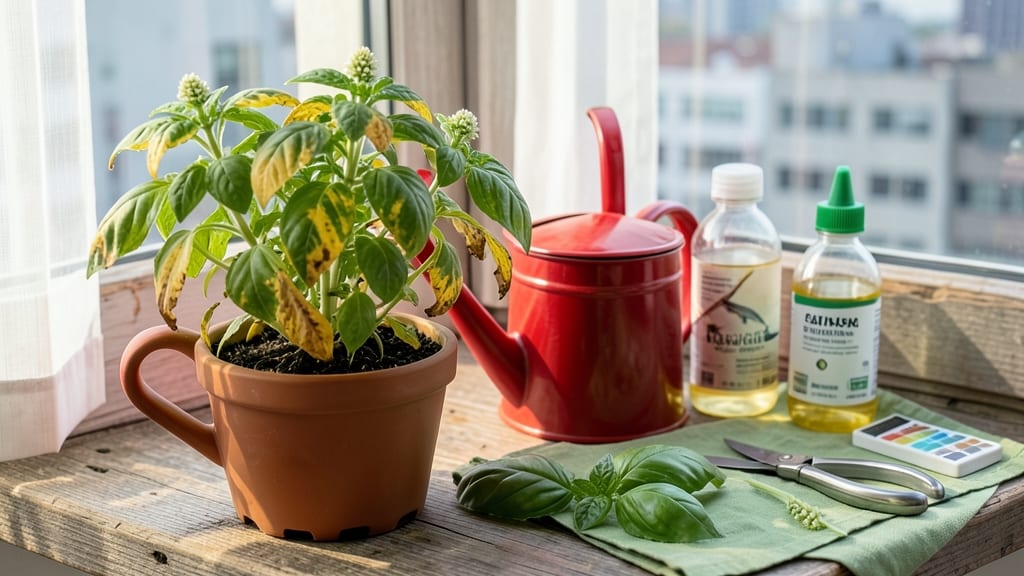
How to fix yellow basil leaves—your kitchen herb factory is calling for help. 🌿 I’ve revived dozens of plants with this trick—no fancy tools, just boiling water and a sharp eye for the real problem. Start by checking the soil: if it’s soggy, overwatering’s the culprit. Yellow leaves with crisp edges? That’s too much salt or chlorine. But if the yellowing’s paired with wilting, pests or disease might be lurking. The boiling water trick works best for fungal issues—just pour a small amount around the base to sterilize the soil without harming the roots. Once you’ve identified the issue, act fast. Prune the yellow leaves immediately to stop the spread, then adjust your care routine. Basil hates wet feet—let the top inch of soil dry out between waterings. Within a week, you’ll see fresh green growth, and your kitchen will smell like summer again.
📚 In This Guide
- What you need
- Instructions
- Tips and common mistakes
- Wrapping up and next steps
What you need
- ● Yellowing basil plant – Any variety (Genovese, Thai, or purple basil all work!)
- ● Boiling water – About 1–2 cups (enough to generously cover the roots)
- ● Large pot or sink – Deep enough to submerge the basil’s roots (or a bucket)
- ● Pruning shears or clean scissors – To trim damaged leaves (sterilize with rubbing alcohol first!)
- ● Well-draining potting mix – 1–2 gallons, fresh or repurposed (avoid soggy soil!)
- ● Clean container or pot – Slightly larger than the current one (drainage holes are a must!)
- ● Spray bottle with water – For misting after the treatment
- ○ Hydrogen peroxide (3%) – 1 tbsp per gallon of water (optional root soak for extra sterilization)
- ● Balanced liquid fertilizer – Diluted to half-strength (e.g., 10-10-10 or fish emulsion)
- ● Grow lights or sunny windowsill – If your basil lacks natural light post-revival
- ● Mulch (like coffee grounds or straw) – To retain moisture and deter pests
Tips & tricks for reviving yellow basil leaves
Here's what nobody tells you about this shocking (literally!) method for bringing your basil back to life.
Diagnose First: Before you pour that boiling water, take 2 minutes to check the roots and undersides of leaves. If you see tiny webs or bugs, treat for pests first—this method won't work if spider mites are sucking the life out of your plant. I've wasted perfectly good basil on overwatered plants with hidden pests, so don't skip this step!
Timing Secret: The 24-hour pre-watering is non-negotiable—it primes the roots to handle the shock. If you're short on time, do it the morning before you plan to treat. Pro tip: Set a reminder on your phone for the 5-minute steam time—it goes by faster than you think, and you don't want to miss that window.
Light Management: That 48-hour no-direct-sun rule is crucial for recovery. Think of it like helping a sunburned human—you wouldn't put them in direct sunlight right after treatment. Use a grow light if you don't have a spot with bright, indirect natural light. I've seen basil plants actually burn during this recovery phase when people ignore this step.
Recovery Check: After those 3-5 days when new growth should appear, do the "finger test" again. Gently press a new leaf—it should feel firm but still slightly springy. If it's mushy or stays flat when you release, the plant needs more time or a different approach. Don't give up too soon!
Pro Tips for Fix Yellow Basil Leaves
- Here's what nobody tells you about this shocking (literally!) method for bringing your basil back to life.
- Diagnose First: Before you pour that boiling water, take 2 minutes to check the roots and undersides of leaves.
- Timing Secret: The 24-hour pre-watering is non-negotiable—it primes the roots to handle the shock.
Frequently asked questions
Got questions about reviving your yellowing basil? You're not alone!
Here are some of the most common concerns—and their quick fixes—to get your herbs back to their vibrant green glory.
Why is my basil turning yellow in the first place?
Yellow basil leaves are usually a sign of overwatering, poor drainage, or nutrient deficiencies. Too much water can drown roots, while lack of nutrients (like nitrogen) or sunlight weakens the plant. Even pests or diseases can cause discoloration. Start by checking soil moisture and light exposure—your basil might just need a little TLC!
How long does it take for basil to recover after the boiling water trick?
Most basil plants show improvement within 3–7 days after treatment, but full recovery can take up to 2–3 weeks, depending on the severity. Keep an eye on moisture levels and avoid stressing the plant further. If yellowing persists, it might need repotting or a nutrient boost (like diluted compost tea).
Can I still use yellow basil leaves in cooking?
Yes! While bright green leaves are ideal, yellowing basil still packs flavor—just use it in dishes where color isn’t critical, like pesto, soups, or marinades. Avoid recipes where presentation matters (e.g., garnishes). If the leaves are mushy or wilted, compost them instead to prevent spreading issues.
What if my basil keeps turning yellow even after fixing drainage?
If yellowing returns, try these troubleshooting steps:
- Check for pests (aphids, spider mites) under leaves—treat with neem oil if needed.
- Test soil pH (ideal: 6.0–7.0); amend with lime or sulfur if off.
- Rotate pots to ensure even light exposure (basil loves 6+ hours of sun/day).
- Fertilize lightly with a balanced liquid fertilizer (e.g., 10-10-10) every 2–3 weeks.
Can I save basil that’s already turning brown or crispy?
If leaves are crispy, black, or mushy, the damage is often irreversible—but don’t toss the whole plant! Trim the affected parts and focus on reviving the healthy stems. For severe cases, propagate cuttings in water or fresh soil. Prevention tip: Monitor soil moisture like a hawk—basil hates soggy roots!
Wrapping up and next steps
Yellowing basil leaves don’t mean your herb garden is doomed—with the right care, you can bring your plants back to life! 🌱 Whether it’s overwatering, pests, or nutrient deficiencies, the boiling water trick and proper maintenance can work wonders. Stay patient and consistent, and soon you’ll be harvesting fresh, vibrant basil for your favorite dishes.
Now that you’re armed with these tips, put your knowledge to work! Start with one plant, monitor its progress, and soon you’ll be a basil revival pro. Happy gardening! 🌿